

The Key Date: When to Vote
The 2026 Michigan general election will be held on Tuesday, November 3, 2026. Polls across the state will be open from 7 a.m. to 8 p.m. The statewide primary, which determined the major party nominees for these races, was held on August 4, 2026. Voters also have the option to vote early in person at designated sites, a period which begins on October 24, or by requesting an absentee ballot. This election will decide contests at every level of government, from local offices to the top of the state ticket.
The Governor's Race: A New Leader for Michigan
With Governor Gretchen Whitmer term-limited, the race to lead the state is open. The Democratic nominee is Jocelyn Benson, who has served as Michigan's Secretary of State since 2018. Benson is campaigning on her record of modernizing state services
and protecting individual rights, while promising to lower costs for families. The Republican nominee is John James, who currently represents Michigan's 10th Congressional District. James, a U.S. Army veteran, is focusing his campaign on economic issues, criticizing the state's current leadership on high costs and arguing for a new direction.
A Pivotal U.S. Senate Seat
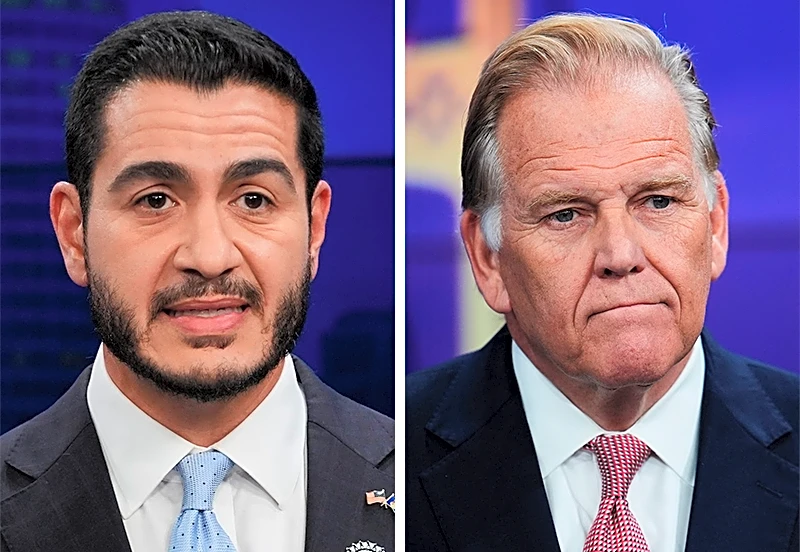
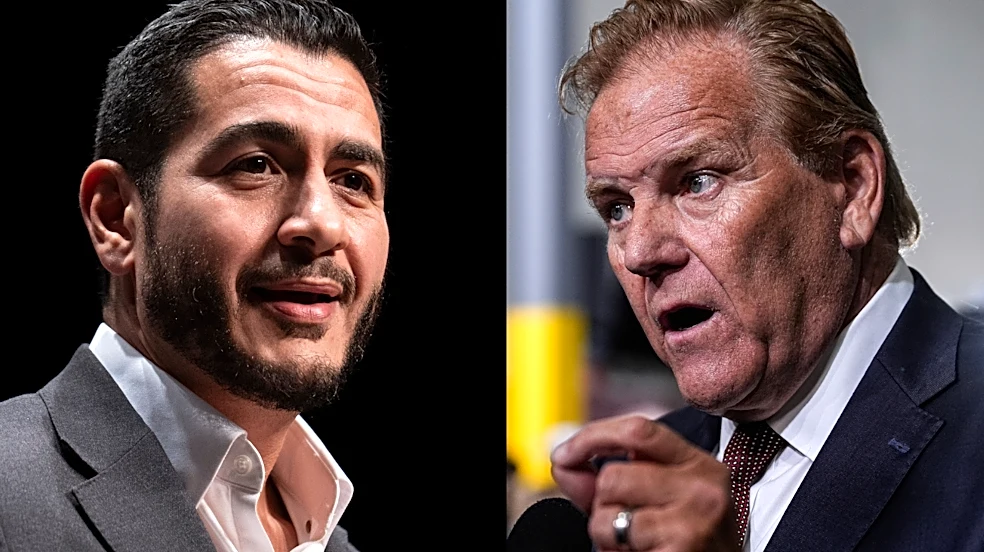
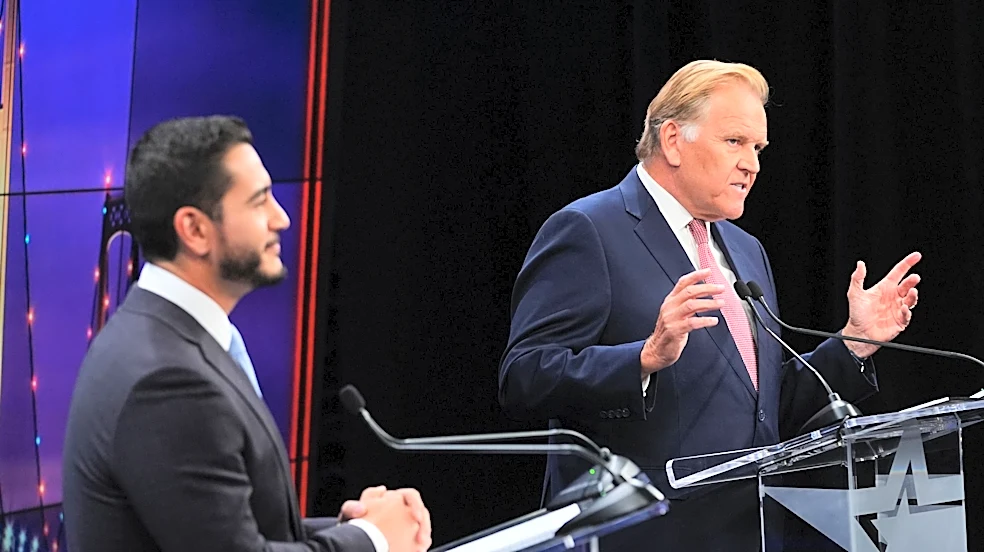
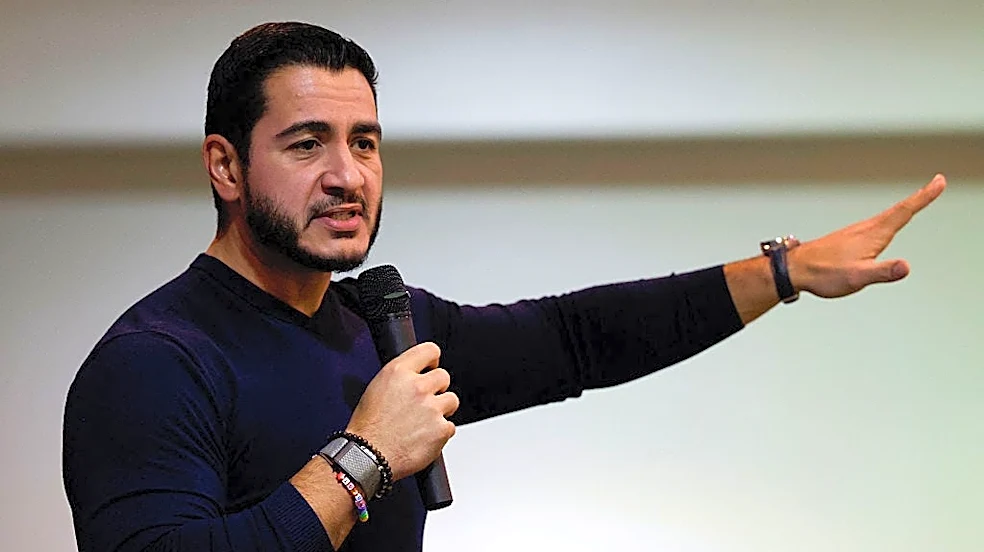
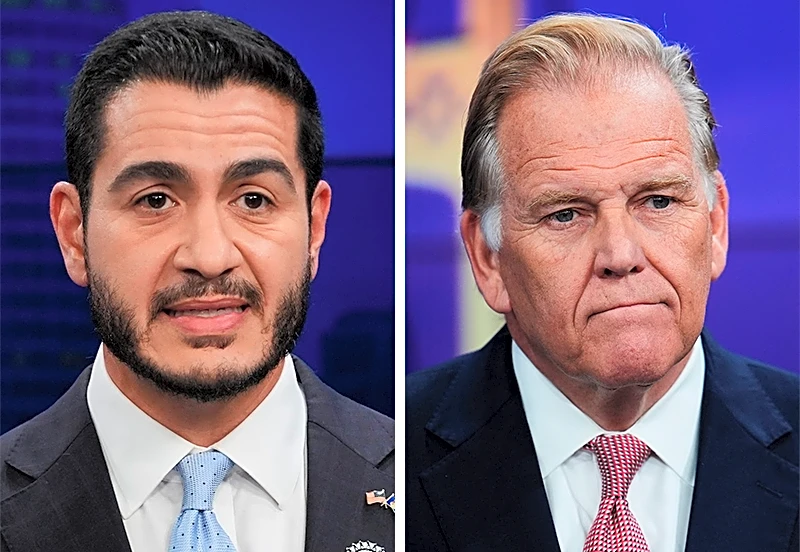
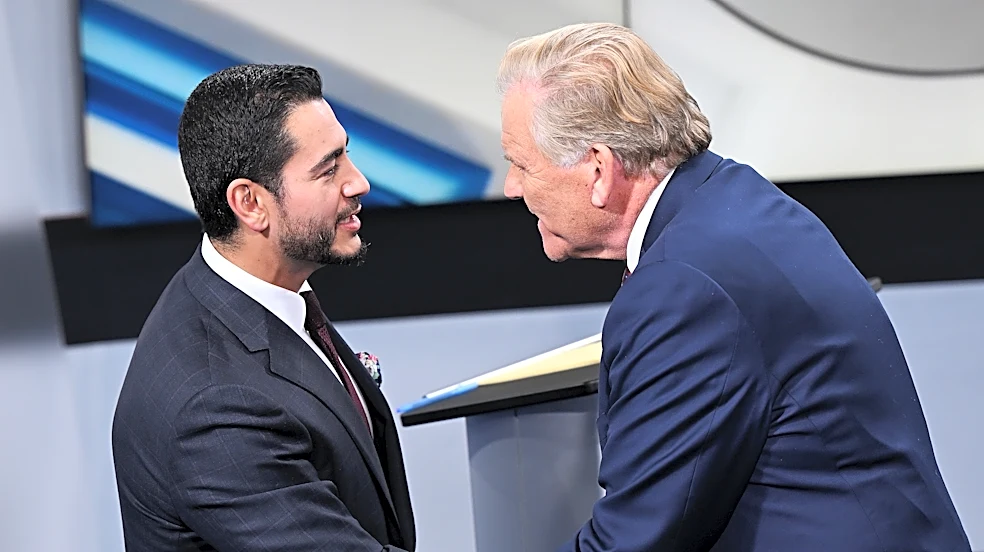
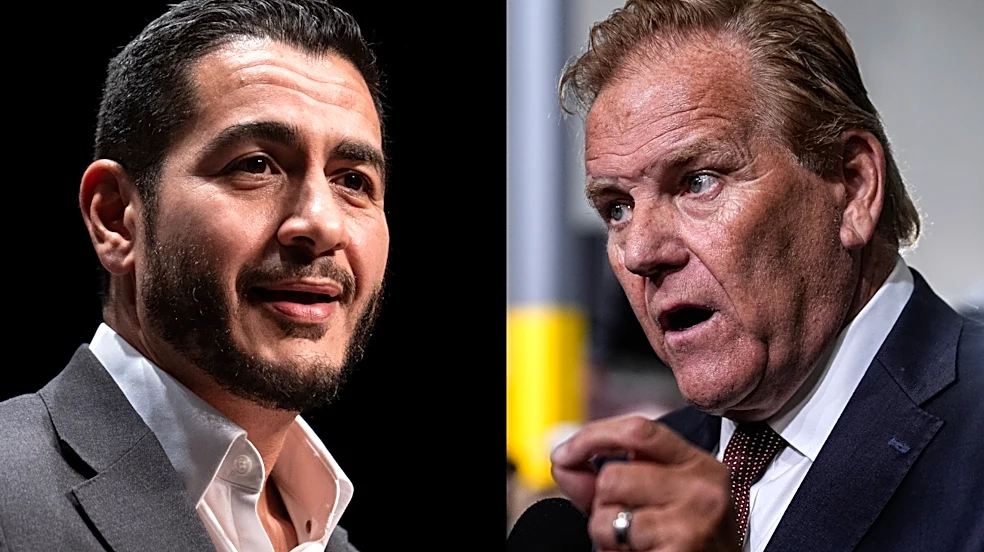
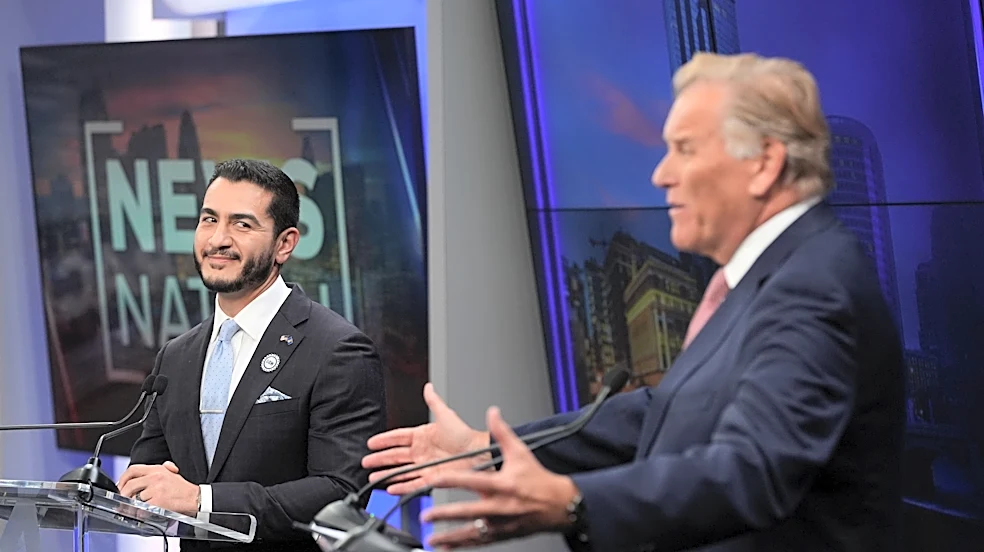
Michigan's U.S. Senate race is also for an open seat, as incumbent Democrat Gary Peters is not seeking re-election. The Democratic candidate is Abdul El-Sayed, a physician and the former health director for Detroit and Wayne County. El-Sayed, a prominent progressive voice, is running on a platform that includes Medicare for All and getting corporate money out of politics. The Republican candidate is Mike Rogers, a former U.S. Representative who also previously served as an Army officer and an FBI Special Agent. Rogers, who ran unopposed in his primary, is positioning himself as an experienced leader. This race is expected to draw significant national attention as Republicans aim to flip a seat in a state Donald Trump won in 2024.
Other Major Statewide Races
Voters will also decide other key executive roles. For Attorney General, the state's top lawyer, the race is between Democratic Washtenaw County Prosecutor Eli Savit and Republican Eaton County Prosecutor Doug Lloyd, as incumbent Dana Nessel is term-limited. For Secretary of State, the official who oversees elections and motor vehicle services, the major party candidates are Democratic Lieutenant Governor Garlin Gilchrist II and Republican Macomb County Clerk Anthony Forlini. Both of these are open-seat races due to term limits.
Statewide Ballot Proposals
Two significant statewide proposals have been certified for the November ballot. Proposal 1 is an automatically recurring question that asks voters if Michigan should hold a constitutional convention to revise the entire state constitution. If it passes, 148 delegates would be elected in 2027 to rewrite the state's foundational document. Proposal 2 is a citizen-initiated measure that seeks to amend Michigan's campaign finance laws. It would prohibit political contributions from certain entities like regulated utilities and large government contractors, aiming to curb 'pay-to-play' politics.
Legislative and Local Contests
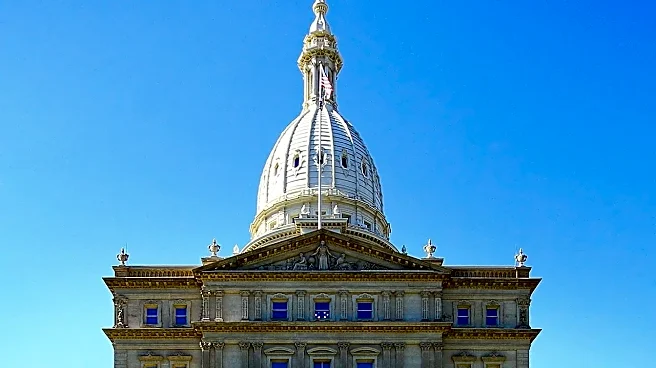
Beyond the top-ticket races, the entire Michigan Legislature is up for election, including all 38 State Senate seats and all 110 State House seats. These outcomes will determine which party controls the legislative agenda in Lansing for the next term. Additionally, all 13 of Michigan's seats in the U.S. House of Representatives will be on the ballot, alongside numerous local races for county, city, and school board positions. These local contests often have the most direct impact on residents' daily lives.