


The State's Chief Election Officer
At the top of the pyramid is Wyoming's Secretary of State, who serves as the state's chief elections officer. This elected official, one of five statewide executive officers, is responsible for ensuring uniformity in how elections are applied and operated across all 23 counties. Their duties include certifying all statewide candidates and ballot questions, overseeing election rules, and ultimately reporting and certifying the final primary and general election results. The Secretary of State's office works in close coordination with each county clerk to administer statewide elections, providing the curriculum for training poll workers and maintaining the statewide voter registration system.
The County-Level Powerhouses
While the Secretary of State provides statewide oversight,
the real workhorses of Wyoming's election system are the 23 County Clerks. Each clerk is the chief election officer for their county, managing the vast majority of on-the-ground logistics. They are responsible for nearly every aspect of the voter experience, including voter registration, mailing and processing absentee ballots, and managing early voting, which can begin 28 days before an election. County Clerks are also in charge of appointing and training the temporary election judges who staff the polls on Election Day. They prepare the ballots, secure polling locations, and are the primary point of contact for voters with questions.
The Front-Line Volunteers: Election Judges
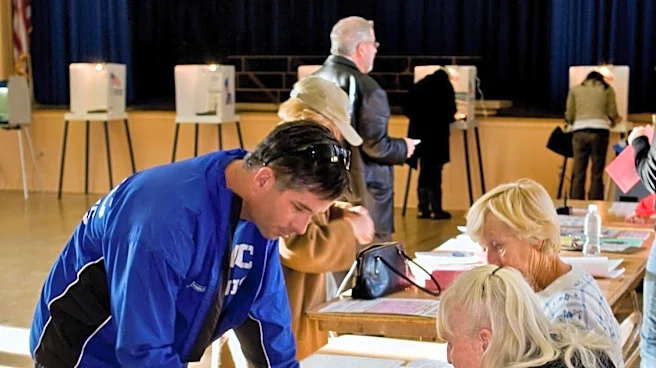
On Election Day, the system relies on a temporary workforce of dedicated citizens known as election judges. These are the people you see at your polling place, and they are essential to democracy. Appointed by the County Clerk, these judges are registered electors who take an oath to perform their duties impartially. Their responsibilities include setting up voting equipment, checking in voters, ensuring voter privacy, distributing the correct ballots, and assisting anyone who needs help. After the polls close at 7 p.m., they help with the initial counting and certification of the polling place results before everything is securely transported back to the County Clerk's office. High school students aged 16 and older can also serve as student election judges.
Making It Official: The Canvassing Boards
An election isn’t over when the polls close. The results must be officially verified and certified, a process known as canvassing. This happens at two levels. First, each county has a County Canvassing Board, which typically includes the County Clerk and two appointed representatives from different political parties. This board reviews all the vote totals from absentee, early, and Election Day ballots, reconciles the numbers, and counts write-in votes to ensure accuracy before certifying the local results. Once all counties have certified their results, the Wyoming State Canvassing Board meets. This board is composed of the Governor, Secretary of State, State Auditor, and State Treasurer. They review the abstracts from all 23 counties and formally certify the final, official statewide election results.