





The Ballot's Journey Begins
Once a voter places their ballot in a secure dropbox or sends it via mail, its journey to being counted begins. Teams of two poll workers collect ballots from dropboxes, logging them and sealing them in bags with tamper-evident seals. In some counties, the transport is even tracked by GPS. All active registered voters are automatically sent a ballot about three weeks before an election. Voters can track their ballot's status online at vote.utah.gov from the moment it is mailed until it is officially counted, providing transparency throughout the process.
Signature Verification: The Human-Led Checkpoint
This is one of the most critical security steps. Upon arrival at a county clerk's office, every single ballot envelope signature is verified. Trained election workers compare the signature on the envelope's
affidavit to a database of up to five signatures on file for that voter. If a machine's initial scan flags a potential mismatch, the signature is reviewed by human eyes—up to three times. If the signature still can't be verified, or if the envelope is unsigned, the ballot is not counted. Instead, the county clerk notifies the voter and provides a 'cure letter', giving them a chance to confirm their identity so their ballot can be accepted.
Preserving Anonymity Before the Count
A core tenet of U.S. elections is the right to a secret ballot, and Utah's process is designed to protect it. Once a signature is verified, the ballot moves to the next stage. A machine slices open the envelope, and an election worker removes the ballot. At this point, the ballot is permanently separated from the envelope containing the voter's name and signature. This crucial step ensures that by the time the ballot is ready for tabulation, it is completely anonymous and cannot be traced back to the individual who cast it.
Tabulation: The Secure, Offline Count
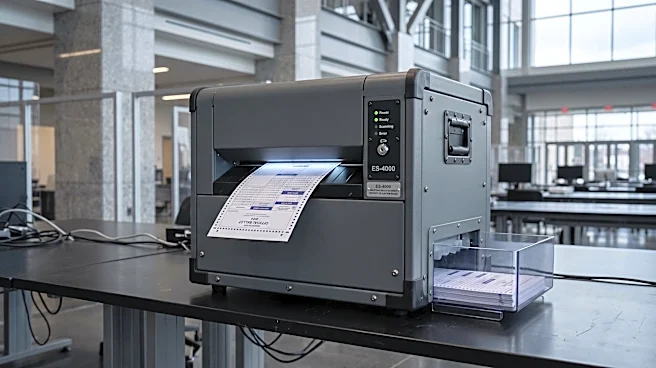
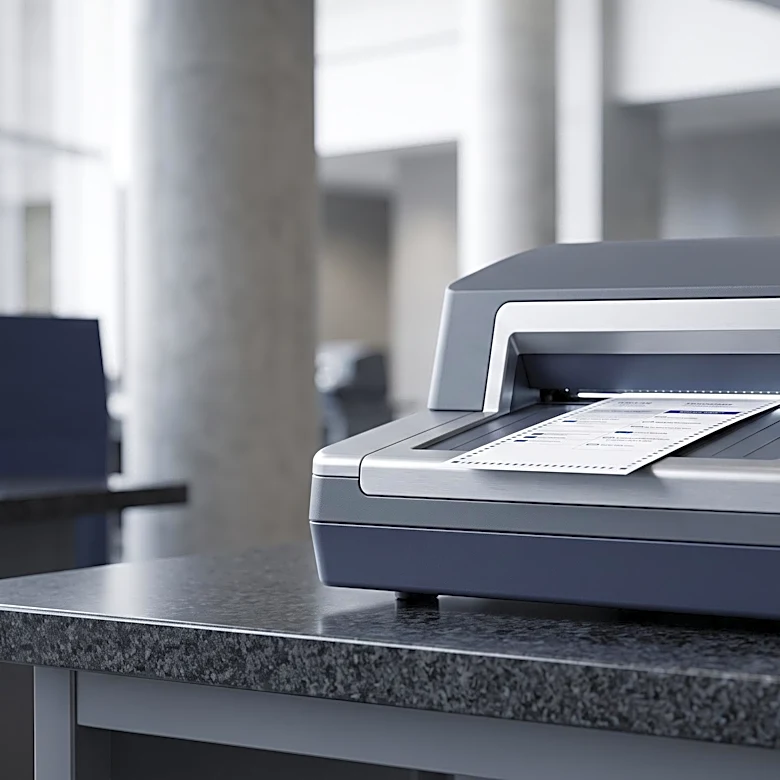
With anonymity secured, ballots are flattened and fed into high-speed scanners that take a digital image of the front and back, recording the votes for each race. These tabulation machines are not connected to the internet or any outside network, eliminating the risk of hacking. The vote data is transferred to a stand-alone, locked-up computer using an encrypted flash drive. If a scanner cannot determine a voter's intent due to a stray mark or an unclear selection, the ballot is flagged for adjudication. A bipartisan team of election workers then reviews the digital image of that specific race—without seeing any other votes on the ballot—to determine the voter's intent based on established rules.
Audits and Certification: The Final Layers of Trust
The counting process doesn't end on election night. Before results are finalized, every county in Utah conducts post-election audits. In these public meetings, a random sample of paper ballots is counted by hand and compared against the machine-tabulated results to ensure the equipment was accurate. Counties must audit at least 1% of their ballots. Finally, after all audits and checks are complete, the county's board of canvassers meets to officially review and certify the final election results, which are then reported to the Lieutenant Governor. This transparent, multi-step verification process confirms the accuracy of the entire election before it becomes official.