





Step 1: The Local Level on Election Night
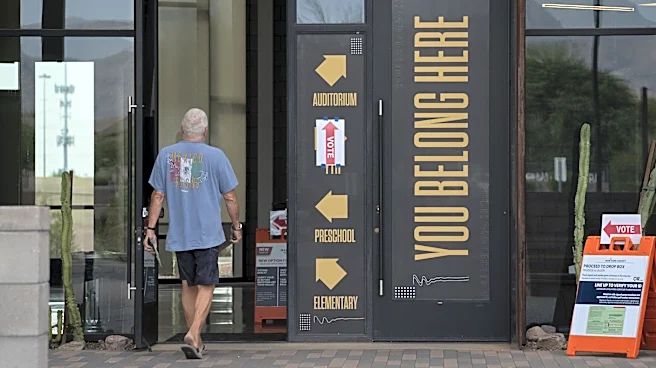
The process begins the moment polls close at 8 p.m. in each of Connecticut's towns and cities. The chief official at each polling place is called the Moderator. This person, who must be certified by the state, is responsible for overseeing the vote count on-site. With officials from different parties observing, they ensure ballots, including absentee and early votes, are correctly tabulated by the voting machines. The Moderator signs off on a document called the "Head Moderator's Return," which contains the initial vote totals for that location. These are the unofficial results that get reported to the Secretary of the State and the media on election night. The key word here is "unofficial." This initial count is the first draft, and the formal
verification process is just beginning.
Step 2: The Town Clerk's Canvass
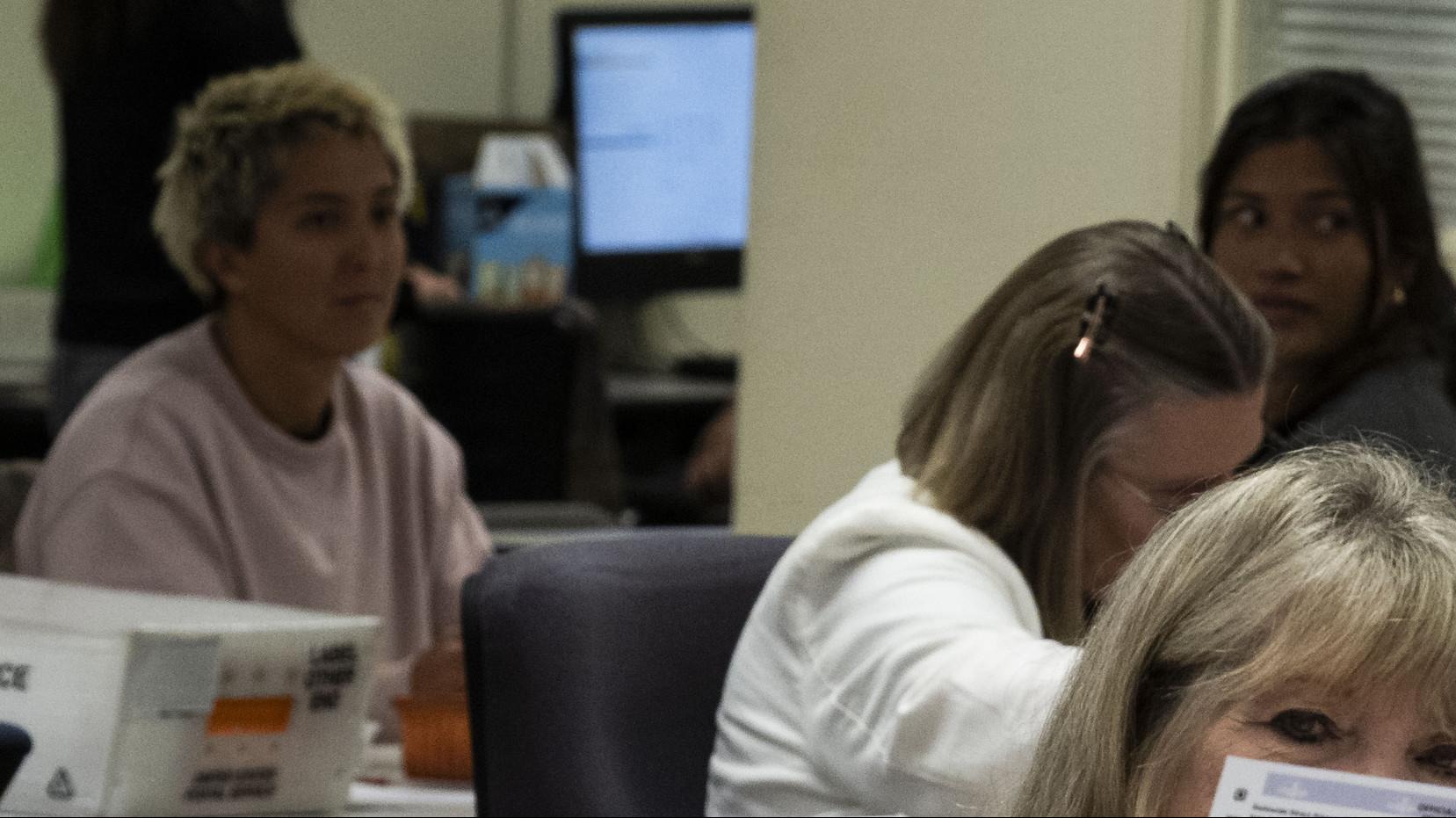
In the days following the election, the process moves from individual polling places to the town or city level. This stage is known as the canvass, which is essentially a formal review and accounting exercise. The local Town Clerk and Registrars of Voters are the key players here. They collect the returns from every polling place in their municipality and formally check the numbers. They verify that the number of ballots cast matches the number of voters who were checked in. This ensures all votes are accounted for and there are no discrepancies. The Town Clerk, a locally elected official responsible for maintaining town records and administering elections, then officially prepares and sends the certified totals from their entire municipality to the Secretary of the State. This must be done within a few days of the election.
Step 3: A Statewide Recanvass If Necessary
Before the state-level certification, there is an automatic trigger for a recount, or "recanvass," in very close races. In Connecticut, a recanvass is required if the margin of victory is less than 20 votes, or if it's less than 0.5% of the total votes cast for that office (but no more than 2,000 votes). This process is not initiated by candidates but happens automatically by law. The recanvass itself involves local election officials, overseen by a moderator, re-tabulating votes. This can be a combination of running ballots through machines again and, in some cases, counting by hand to ensure the final tally is as accurate as possible before being sent to the state for final certification.
Step 4: The Final State Certification
The final, official step happens in Hartford, typically within the month of the election. The Secretary of the State's office compiles all the certified results received from the 169 town clerks into a statewide tally. This comprehensive report is then presented to the State Board of Canvassers. This board is composed of top state officials: the Secretary of the State, the State Treasurer, and the State Comptroller. These officials meet publicly to review the aggregated results and formally sign the documents that certify the winners for federal offices, including members of Congress. According to state law, these results for state representatives and senators are declared during the month the votes are cast. Once the Board of Canvassers signs off, the election results are final and official.