





On Election Day, you head to a specific school, church, or community center to cast your ballot. But have you ever wondered how that exact location was chosen for you? The process in Indiana is a detailed one, rooted in geography and local control.
The Foundation: Your Registered Address
Everything starts with where you live. When you register to vote in Indiana, your residential address is the single most important piece of information. This address is used to place you into a specific voting 'precinct'. A precinct is the smallest political geography in the state, a precisely drawn area on a map. By law, you must have lived in that precinct for at least 30 days before an election to vote there. Your precinct determines which candidates you can vote for, especially in local races and for state representatives.
State law requires that precinct boundaries follow other established lines, like those for cities, towns, and congressional districts.
County Executives Draw the Lines
The responsibility for drawing and managing these precinct boundaries falls to county-level officials. In most of Indiana's 92 counties, the county executive (often the board of county commissioners) is in charge of this process, known as 'reprecincting'. They are responsible for ensuring that precincts don't become too crowded; in counties without vote centers, a precinct generally cannot contain more than 2,000 active voters. This process of redrawing lines is carefully managed and must be approved by the Indiana Election Division. Once the precincts are set, the county executive then has the duty to designate a physical polling place for each precinct at least 29 days before an election.
The Rise of Vote Centers
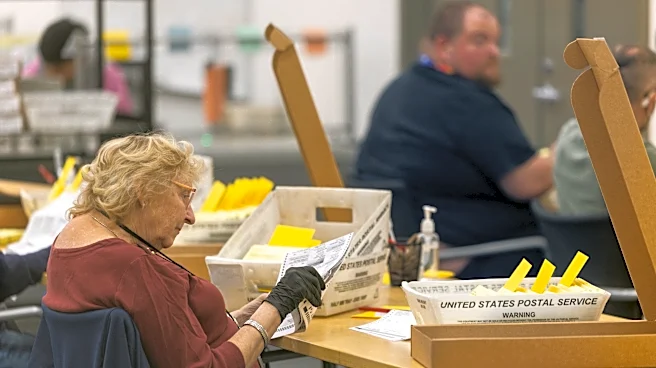
The traditional model of one polling place per precinct is no longer the only option in Indiana. A growing number of counties have adopted the 'vote center' model. A vote center is a polling location where any registered voter in the county can cast their ballot, regardless of which precinct they live in. This provides much greater flexibility and convenience. Instead of being tied to one specific location, a voter can choose the vote center closest to their work, their child's school, or anywhere else in the county. These locations are equipped with secure electronic poll books that are connected to the county's central voter database, ensuring that a person can only vote once. The decision to switch to vote centers is made by each county's election board.
What Makes a Good Polling Location?
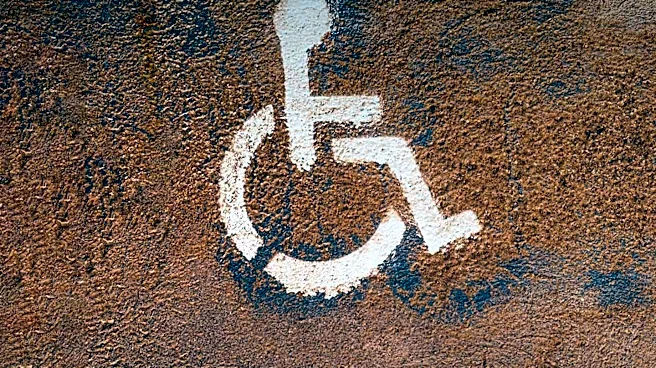
Choosing a physical building to serve as a polling place or vote center isn't random. Indiana law and federal law, like the Americans with Disabilities Act (ADA), set strict requirements. Every polling location must be accessible to elderly voters and voters with disabilities. This includes accessible parking, clear pathways free of obstruction, and ramps or other aids to bypass stairs. Inside, the path to the voting area must also be accessible. Officials look for locations with adequate space, good lighting, and enough parking to handle the flow of voters. Common choices include schools, churches, government buildings, and community centers. The county election board must give public notice of all polling locations ahead of Election Day.
With all these moving parts, the state provides a simple, centralized way for voters to find where they need to go. The official Indiana Voter Portal, IndianaVoters.com, is the best resource. By entering your name, county, and date of birth, you can confirm your registration status, see your precinct information, and get the name and address of your polling place. This is crucial whether you're in a traditional precinct county or a vote center county. For those in vote center counties, the portal will list all available locations where you can cast your ballot. Checking this portal before each election is the surest way to know exactly where you're headed.