


The Chief Election Official: The Secretary of State
At the top of the pyramid is Georgia's Secretary of State, an independently elected constitutional officer. This office serves as the state's chief election official, tasked with overseeing all election activities across Georgia. This includes coordinating municipal, county, state, and federal elections. The Secretary of State's office is responsible for certifying the qualifications of candidates, preparing ballots, and ultimately, certifying the official election results. It also maintains the statewide voter registration database, ensuring the lists are up to date. While the Secretary of State provides broad oversight and ensures uniformity, they do not manage the on-the-ground logistics of every polling place.
The Rule-Makers: The State Election Board
Think of the State Election
Board as the entity that writes the rulebook that the Secretary of State and county officials must follow. This board is responsible for creating rules and regulations to ensure uniformity, legality, and fairness in how primaries and elections are conducted statewide. Its duties include investigating allegations of election fraud and other irregularities, referring violations to the Attorney General or district attorneys for prosecution. The board's composition has changed in recent years; as of 2023, its five members are appointed by the state legislature and the two major political parties, with a chairperson elected by the General Assembly. This structure is designed to foster public confidence by impartially enforcing Georgia's election laws.
The Real Workhorses: County Election Boards
If the Secretary of State is the general, the county boards of elections are the field commanders who execute the mission. Georgia’s election system is highly decentralized, meaning that the 159 individual counties do the heavy lifting of election administration. These county boards, sometimes called Boards of Elections and Registration, are responsible for the practical, hands-on tasks. They select and set up polling places, purchase and maintain all election equipment (except voting machines), appoint and train poll workers, and are the ones who actually count the votes. They also handle the critical work of processing voter registrations, updating voter information, and ensuring every eligible voter is placed in their correct precinct. Essentially, the entire tangible experience of voting is managed at the county level.
The Front Lines: Poll Workers
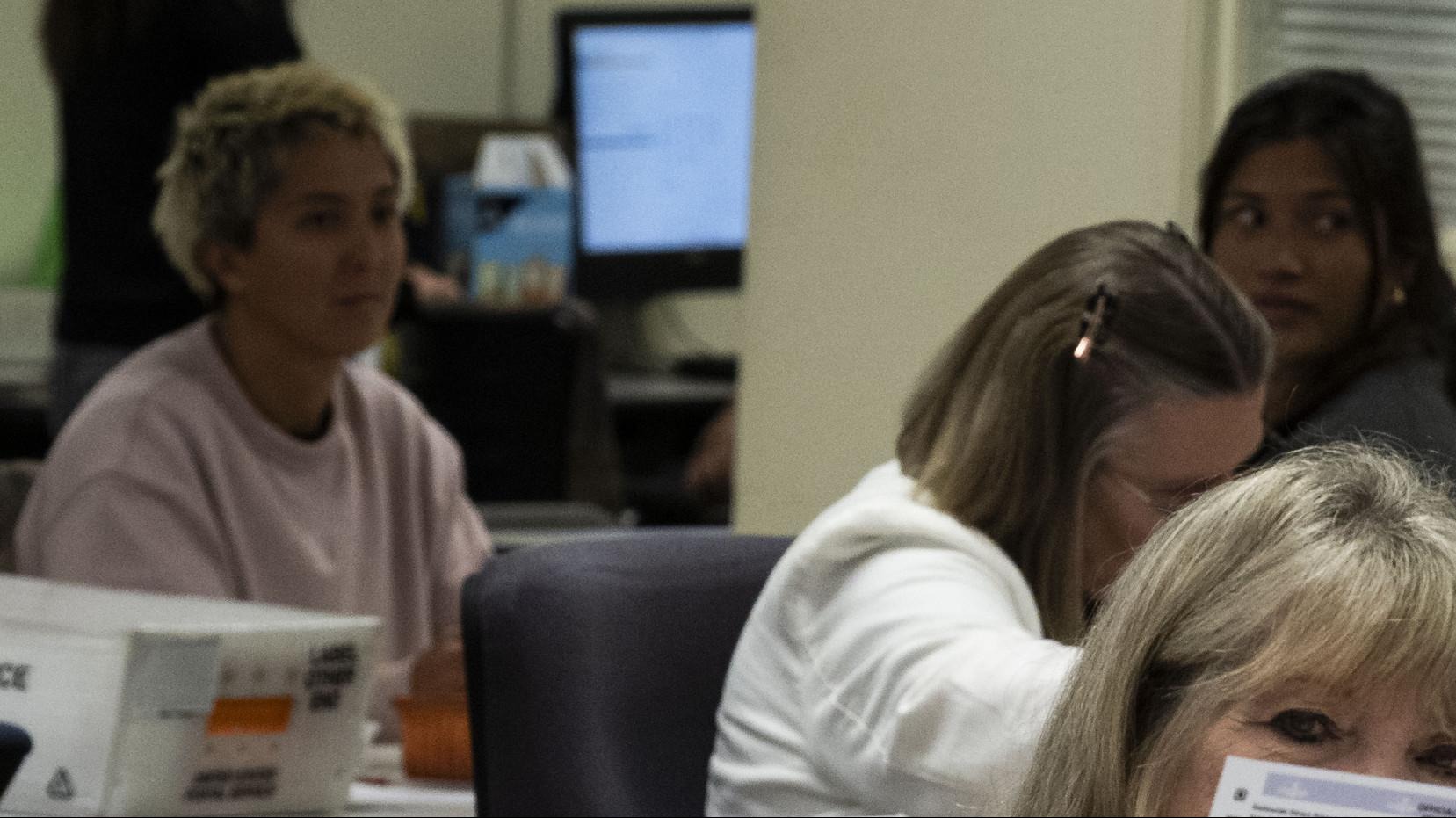
The final and perhaps most visible layer of election administration is made up of ordinary citizens: the poll workers. These are the thousands of individuals hired and trained by county election boards to staff polling places on Election Day and during early voting. They are your neighbors, friends, and community members. Their job is to check voters in, provide them with the correct ballot, offer instructions on using voting equipment, and ensure that all procedures are followed correctly. They are the frontline faces of the democratic process, responsible for making sure polling places run smoothly, honestly, and efficiently for every single voter who walks through the door.