

A Limited Path to Absentee Voting
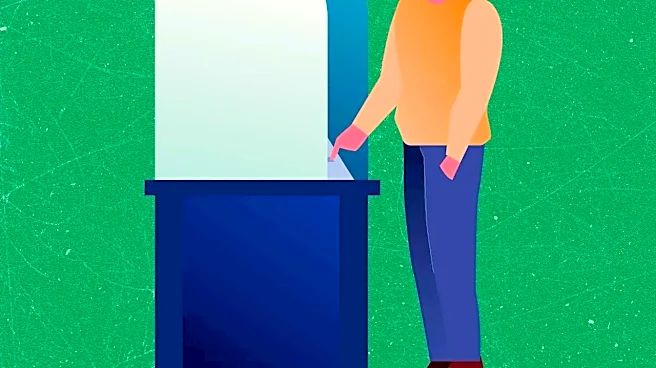
Before a ballot can be rejected, a voter must first be eligible to cast one by mail. Unlike many states with no-excuse mail-in voting, Mississippi requires voters to provide a valid reason to vote absentee. Qualifying reasons include being away from your county on Election Day, being a student or teacher whose duties require their absence, or having a temporary or permanent physical disability that makes in-person voting a hardship. Being 65 or older also qualifies a resident. This restrictive landscape means the pool of mail-in voters is smaller by design, but the rules for those who do qualify are just as stringent, setting the stage for potential rejections.
Signature and Witness Requirements
One of the most frequent reasons for ballot rejection nationwide is a problem with
a signature, and Mississippi is no exception. Ballots can be flagged if the voter's signature on the ballot envelope doesn't appear to match the one on file with election officials. But Mississippi adds another layer of complexity: a witness signature. Most absentee ballot applications and envelopes must be signed and witnessed by an official authorized to administer oaths, such as a notary public. A ballot can be rejected if this witness signature is missing or improperly completed. While voters with a disability are exempt from the notary requirement, their ballot may still need to be witnessed by another adult. Analysis from the 2020 election showed that issues with witness signatures were a significant cause of rejections in the state.
Missing Information and Procedural Errors
Simple clerical errors are a common cause of disenfranchisement. Election officials in Mississippi are instructed to reject ballots for a range of technical mistakes. This includes a voter forgetting to sign the application or the ballot envelope itself. The ballot must be placed inside the proper envelopes, sometimes called secrecy sleeves, and then into the return envelope. Failing to use the correct envelopes or sealing them improperly can lead to rejection. These procedural details, while seemingly minor, are strictly enforced. Because Mississippi does not have a universal, automatic process to fix, or “cure,” every type of ballot error, many of these mistakes are final. However, for signature mismatch issues specifically, the state does have a cure process where voters are notified and can verify their identity.
Arriving After the Deadline
Timing is everything in elections. For a mail-in ballot to be counted in Mississippi, it must be postmarked on or before Election Day. In a significant 2026 ruling, the U.S. Supreme Court upheld Mississippi's law that allows these properly postmarked ballots to be counted even if they arrive up to five business days after the election. This grace period protects voters from mail delays that are outside their control. However, the critical first step is on the voter: any ballot mailed after Election Day will be too late. Nationally, arriving after the deadline is a leading cause of ballot rejection, underscoring the importance for voters to mail their ballots well in advance.
New Citizenship Verification Hurdles
A recently enacted state law, the SHIELD Act, has introduced new complexities. This law requires election officials to cross-reference voter rolls with federal and state databases to verify U.S. citizenship. While a federal judge temporarily blocked the use of an expanded federal database for this purpose, the state law creates a new potential reason for rejection. If a voter's information cannot be matched, they may be sent a notice requiring them to provide proof of citizenship—such as a birth certificate or passport—within 30 days or risk having their registration purged. Voting rights advocates have warned that this could disenfranchise eligible voters, particularly naturalized citizens or those with administrative discrepancies in their records.