


Where Are Drop Boxes Located?
Washington state law mandates a widespread and accessible network of ballot drop boxes to serve its millions of voters. State law requires county auditors to establish at least one drop box for every 15,000 registered voters. Furthermore, there must be a minimum of one box in every city, town, and census-designated place that has a post office. This ensures broad coverage, from dense urban centers to more rural communities. For example, King County now operates nearly 100 drop boxes, with new locations added in 2026 at places like community centers, libraries, and colleges. At the request of a federally recognized tribe, counties must also place a drop box on reservation land at a site chosen by the tribe, as long as it's accessible by a public
road. Voters aren't limited to their home county; you can legally use any official drop box in the state, and your ballot will be securely routed to your home county for counting.
How Are Ballots Kept Secure?
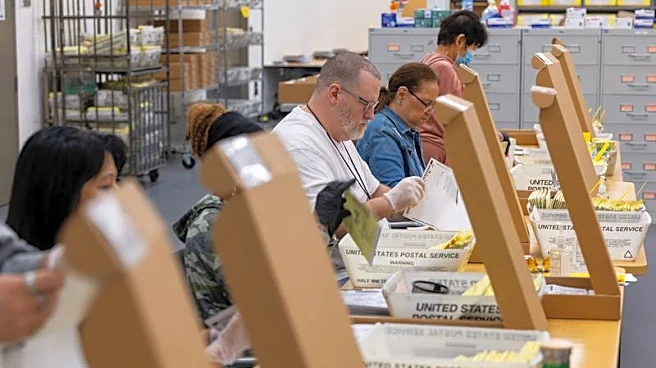
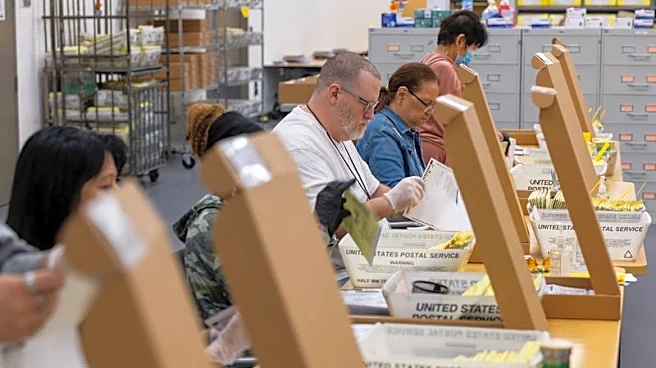
Security is the cornerstone of Washington's drop box system, governed by multi-layered rules. The boxes themselves are built to be robust, designed to withstand vandalism, weather, and even fire. State law outlines a strict chain-of-custody process. Ballots must be collected from each drop box by a team of at least two election workers. This team keeps a detailed log of their names, the date, and the time of collection. Ballots are then placed into secured transport containers, often sealed with numbered, tamper-evident seals. These seal numbers are logged and verified upon arrival at the county's central tabulation center. Following a 2024 arson incident in Clark County, some counties have upgraded their boxes with high-tech features, including heat sensors that send alerts to officials, GPS tracking, and enhanced fire suppression systems. Many locations are also monitored by surveillance cameras.
What Rules Apply at Drop Box Sites?
To ensure voters can deposit their ballots without interference or pressure, Washington law establishes a protected buffer zone around each drop box. A 25-foot radius is legally protected from certain activities. Within this zone, it is illegal to engage in electioneering, circulate campaign materials, solicit petition signatures, or otherwise interfere with the voting process. County auditors are required to post signs notifying the public of these restrictions. The use of sound amplification, like a megaphone, is also restricted if it can be heard within the protected zone. Law enforcement can be called to enforce these rules, and violations are considered a gross misdemeanor. These regulations are considered constitutional 'time, place, and manner' restrictions, balancing the right to free political expression with the fundamental right to cast a ballot securely and privately.
Why Use a Drop Box Instead of the Mail?
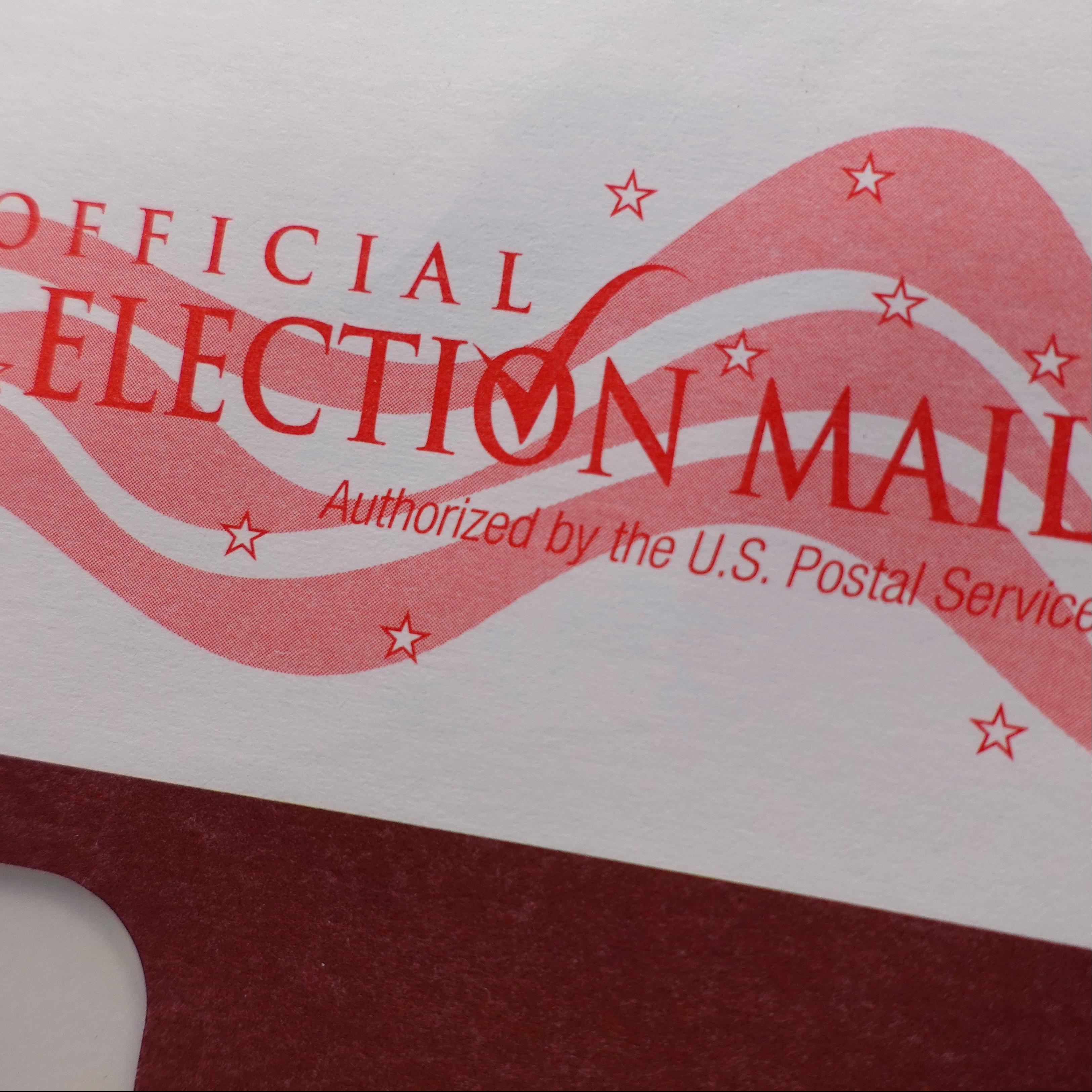
While every voter receives a ballot with a postage-paid return envelope, election officials, including the Washington Secretary of State, increasingly encourage using a drop box. The primary reason is to bypass potential postal service delays. A ballot sent by mail must be postmarked by Election Day to be counted, even if it arrives at the elections office days later. However, recent changes in U.S. Postal Service processing mean that mail isn't always postmarked on the day it's collected, creating a risk that ballots mailed close to the deadline might be rejected. In contrast, any ballot placed in an official drop box before 8 p.m. on Election Day is guaranteed to be considered on time. This has made drop boxes a vital tool for ensuring every vote counts, with King County reporting that 70% of ballots in a recent primary election were returned via drop box.