




The Ballot Arrived Too Late
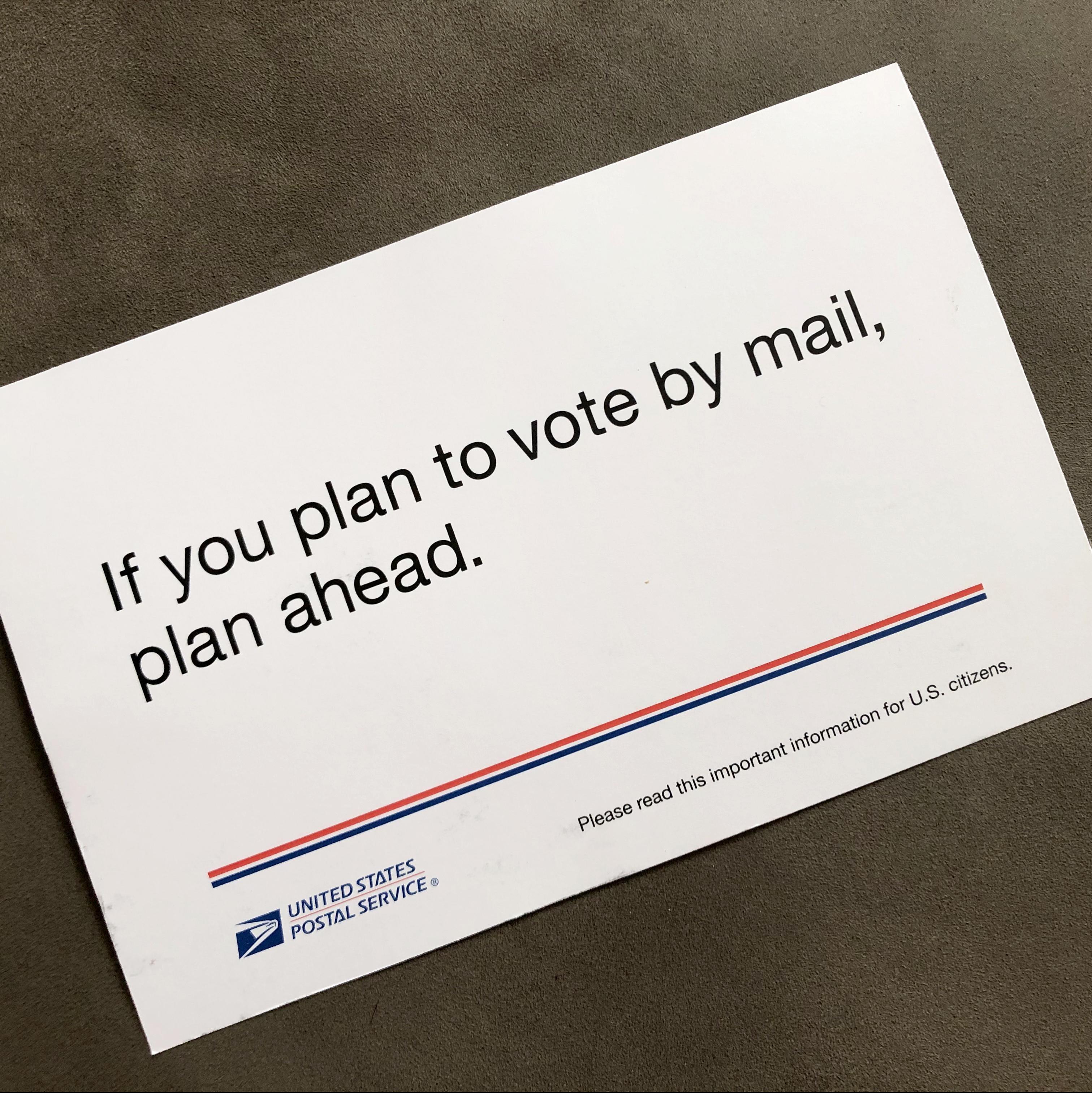
This is one of the most common and unforgiving reasons for a ballot rejection in Wyoming. State law is crystal clear: a mail-in ballot must be physically received by your county clerk's office by 7:00 p.m. on Election Day. A postmark from Election Day, or even the day before, is not enough. If your ballot arrives at 7:01 p.m., it will not be counted. Wyoming election officials recommend mailing your ballot at least a week in advance, as mail delivery within the same county can take several days. For voters who request their ballot close to the deadline or are worried about postal delays, the safest options are to hand-deliver it to the county clerk's office or use an official ballot drop box if one is available in your county. Cutting it close with the mail is a significant
gamble that could nullify your vote.
A Missing Signature on the Envelope
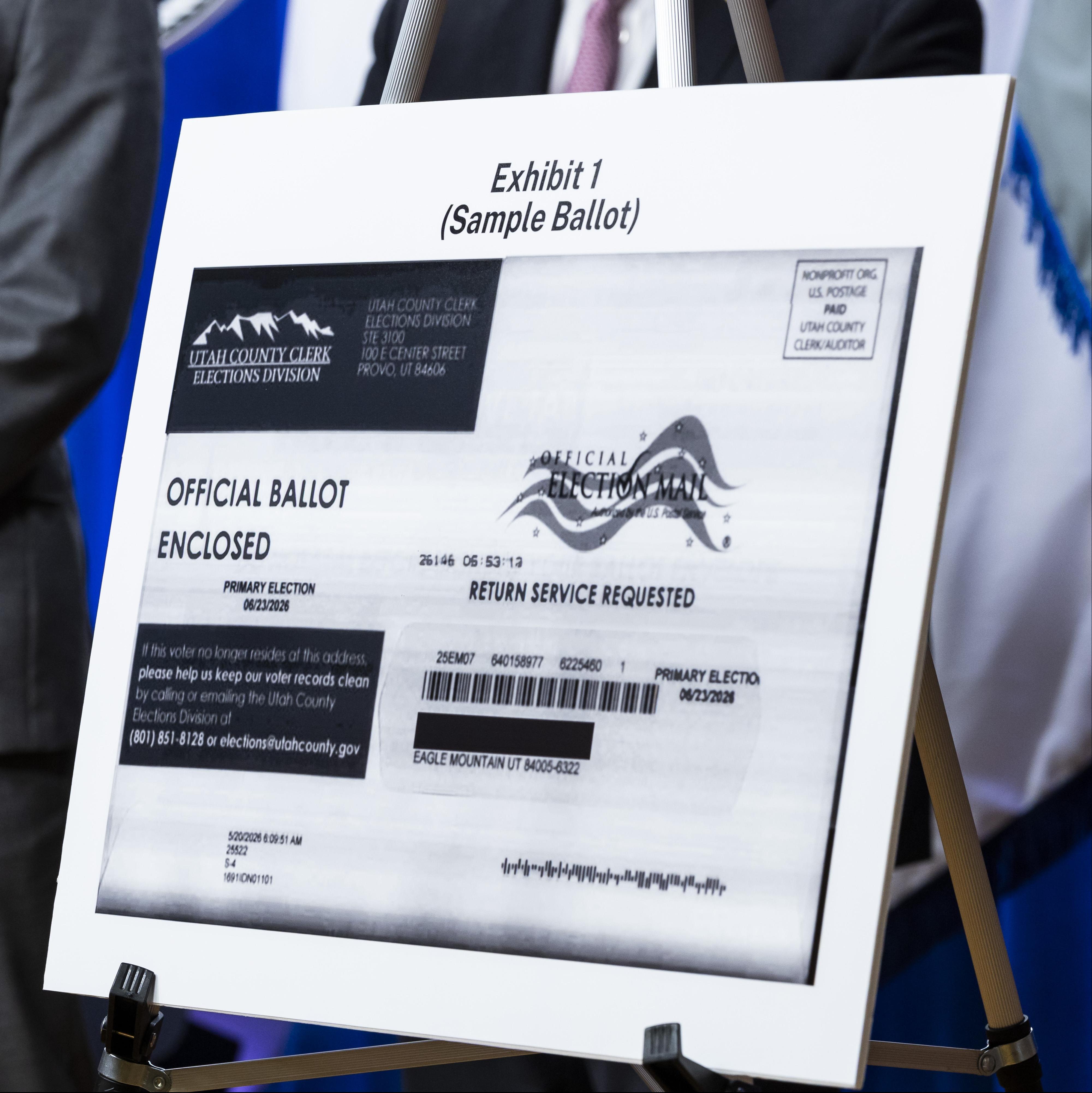
When you receive your absentee ballot, it comes with a special return envelope that includes a voter affidavit on the back. You are required to sign this affidavit. This signature is an oath confirming your identity and eligibility to vote. Forgetting to sign this outer envelope is an automatic cause for rejection. Election workers are legally bound by this rule; an unsigned affidavit means the ballot inside cannot be authenticated and therefore cannot be tabulated. Before sealing your envelope, it is crucial to double-check that you have signed and dated the affidavit in the designated spot. It’s a simple step, but it is the one that most frequently trips up voters, and it's an error that officials cannot overlook.
Signature Problems and No Second Chance
Beyond a completely missing signature, other issues with the affidavit can also lead to rejection. Election judges are tasked with examining the signature on the envelope. While practices can vary slightly, the signature is used as a verification tool. What makes this particularly high-stakes in Wyoming is that the state does not have a “signature cure” process. In many other states, if an election official finds a problem with a signature—like it doesn't appear to match the one on file—they are required to contact the voter to give them a chance to “cure” or fix the issue. Wyoming law does not provide for this second chance. If your signature is flagged for a problem, the ballot is simply rejected. This unforgiving rule underscores the importance of providing a consistent signature that matches the one on your voter registration record.
A First-Time Voter ID Requirement
While Wyoming voters are generally not required to provide identification when voting by mail, there is one very important exception. If you registered to vote by mail and are voting in a federal election for the first time, you must include a copy of an acceptable form of identification with your returned ballot. This is a requirement of the federal Help America Vote Act (HAVA). Acceptable documents include a current Wyoming driver’s license, a U.S. passport, or even a current utility bill or bank statement with your name and address. Forgetting to include this required documentation will lead to your ballot being set aside. This rule only applies to a specific subset of voters, but for those individuals, it is a critical and non-negotiable step.
Using the Wrong Pen or Damaging the Ballot
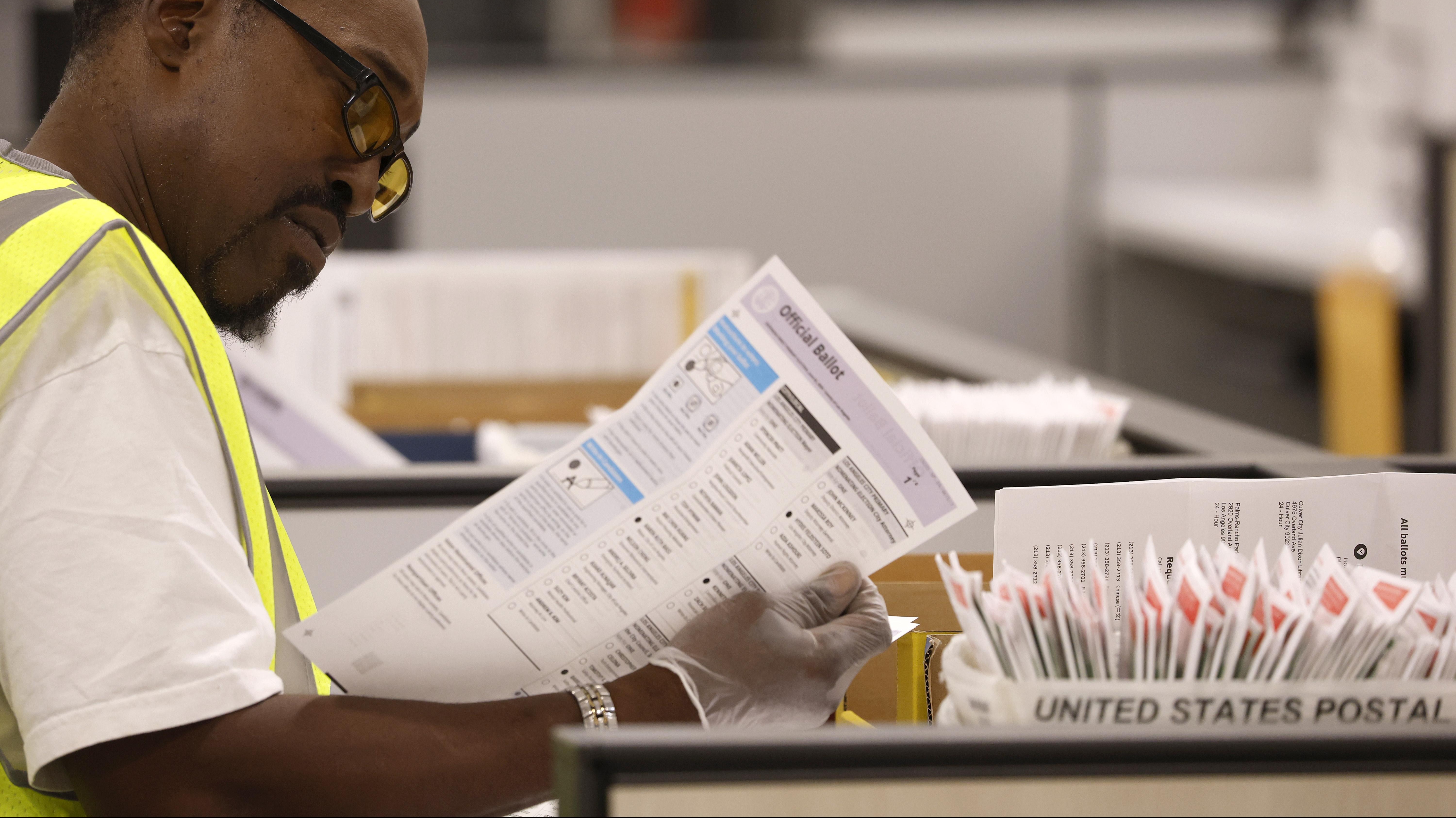
The ballot itself is a precise document designed to be read by an optical scanner. How you fill it out matters. According to guidance from county election officials, voters should use a simple black ink pen. Using a marker, gel pen, or other type of ink can cause the ink to bleed through the paper, potentially making the ballot unreadable by the tabulation machine. Likewise, a ballot that is physically damaged—for example, by a coffee spill or a significant tear—could also be rejected if the scanner cannot process it. Voters should handle their ballot carefully, mark it clearly in the designated ovals with the correct type of pen, and keep it clean and dry before placing it in the return envelope. A spoiled ballot can sometimes be replaced by contacting your county clerk, but doing it right the first time is the easiest path.