




The Most Common Culprit: Your Signature
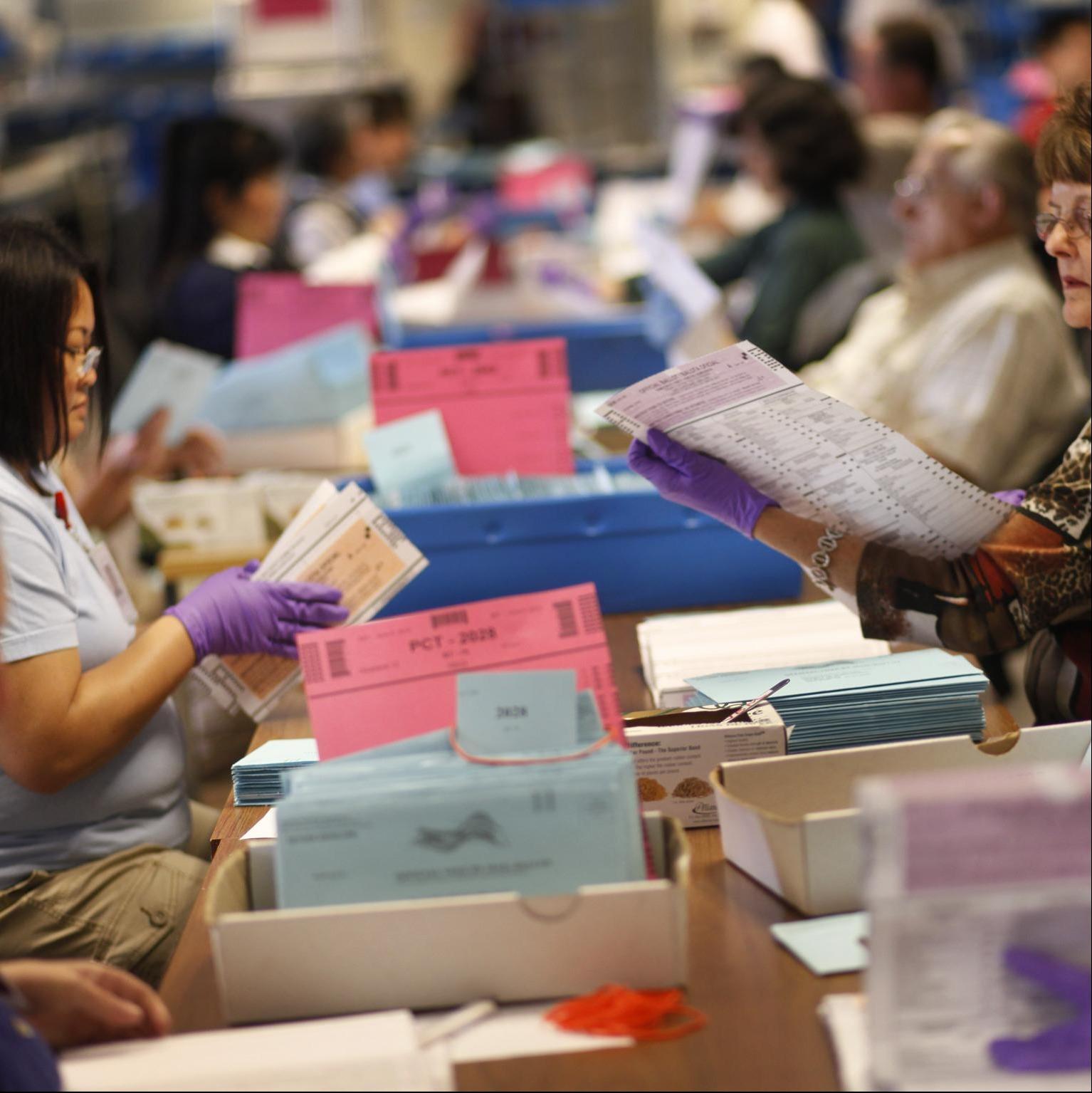
Across the country, and right here in Maryland, the single most common reason a mail-in ballot is rejected is due to an issue with the voter's signature. This falls into two main categories: a missing signature or a signature that doesn't match the one on file. Election officials are required to verify that the person who cast the ballot is the registered voter, and the signature on the return envelope's oath is their primary tool for doing so. If you forget to sign the oath on the back of the envelope, your ballot cannot be counted. Similarly, if your signature has changed significantly over time, it may be flagged. To avoid this, make a conscious effort to sign the envelope clearly and consistently with the signature you used when you registered to vote or at the MVA.
It's a simple step that serves as the most important security check in the mail-in voting process.
Racing the Clock: The Late Return
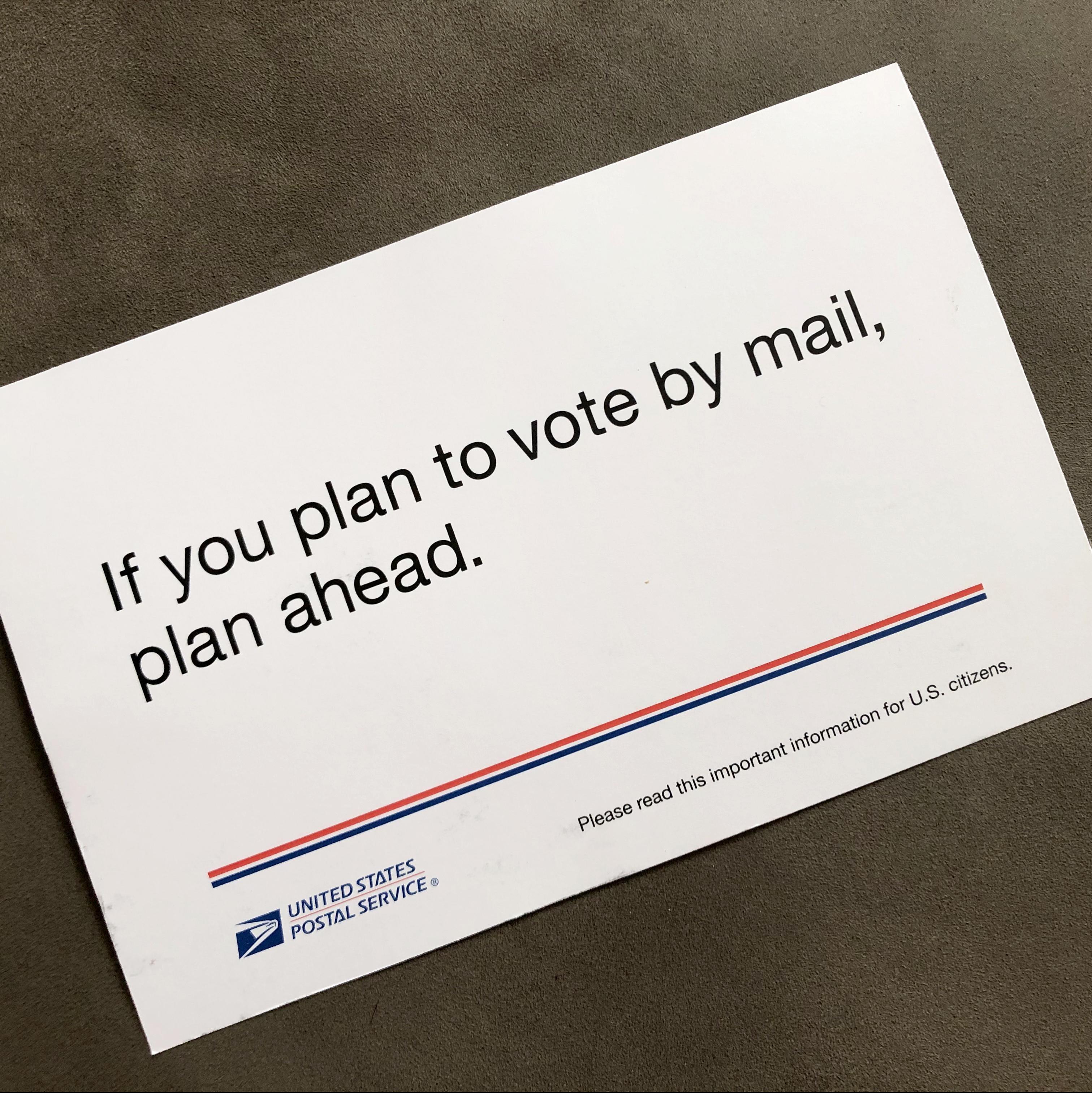
The second major hurdle for mail-in voters is time. For your ballot to be counted, it must be postmarked on or before Election Day and received by your local board of elections in a timely manner. Waiting until the last minute introduces unnecessary risk. The U.S. Postal Service recommends mailing your ballot at least a week before the deadline to account for any potential delays. An even safer bet is to use one of the secure, official drop boxes located throughout your county. These boxes are available 24/7 in the weeks leading up to an election and are emptied daily by bipartisan teams of election workers. Returning your ballot early, either by mail or to a drop box, is the best way to guarantee it arrives in time to be included in the final tally.
Procedural Pitfalls: Errors on the Envelope
The return envelope is more than just a container for your ballot; it's a legal document. The oath on the back must be signed and dated correctly. Forgetting to date it or filling it out incorrectly can cause issues. Furthermore, each voter in a household receives their own specific ballot and return envelope. You cannot place multiple ballots in a single envelope; doing so will result in both ballots being rejected. Each ballot must be returned in its designated envelope, as the envelope contains a unique barcode tied to your specific voter registration. This system prevents double voting and ensures that you receive credit for participating in the election. Always double-check that you've sealed the ballot in its proper envelope before mailing it or taking it to a drop box.
Marking Your Ballot Incorrectly
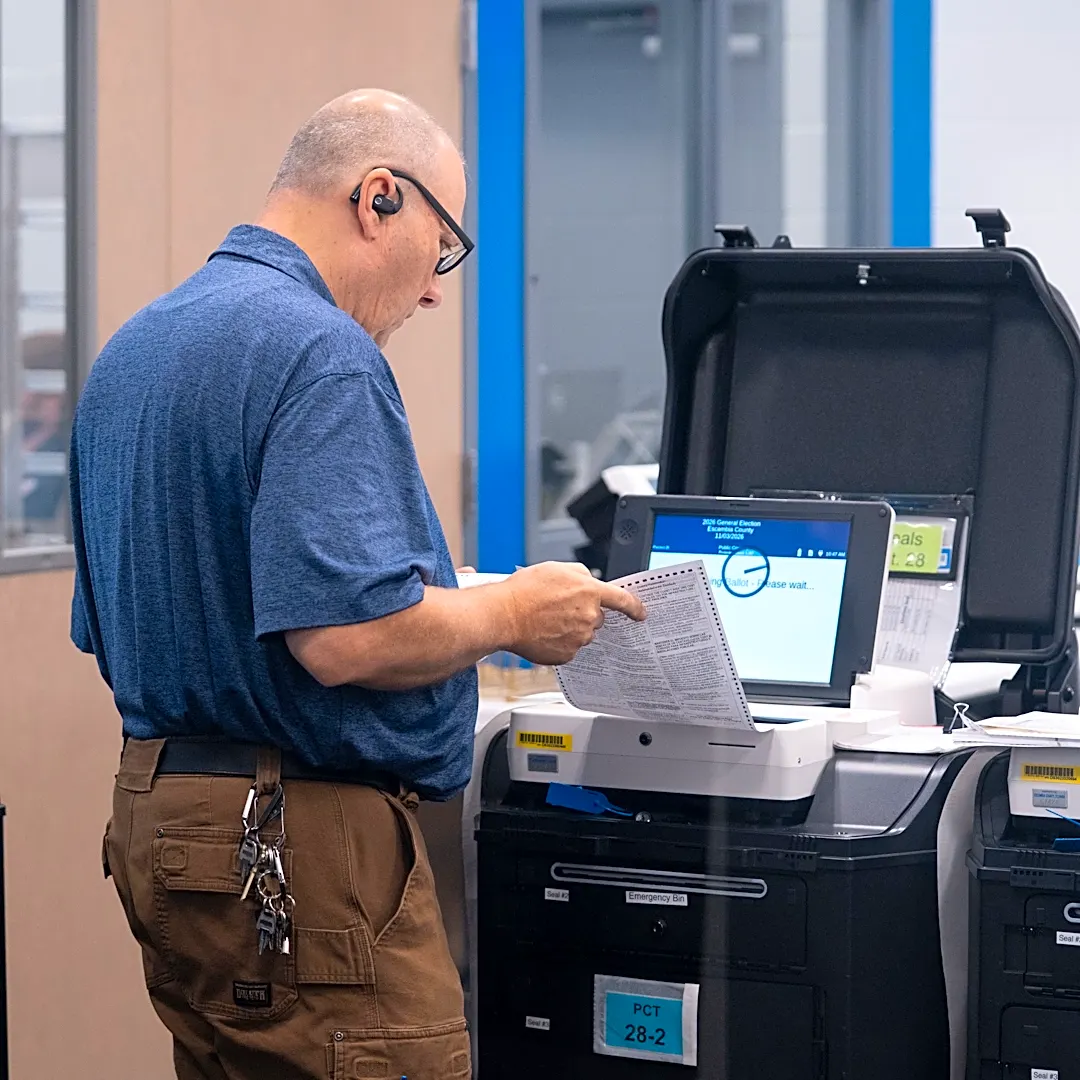
While less common, mistakes made on the ballot itself can lead to it being questioned or, in some cases, rejected. It is crucial to use a black ink pen and to completely fill in the oval next to your choice. Using a different color ink or a pencil can cause problems for the scanning machines that tabulate the votes. Also, do not sign your name or make any other identifying marks directly on the ballot. The ballot is meant to be anonymous. Your signature belongs only on the voter oath on the return envelope. If you make a mistake, don't try to erase it or cross it out. Instead, you should contact your local board of elections to request a new ballot.
Special Circumstances: ID Requirements and Assistance
For a small number of voters, additional steps are required. If you are a first-time voter in Maryland who registered by mail and did not provide identification, your ballot envelope may be marked "ID Required". If so, you must include a copy of a valid photo ID (like a driver's license) or a document that proves your residency (like a recent utility bill or bank statement) in the return envelope. Failure to do so will cause your ballot to be processed as a provisional ballot, which requires further verification. Additionally, if you receive assistance completing your ballot from another person, that person must fill out and sign the "Certification of Person Assisting Voter" form, which should also be included in the return envelope.