




The Ground Rules for Drop Boxes
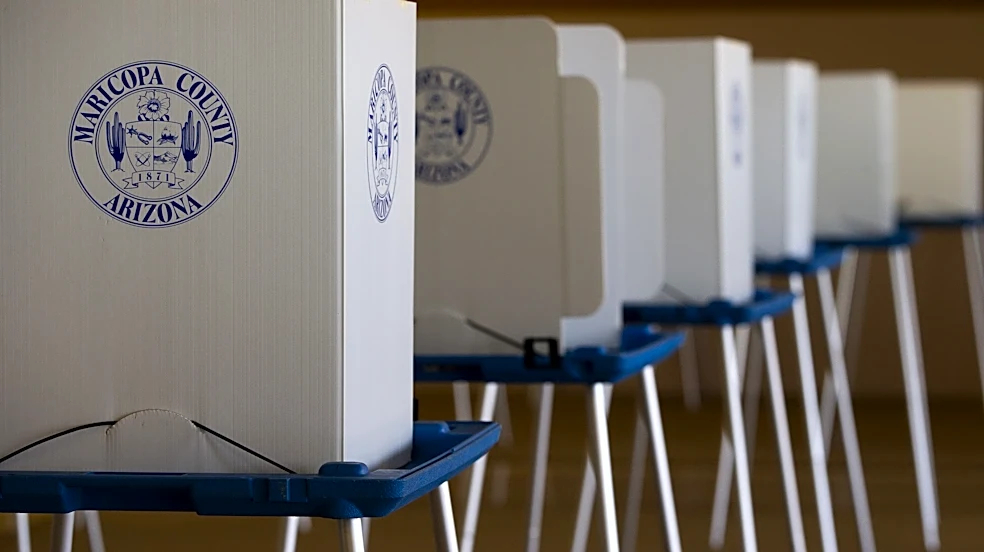
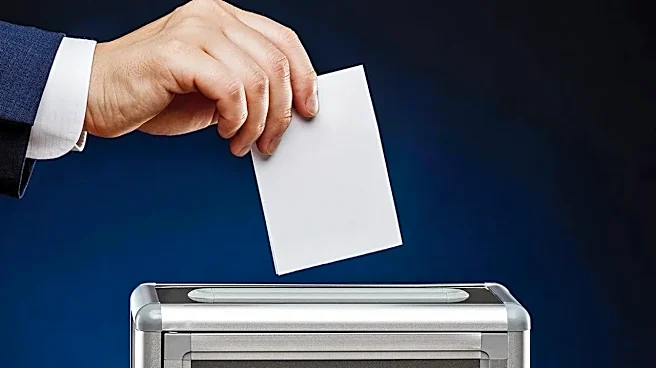
In Arizona, ballot drop boxes are a legal and widely used option for voters who receive a ballot by mail. According to the state's Election Procedures Manual, these boxes must be secure, clearly marked as official, and located in safe, public places like government buildings. They are locked until the early voting period begins, which is 27 days before an election, and are sealed promptly at 7:00 p.m. on Election Day. Importantly, voted ballots must be physically received by officials by this deadline; a postmark is not sufficient. To ensure security, drop boxes must be built to prevent tampering, and only designated, often bipartisan, teams of election officials are allowed to collect the ballots. Counties are required to publish a list of all official drop box locations
on their websites.
A Center of Political Controversy
Despite their widespread use, drop boxes have been at the heart of intense political and legal battles. The core of the debate centers on a clash between ensuring voter access and preventing potential fraud. Proponents argue that drop boxes are a convenient and essential service, especially for voters who may not trust mailing their ballot to arrive on time. Opponents, however, have raised concerns about security, particularly with unstaffed boxes, fueling unproven claims of illegal 'ballot harvesting'. This has led to legislative efforts to either ban them or impose stricter security measures, such as requiring 24/7 video surveillance for unmonitored locations, as proposed in bills like HB 2238. The debate has become highly partisan, creating confusion and mistrust around a routine part of the election process.
The Power Struggle in Maricopa County
Nowhere has this conflict been more visible than in Maricopa County, the state's most populous county. A protracted legal and political feud has raged between the County Recorder and the Board of Supervisors over who has the ultimate authority to establish and manage drop boxes. In mid-2026, a settlement was reached that gave the Recorder's office the power to select drop box locations, while the Board of Supervisors determines how many will be funded. This uneasy truce followed a period where the Recorder's office argued that only it had the authority to create 'early voting locations' like drop boxes, and even warned that election workers handling ballots from 'unauthorized' boxes could face felony charges. While the settlement provides a framework for the general election, the history of hostility between the two bodies means the practical number and placement of drop boxes could still depend on their ability to cooperate.
What This Means for Arizona Voters
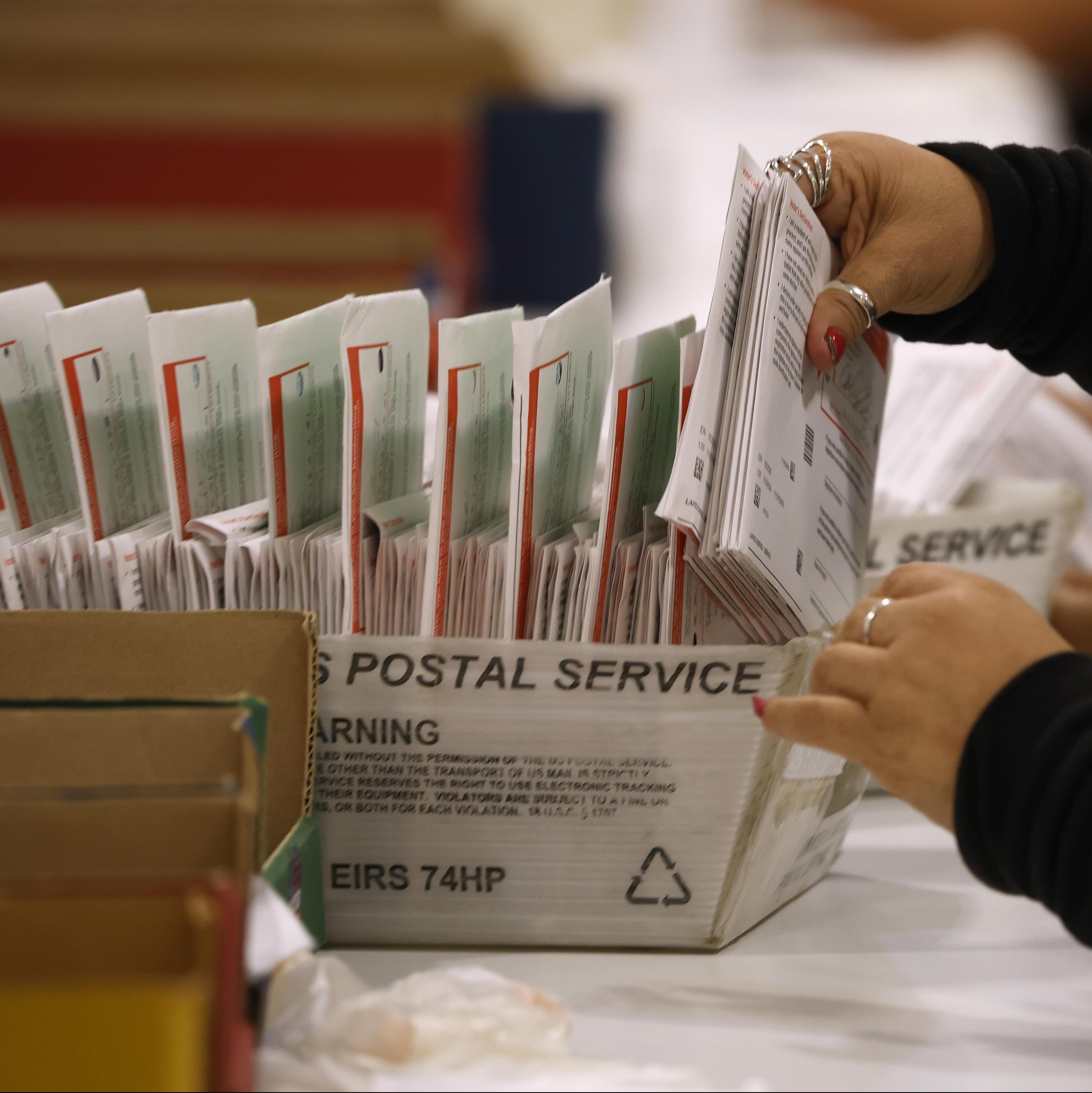
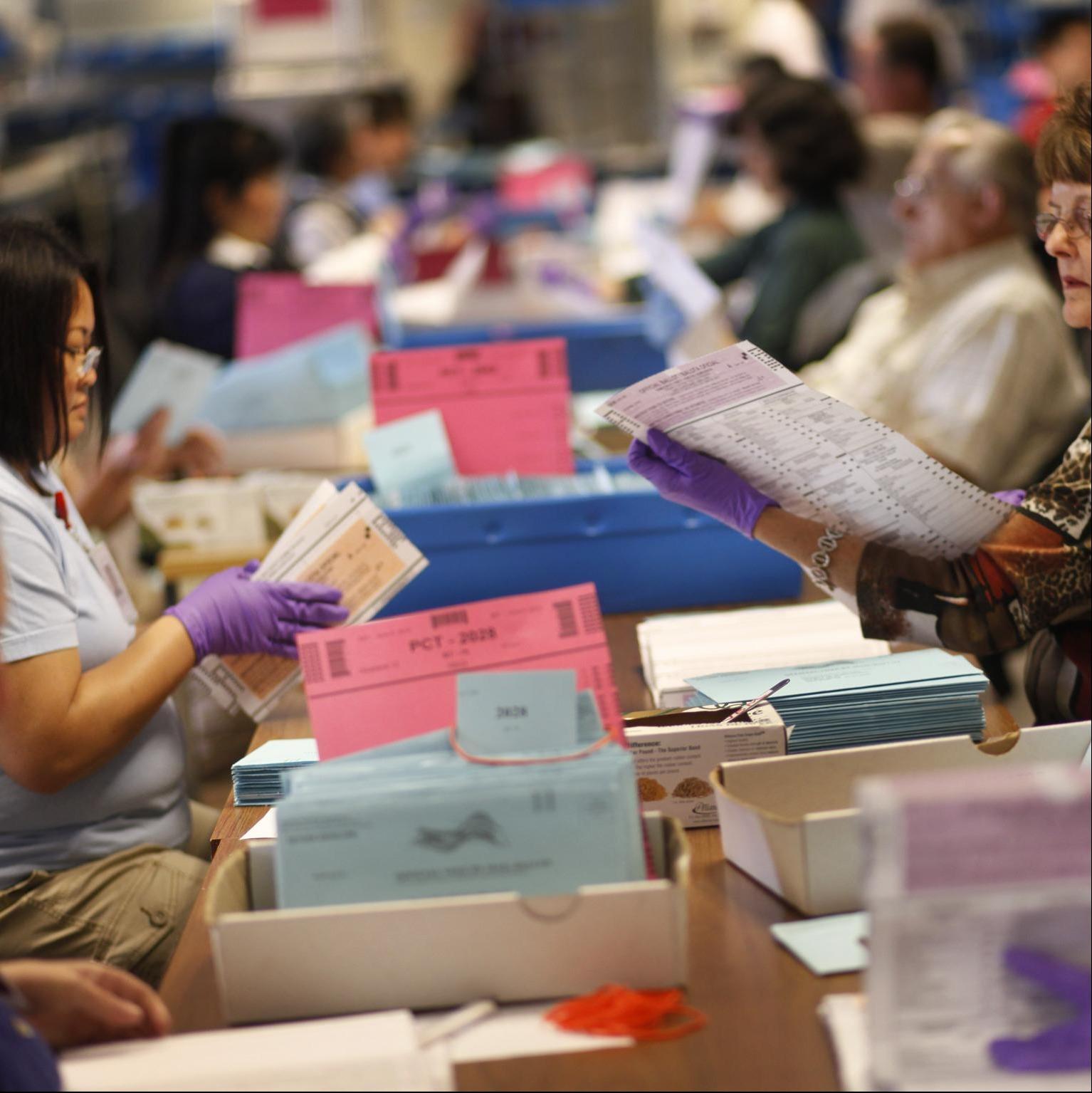
For the average voter, the message is simple: ballot drop boxes are a secure and legal way to cast your vote, but you must follow the rules. First, only use official drop boxes listed on your county recorder's website. Do not give your ballot to any person or organization offering to drop it off for you, unless they are a family member, household member, or caregiver as permitted by law. Second, remember the deadline: your ballot must be in the drop box by 7:00 p.m. on Election Day. If you are on the Active Early Voting List (AEVL), you will automatically receive a ballot in the mail. Be sure to sign the affidavit on the return envelope with a signature that matches the one on file with the county, as this is how your ballot is verified before being counted. Despite the political noise, the system is designed with multiple security checks to protect the integrity of your vote.