




The Missing or Incomplete Witness Signature
By far the most common reason for an absentee ballot to be rejected in Wisconsin is an issue with the witness certificate. State law requires that a witness—who must be a U.S. citizen aged 18 or older and not a candidate on the ballot—be present when you vote. This witness must then sign the official ballot envelope and provide their full address. Thousands of ballots have been thrown out because the witness's signature was missing, or they failed to include their complete address, including street number, street name, and city. In one past primary, this category of error, officially termed "certification insufficient," accounted for the majority of all rejections. While a 2024 court ruling clarified that minor witness address omissions shouldn't
disqualify a ballot, failing to have a witness sign at all remains a fatal flaw.
The Voter Forgot to Sign
Just as critical as the witness signature is the voter's own signature on the certificate envelope. Amid the multiple steps of sealing the ballot, placing it in the correct envelope, and getting a witness, it’s an easy detail to overlook. Yet, an unsigned voter certificate is an automatic cause for rejection. Election officials must be able to verify that the ballot was cast by the registered voter to whom it was issued. The signature is the primary way they do that. Before you seal the final envelope, it is crucial to double-check that you have signed in the designated spot. This simple step is one of the most effective ways to ensure your vote is counted.
The Ballot Arrived Too Late
Wisconsin law is strict: for an absentee ballot to be counted, it must be received by the municipal clerk by 8:00 p.m. on Election Day. A ballot postmarked by Election Day but arriving the next morning will not be counted. This deadline trips up many voters who may not account for mail delivery times. The U.S. Postal Service recommends voters mail their ballots back at least one week before Election Day to ensure timely delivery. Recent changes to USPS postmarking procedures—where the postmark might reflect the processing date rather than the drop-off date—add another layer of uncertainty for things like mailed voter registration, though for ballots, the 'received by' deadline remains the only one that matters. Voters can also return their ballots in person at their clerk's office or other designated drop-off locations to eliminate any risk of mail delays.
The Envelope Was Not Properly Sealed
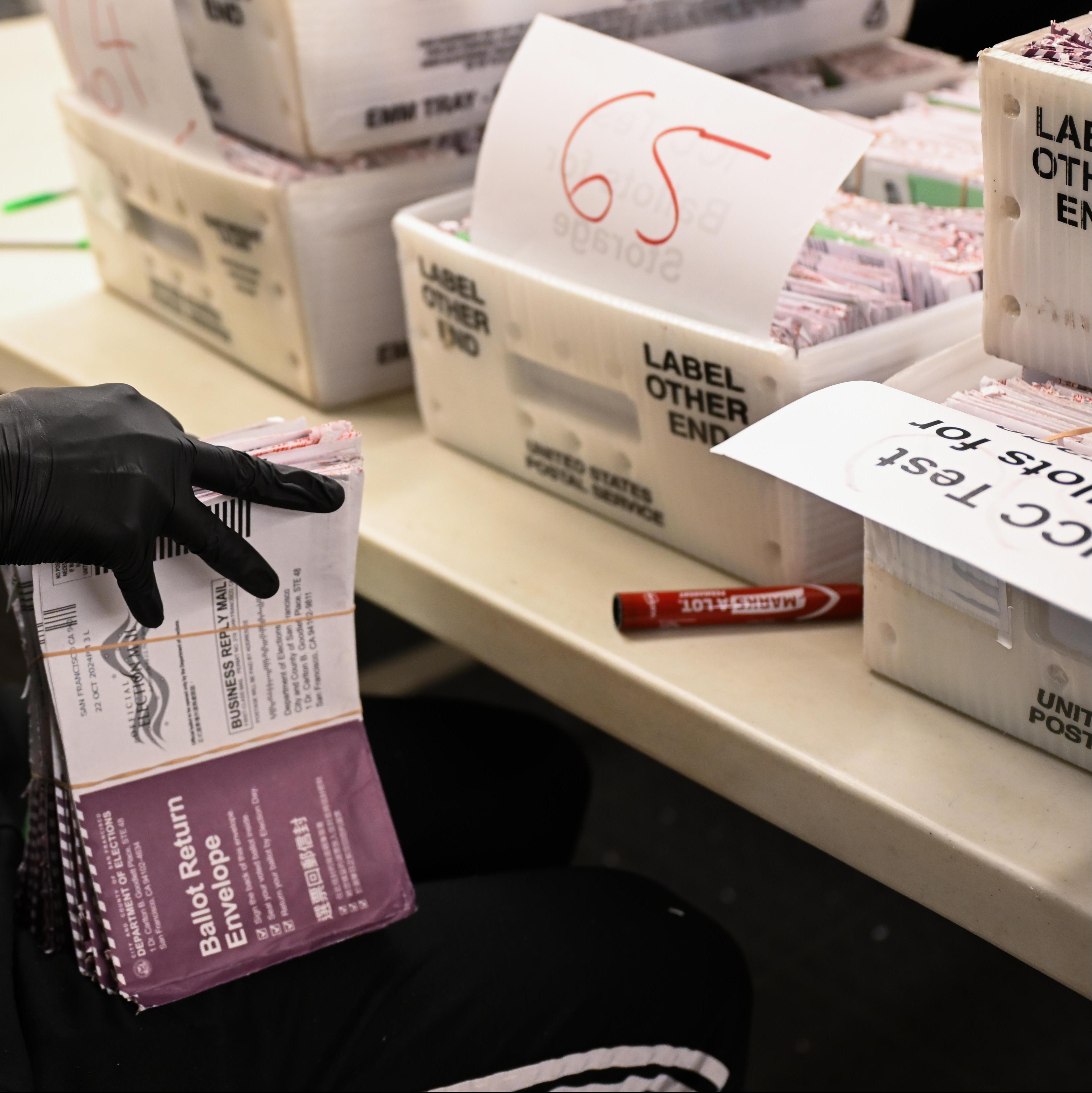
An absentee ballot must arrive in a securely sealed envelope. If the envelope is unsealed or appears to have been damaged and resealed, it can be rejected. This rule is in place to protect the integrity of the ballot and ensure it hasn't been tampered with after the voter has sealed it. Sometimes the adhesive on the provided envelope may not be strong enough. Voters should take care to press down firmly and, if necessary, use a small piece of tape to ensure a secure closure without obscuring any official text or barcodes on the envelope. It’s a simple physical detail that has significant consequences for ballot security and acceptance.
Issues with Voter Registration
A mail ballot can also be rejected if the voter is not properly registered at their current address. If you have moved, even just to a new apartment in the same building, you must update your voter registration before a ballot can be sent to you and counted. Writing a new address on the ballot envelope is not sufficient to update your registration. Before requesting an absentee ballot, it is essential to verify your registration status online through the MyVote Wisconsin website. If your information is out of date, you can update it online, by mail (well ahead of the deadline), or in person to ensure your absentee ballot request is valid from the start.