







How We Got Here: A Legal Rollercoaster
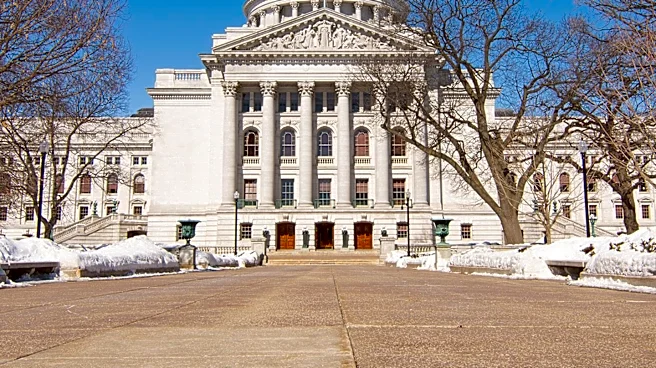
The use of absentee ballot drop boxes surged nationwide in 2020 as a public health measure, offering a secure way to vote without mailing or entering a crowded polling place. In Wisconsin, their use became an immediate political flashpoint. Legal challenges followed, culminating in a 2022 decision by the Wisconsin Supreme Court that effectively banned unstaffed drop boxes. The court's conservative majority at the time ruled that state law required absentee ballots to be returned in person by the voter to the municipal clerk's office or mailed. This ruling dramatically limited options for voters in the elections that followed. However, the legal battle wasn't over. Following a shift in the court's ideological balance, the issue was revisited.
In a landmark July 2024 decision, the new liberal majority overturned the 2022 ruling, once again making ballot drop boxes legal in Wisconsin. The court determined that state law does indeed grant municipal clerks the discretion to designate locations for ballot return, including secure drop boxes.
The Rules for November 2026
So, what does this back-and-forth mean for today? As of October 2026, absentee ballot drop boxes are legal and available for voters, but their presence is not uniform across the state. Municipal clerks have the authority to provide drop boxes, but they are not required to. This means availability can vary significantly from one city or county to the next. For example, the City of Milwaukee has embraced their use, rolling out 14 secure, 24/7 drop boxes at locations like public libraries for the current election cycle. These boxes are under video surveillance and are managed by trained election officials. However, in other municipalities, voters may find fewer options or none at all. The key takeaway for voters is to check directly with their local municipal clerk for the most accurate information on available drop box locations and hours. All absentee ballots, whether returned by mail or to a drop box, must be received by 8:00 p.m. on Election Day, November 3, 2026, to be counted.
The Arguments Driving the Debate
The fight over drop boxes reflects a deeper partisan divide on voting. Republicans and conservative groups have argued that limiting ballot return options to only the clerk's office or the mail is crucial for election security. They contend that a strict interpretation of the law prevents potential fraud and what they term 'ballot harvesting', where third parties collect and submit multiple ballots. The 2022 court ruling that banned drop boxes was seen by supporters as a necessary step to protect the integrity of the vote. On the other side, Democrats and voting rights advocates argue that drop boxes are essential for ensuring voter access. They emphasize that these secure containers provide a convenient and necessary option for voters who may work inflexible hours, have disabilities, or lack reliable mail service. They point to the record-breaking turnout in 2020 as evidence that accessible voting methods increase participation without compromising security. For them, the 2024 decision reinstating drop boxes was a major victory for democracy.
What This Means for Wisconsin Voters
In this polarized environment, the responsibility falls on individual voters to be prepared. With the rules now legally settled—for the moment—the most important step is to make a voting plan. First, confirm your registration status online. If you plan to vote absentee, request your ballot as early as possible. The deadline for most voters to request an absentee ballot is October 29, 2026. Once you receive your ballot, complete it carefully, ensuring you have a witness sign the envelope. When it comes to returning it, do not wait until the last minute. While mailing is an option, election officials recommend returning your ballot in person if Election Day is near to avoid any risk of mail delays. This can be done at your municipal clerk's office, an early voting site, or an available secure drop box. Always verify locations and hours with your local clerk, as they can vary widely.