


What is the story about?
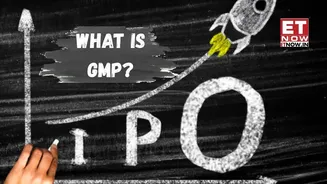
IPO GMP: The IPO grey market is an unofficial parallel marketplace where investors trade shares or IPO applications before listing. GMP refers to the premium
buyers are willing to pay, offering an informal indication of potential listing prices. These transactions aren't supported or regulated by any third-party entities like Stock Exchanges or SEBI. GMP, in simple terms, is the additional money investors are ready to pay for any IPO share in the unofficial market, before the share officially lists on the share market indices. It helps investors to get an idea of listing price of the said share, though it is not an official parameter.
How IPO shares are bought and sold in the Grey Market?
- The grey market functions through unofficial broker networks that match buyers and sellers, with brokers charging a commission for facilitating these trades.
- With no regulatory oversight, grey market transactions depend entirely on mutual trust, and payments are frequently made in cash to ensure anonymity.
- Investors can sell their IPO applications before the allotment results. Buyers pay a premium for the application, speculating on a successful allotment.
- After allotment but before listing, investors can sell their allocated shares at a premium. The transfer is completed once the shares are officially listed, though the transaction is agreed upon in advance.
- Pricing is driven entirely by demand and supply, with highly subscribed IPOs usually attracting higher premiums.
Is there any formula to calculate GMP?
The answer is no, there is no set method or formula for calculating the IPO GMP. GMP is influenced by the level of subscription, the demand and supply of IPO shares, and overall market sentiment -- which in general means, when IPO demand is high -- the GMP stands higher and when IPO demand is low -- the GMP stands lower.However, at times, GMP may remain slightly low despite high subscription figures due to negative news surrounding the company or weak market sentiment.
What is IPO?
Initial public offering or IPO is a widely known term. It is used when a private company sells shares of its stock to the public on a stock exchange for the first time. Commonly people call it "going public" -- means that the company's ownership has been transitioned from private to public. Companies look at the IPO as an opportunity to raise capital, which may be utilised for growth, pay off debt or any other purpose.IPO enables private investors -- such as founders, angel investors, and family members, to cash out, often unlocking returns on their investment. However, bringing on an IPO is not that simple. An IPO involves a process where an underwriting investment bank or a group of banks assists the company in preparing for the offering, filing paperwork and financial disclosures with the Securities and Exchange Commission (SEC), drafting a prospectus, conducting a roadshow to generate investor interest, and handling many other tasks.
Once the IPO is launched, the general public can place bids for the issue and await the allotment. Here comes a curiosity, and people rely on Grey Market Premium (GMP) to get an idea of the potential listing price of the shares of the company whose IPO they have subscribed to. However, GMP is not an official parameter or metric to accurately gauge the listing price prediction.
(Disclaimer: The above article is meant for informational purposes only, and should not be considered as any investment advice. ET NOW DIGITAL suggests its readers/audience to consult their financial advisors before making any money related decisions.)