




What is the story about?

DUBAI, United Arab Emirates (AP) — The U.S. military announced on Wednesday that it has completed airstrikes on Iran in response to the crash of an American
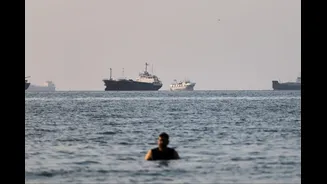
helicopter off Oman, which officials attributed to actions by Tehran. The Central Command of the U.S. military stated that it targeted Iranian air defense systems, ground control stations, and surveillance radar sites near the Strait of Hormuz using precision munitions. The operation involved U.S. Air Force and Navy fighter jets.
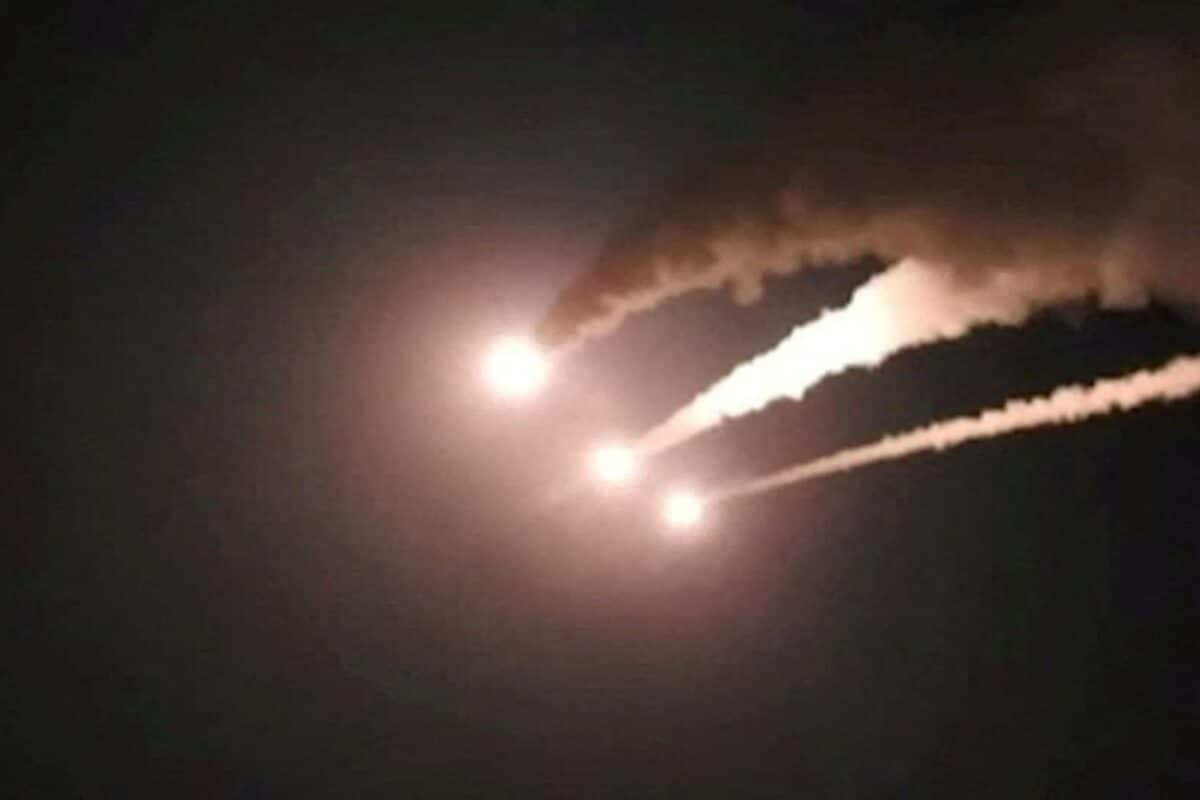
Iran confirmed the strikes around Bandar Abbas but did not provide specific details regarding the damage incurred. This incident follows a statement from U.S. President Donald Trump, who asserted that Iran was responsible for the helicopter's downing while it patrolled the strait and indicated that the U.S. 'must, of necessity, respond to this attack.'The U.S. Central Command characterized the airstrikes as 'a proportional response to unjustified Iranian aggression,' which Iranian state media reported led to explosions heard on Qeshm Island, a critical shipping route that Iran has effectively closed during ongoing hostilities. Trump’s remarks ignited a vow from Iranian officials to retaliate, with Foreign Minister Abbas Araghchi asserting that Iranian forces 'will leave no attack or threat unanswered.' He warned foreign military forces near Iran's borders of potential risks, urging them to withdraw for their own safety.
The downing of the helicopter, along with the U.S. strikes, further escalated tensions, undermining a two-month ceasefire that had only recently taken effect. This occurred a day after exchanges of fire between Iran and Israel, which reportedly resulted in casualties among Iran's air-defense personnel. The ongoing conflict has significantly impacted the global economy, contributing to rising energy prices and escalating costs for essential goods.
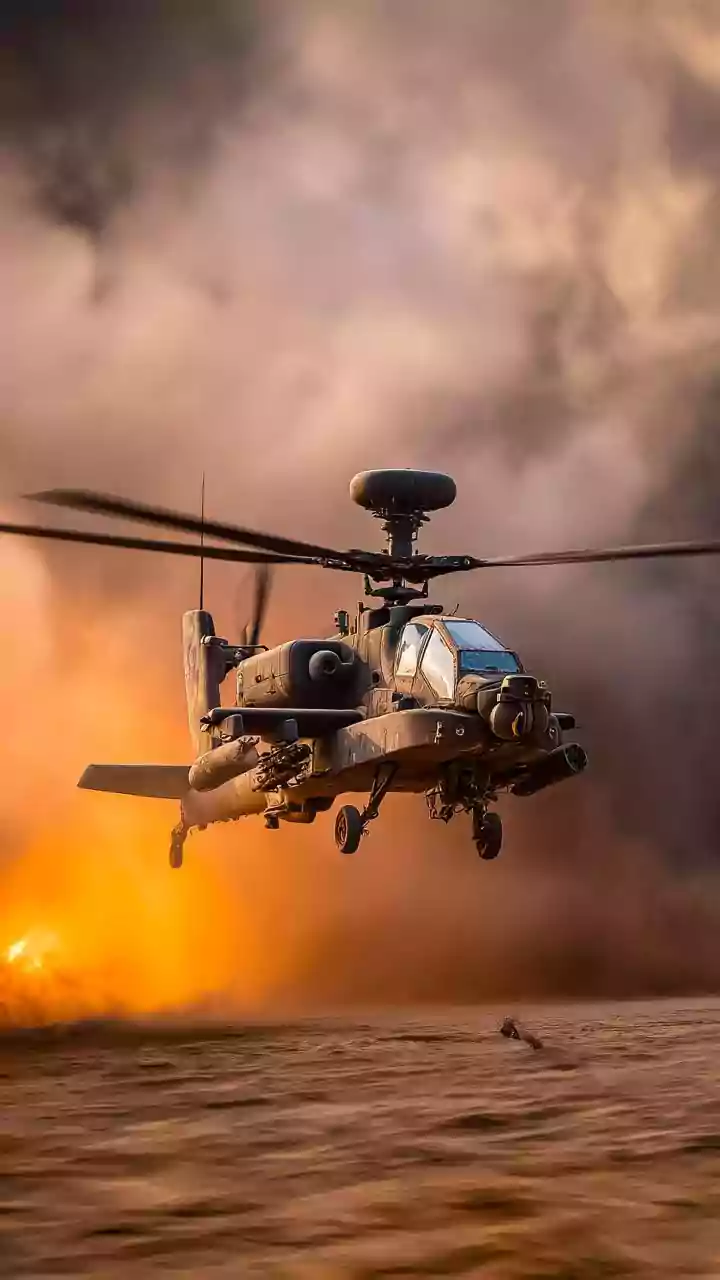
Despite efforts to negotiate a permanent resolution, officials have struggled to solidify a ceasefire, particularly as Israel intensifies military actions against Hezbollah in Lebanon. The U.S. Army AH-64 Apache helicopter crashed after colliding with an Iranian drone, according to an unnamed U.S. official, who noted that the incident remains under investigation.
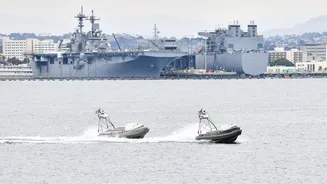
In a notable operation, a drone boat successfully rescued two aviators approximately two hours after the crash, marking the first known rescue of this kind by the U.S. military. Both service members were reported to be safe and unharmed, with the drone boat transporting them to a nearby helicopter for further assistance. Capt. Tim Hawkins, a spokesperson for U.S. Central Command, confirmed the details of the rescue operation.
AH-64 Apache helicopters have played a crucial role in enforcing a blockade on Iranian oil shipments, pressuring Tehran for a diplomatic resolution. The drone involved in the rescue was identified as a Corsair, a 24-foot vessel manufactured by Saronic Technologies, and is part of the Navy's Task Force 59, which focuses on maritime security in the Middle East.
Following Trump's accusations against Iran, Araghchi reiterated that the Strait of Hormuz is 'thousands of miles away from U.S. shores,' emphasizing the risks posed to foreign military forces operating near Iranian territory.
Prior to the accusations regarding the helicopter incident, Trump had expressed optimism about ongoing negotiations with Iran, stating that a deal could be finalized within days. However, he did not elaborate on the basis for this optimism. Mediators, primarily from Pakistan, have been attempting to bridge the gap between the two nations, but both sides have maintained rigid stances.
The U.S. seeks to have Iran relinquish its stockpile of highly enriched uranium, a demand that Iran has rejected while insisting on relief from sanctions and the release of frozen assets prior to any final agreement. Meanwhile, the ongoing conflict between Israel and Hezbollah remains a significant priority for Iran, as evidenced by recent diplomatic engagements involving Lebanon's military leadership.
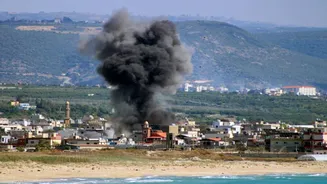
In a separate development, the Israeli military issued evacuation warnings for the southern Lebanese port city of Tyre, particularly targeting the Christian quarter, which had previously been shielded from airstrikes. The Israeli military has indicated that it believes Hezbollah operatives may be present in these neighborhoods, prompting increased military scrutiny.
After issuing warnings, the Lebanese army deployed personnel to the Christian district of Tyre to deter potential Israeli strikes and to affirm that Hezbollah has no armed presence in the area. The Israeli military has stated that it may need to take action against perceived terrorist activities in the neighborhood.
This report has been corrected to clarify that the rescue of the two aviators, not the helicopter crash, occurred at 3:30 a.m. local time.
Reporting contributed by Michelle L. Price in New York, Will Weissert in Washington, Bassem Mroue in Beirut, Munir Ahmed in Islamabad, and Russ Bynum in Savannah, Georgia.