





What is the story about?

WASHINGTON (AP) — A first-of-its-kind drug for hepatitis B is allowing some patients to discontinue treatment without detectable signs of the dangerous
liver virus, achieving what researchers term a 'functional cure.' In two international studies, approximately 20% of patients administered the experimental drug experienced a reduction in the virus to levels manageable by the immune system.
Dr. Seng Gee Lim of the National University Health System in Singapore, who co-led the GSK-funded studies, stated, 'We have not had a treatment which has come to this level of cure,' during a press briefing prior to presenting the findings at a scientific meeting in Barcelona, Spain.The findings were also published in the New England Journal of Medicine on the same day. Chronic hepatitis B can lead to severe health issues, including liver cancer and liver failure, resulting in approximately 1.1 million deaths globally each year. Researchers have sought advancements in long-term therapies, which can often be challenging to maintain or access in various regions.
Dr. Anna Lok, a hepatitis expert at the University of Michigan who was not involved in the research, remarked in the journal that the new findings 'represent a major step,' but emphasized the need for further investigation to understand the duration of this remission-like state.
The drug, known as bepirovirsen or 'bepi,' was developed by GSK and Ionis Pharmaceuticals and is currently undergoing fast-track review by the U.S. Food and Drug Administration, with a decision anticipated in October. Regulatory bodies in Japan, China, and Europe are also evaluating the drug.
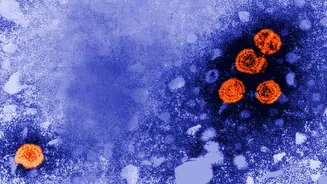
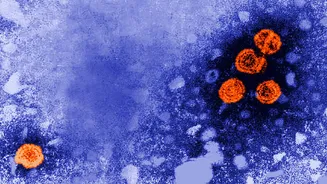
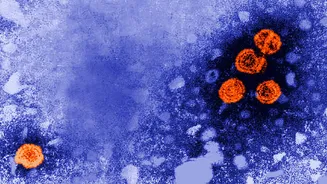
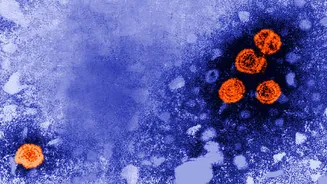
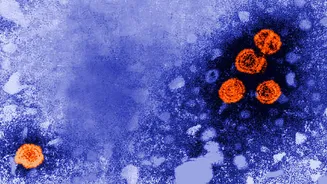
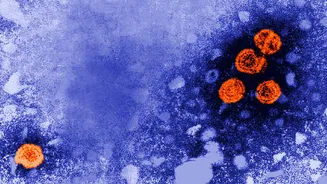
Hepatitis B is a serious infection transmitted through contact with blood or bodily fluids, including during childbirth. A highly effective vaccine exists to prevent the disease, and while many individuals experience an acute illness lasting several months, approximately 1.7 million people in the U.S. and over 250 million worldwide develop a chronic form that progressively harms the liver.
Standard treatments, including daily pills, help reduce viral levels and avert liver damage. However, achieving a true cure has proven elusive due to the virus's ability to remain dormant in the body, ready to reactivate once treatment ceases.
The new drug targets hepatitis B by binding to its genetic material, suppressing viral replication, inhibiting a key surface protein, and stimulating the immune system, according to GSK vice president Melanie Paff.
The trials involved 1,838 patients who received either a bepi injection or a placebo weekly for six months, alongside their regular antiviral medications. If their virus remained undetectable for six months after stopping the injections, they could also discontinue their regular medications. Approximately 20% of those receiving bepi maintained undetectable viral levels for an additional six months after ceasing all treatment, achieving the 'functional cure' that was not observed in patients receiving the placebo, the researchers reported.
Patients who began the study with lower levels of the S protein were slightly more likely to attain a functional cure, Lim noted, adding that he is conducting further research to understand why the treatment's effectiveness varies among individuals.
Regarding the sustainability of the functional cure, GSK has monitored a small cohort of patients from earlier studies, finding that most continue to do well up to three years later, Paff stated.
Lim indicated that side effects included mild redness or pain at the injection site and a temporary increase in liver enzymes that could signify liver stress.
Lok pointed out that the trials did not include patients with cirrhosis, elevated S protein levels, or other complicating health factors.
The Associated Press Health and Science Department receives support from the Howard Hughes Medical Institute’s Department of Science Education and the Robert Wood Johnson Foundation. The AP is solely responsible for all content.