







What is the story about?
India’s consumption credit market showed early signs of recovery in the first half of FY26, though credit card issuance and growth remained an outlier, according to a thematic report by JM Financial Institutional Securities.
In its report titled “Consumption Credit Landscape – II | Growth picks up; Pvt banks continue losing market share across key segments”, the brokerage said disbursement growth improved across most consumption-linked loan segments in first half of FY26 and the September quarter, reversing the weakness seen in FY25.
However,credit cards continued to witness moderation, reflecting a more cautious approach by lenders in unsecured retail credit.
The report, based on bureau data from CRIF Highmark, noted that overall disbursement growth across consumption segments ranged between 6% and 35% year-on-year in the September quarter of FY26, compared with contraction or low single-digit growth during FY25. JM Financial said this recovery could support loan growth in FY27 if trends sustain.
Credit card growth lags recovery
Unlike other unsecured segments, credit cards saw a sharp slowdown in new issuances. New credit card additions declined 28% year-on-year in the September quarter of FY26, resulting in a modest 6% growth in cards in circulation, down from 7% growth in FY25.
Private sector banks continued to dominate the segment, accounting for nearly 78% of new card issuances during the quarter. In terms of spending market share, HDFC Bank and SBI Cards gained share in FY26 year-to-date compared with FY25, the report said.
Asset quality trends in credit cards showed mixed signals. While early delinquencies improved, with a 40 basis point sequential decline in PAR 1–30, stress in the PAR 31–90 bucket increased for private banks compared with FY25 levels, indicating lingering risks in portions of the unsecured borrower base.
Personal loans and consumer durables rebound
In contrast, personal loans saw a strong recovery. Disbursements rose 23% year-on-year in the first half and 35% in the September quarter of FY26, reversing the decline recorded in FY25. Public sector banks led the recovery, supported by a sharp increase in average ticket sizes, while asset quality improved across lenders and borrower categories.
Consumer durable loans also rebounded, with disbursements growing 12% in the first half and 19% in the September quarter. Private banks regained market share in this segment, though asset quality trends remained mixed, with a rise in longer-tenure delinquencies despite improvement in early buckets.
PSBs gain ground in secured lending
The report highlighted a steady shift in market share towards public sector banks across secured lending segments. Home loan disbursements grew 11% in the first half of FY26, with PSBs accounting for half of origination value. Growth skewed towards higher-ticket loans, reflecting rising residential property prices, while smaller ticket segments showed early signs of stress.
Auto loans and two-wheeler loans also recorded modest improvement in disbursement growth, though asset quality weakened in auto loans, particularly for NBFCs and lower ticket sizes.
Lenders turn cautious on new-to-credit borrowers
JM Financial noted a broad-based decline in new-to-credit (NTC) borrower share across segments, especially in personal loans, two-wheelers and consumer durables. This trend points to lenders prioritising seasoned borrowers amid concerns around unsecured credit quality.
“Early delinquencies have either improved or remained stable across most segments, except auto loans driven by NBFCs,” the report said, adding that cautious underwriting remains evident.
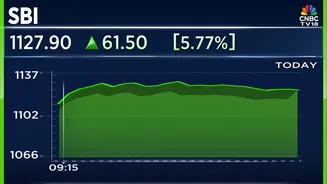
The brokerage said it remains selective on financial stocks, preferring ICICI Bank, Axis Bank, SBI, City Union Bank and DCB Bank among banks, and Aditya Birla Capital, Shriram Housing Finance, PNB Housing Finance and Aadhar Housing Finance among NBFCs and HFCs.
In its report titled “Consumption Credit Landscape – II | Growth picks up; Pvt banks continue losing market share across key segments”, the brokerage said disbursement growth improved across most consumption-linked loan segments in first half of FY26 and the September quarter, reversing the weakness seen in FY25.
However,credit cards continued to witness moderation, reflecting a more cautious approach by lenders in unsecured retail credit.
The report, based on bureau data from CRIF Highmark, noted that overall disbursement growth across consumption segments ranged between 6% and 35% year-on-year in the September quarter of FY26, compared with contraction or low single-digit growth during FY25. JM Financial said this recovery could support loan growth in FY27 if trends sustain.
Credit card growth lags recovery
Unlike other unsecured segments, credit cards saw a sharp slowdown in new issuances. New credit card additions declined 28% year-on-year in the September quarter of FY26, resulting in a modest 6% growth in cards in circulation, down from 7% growth in FY25.
Private sector banks continued to dominate the segment, accounting for nearly 78% of new card issuances during the quarter. In terms of spending market share, HDFC Bank and SBI Cards gained share in FY26 year-to-date compared with FY25, the report said.
Asset quality trends in credit cards showed mixed signals. While early delinquencies improved, with a 40 basis point sequential decline in PAR 1–30, stress in the PAR 31–90 bucket increased for private banks compared with FY25 levels, indicating lingering risks in portions of the unsecured borrower base.
Personal loans and consumer durables rebound
In contrast, personal loans saw a strong recovery. Disbursements rose 23% year-on-year in the first half and 35% in the September quarter of FY26, reversing the decline recorded in FY25. Public sector banks led the recovery, supported by a sharp increase in average ticket sizes, while asset quality improved across lenders and borrower categories.
Consumer durable loans also rebounded, with disbursements growing 12% in the first half and 19% in the September quarter. Private banks regained market share in this segment, though asset quality trends remained mixed, with a rise in longer-tenure delinquencies despite improvement in early buckets.
PSBs gain ground in secured lending
The report highlighted a steady shift in market share towards public sector banks across secured lending segments. Home loan disbursements grew 11% in the first half of FY26, with PSBs accounting for half of origination value. Growth skewed towards higher-ticket loans, reflecting rising residential property prices, while smaller ticket segments showed early signs of stress.
Auto loans and two-wheeler loans also recorded modest improvement in disbursement growth, though asset quality weakened in auto loans, particularly for NBFCs and lower ticket sizes.
Lenders turn cautious on new-to-credit borrowers
JM Financial noted a broad-based decline in new-to-credit (NTC) borrower share across segments, especially in personal loans, two-wheelers and consumer durables. This trend points to lenders prioritising seasoned borrowers amid concerns around unsecured credit quality.
“Early delinquencies have either improved or remained stable across most segments, except auto loans driven by NBFCs,” the report said, adding that cautious underwriting remains evident.
The brokerage said it remains selective on financial stocks, preferring ICICI Bank, Axis Bank, SBI, City Union Bank and DCB Bank among banks, and Aditya Birla Capital, Shriram Housing Finance, PNB Housing Finance and Aadhar Housing Finance among NBFCs and HFCs.