








What is the story about?
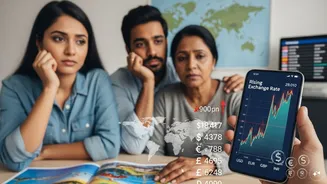
Indian travellers are becoming more confident about overseas trips, but managing money abroad remains their biggest source of anxiety, according to a new study by Wise, a global financial technology company.
The Passport & Paisa: India Travel Money Report 2026 found that nearly 78% of Indians plan to increase international travel spending following the recent reduction in Tax Collected at Source (TCS) on overseas travel. However, despite rising intent to travel, budgeting concerns continue to dominate decision-making.
The report, based on a survey of over 1,050 Indian international travellers, found that managing travel budgets ranks as the top anxiety, ahead of visa delays, flight disruptions, language barriers and connectivity issues.
A key concern islack of clarity around foreign exchange costs. While travellers actively compare flight and hotel prices, many say they do not clearly understand the exchange rate or hidden markups applied when spending abroad.
“Indian travellers are becoming more global, but the way they spend abroad is still catching up,” said Taneia Bhardwaj, South Asia Expansion Lead at Wise. “People care deeply about their travel budgets, but often have very little visibility into the exchange rate or markup applied when they pay overseas.”
The study highlights that hidden exchange rate markups and non-transparent pricing are the top two forex frustrations, followed by difficulty comparing rates across providers.
Despite India’s digital payments push, 38% of travellers still exchange cash before departure, making it the most widely used method for managing foreign currency. International debit and credit cards follow, while digital multi-currency accounts account for just 9%.
Reliability remains the most important factor when choosing a travel card. The report found that global acceptance of cards ranks higher than perks such as lounge access, rewards or eSIM benefits.
Southeast Asia remains India’s top overseas destination at 34%, followed by Europe and the West Asia.
The Passport & Paisa: India Travel Money Report 2026 found that nearly 78% of Indians plan to increase international travel spending following the recent reduction in Tax Collected at Source (TCS) on overseas travel. However, despite rising intent to travel, budgeting concerns continue to dominate decision-making.
The report, based on a survey of over 1,050 Indian international travellers, found that managing travel budgets ranks as the top anxiety, ahead of visa delays, flight disruptions, language barriers and connectivity issues.
A key concern islack of clarity around foreign exchange costs. While travellers actively compare flight and hotel prices, many say they do not clearly understand the exchange rate or hidden markups applied when spending abroad.
“Indian travellers are becoming more global, but the way they spend abroad is still catching up,” said Taneia Bhardwaj, South Asia Expansion Lead at Wise. “People care deeply about their travel budgets, but often have very little visibility into the exchange rate or markup applied when they pay overseas.”
The study highlights that hidden exchange rate markups and non-transparent pricing are the top two forex frustrations, followed by difficulty comparing rates across providers.
Despite India’s digital payments push, 38% of travellers still exchange cash before departure, making it the most widely used method for managing foreign currency. International debit and credit cards follow, while digital multi-currency accounts account for just 9%.
Reliability remains the most important factor when choosing a travel card. The report found that global acceptance of cards ranks higher than perks such as lounge access, rewards or eSIM benefits.
Southeast Asia remains India’s top overseas destination at 34%, followed by Europe and the West Asia.