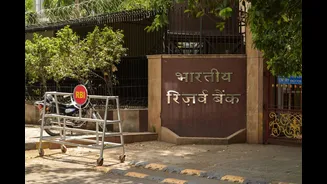

The Reserve Bank of India (RBI) has postponed the rollout of Phase 2 of its faster cheque clearance framework, which was scheduled to come into effect
from January 3, 2026. The central bank said the second phase of the Continuous Clearing and Settlement (CCS) system has been deferred until further notice.
The announcement was made through a circular issued on December 24. Meanwhile, Phase 1 of the CCS framework will continue to operate as usual.
What Phase 2 was meant to change
Under the proposed Phase 2, banks would have been required to approve or reject cheques within three hours of receiving their digital images. If a bank failed to respond within this time frame, the cheque would have been automatically approved and settled.
The tighter timeline was aimed at further speeding up cheque clearance and ensuring faster credit of funds to customers.
Revised working hours for cheque processing
Along with deferring Phase 2, the RBI has revised the working hours for cheque processing.
The cheque presentation window will now be open from 9 am to 3 pm.
Banks will be able to confirm or reject cheques between 9 am and 7 pm.
These revised timings will apply under the existing Phase 1 framework.
What changed earlier: Phase 1 of CCS
The RBI introduced the Continuous Clearing and Settlement (CCS) system under the Cheque Truncation System (CTS) to move away from the traditional batch-based cheque clearing process.
Under CTS, cheques are cleared using digital images and electronic data, eliminating the need for the physical movement of cheques between banks.
From October 4, 2025, Phase 1 brought in a single, continuous presentation window during the day. Banks scan cheques as they receive them and send the images along with MICR data to the clearing house in real time, rather than waiting for fixed clearing batches.
Once the drawee bank receives the cheque image, it electronically confirms or rejects the transaction. If no response is sent by the end of the confirmation window, the cheque is deemed approved and settled.
What the postponement means
With Phase 2 now delayed, the most time-sensitive element of the new cheque clearance system will take longer to be implemented. Cheque processing will continue under the Phase 1 mechanism, without the mandatory three-hour approval deadline.
The RBI said it will announce a fresh date for Phase 2 separately.