
UPI transactions increased to 59.33 billion during the quarter, while transaction value rose 21% to ₹74.84 trillion. Person-to-merchant payments continued to drive growth, reflecting UPI’s growing role in everyday retail transactions. P2M volumes rose 35% to 37.46 billion, outpacing person-to-person transfers, which grew 29% to 21.65 billion.
The average UPI ticket size declined to ₹1,262 from ₹1,363 a year earlier, indicating higher usage for low-value payments such as transport, food services, healthcare essentials and local commerce.
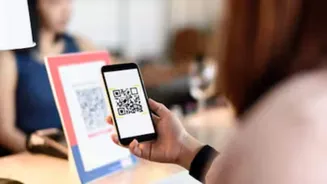
QR-based acceptance continued to scale up across the country. India added significantly to its UPI QR footprint, taking the total to 709 million active codes, a 21% increase since July 2024. The expansion of QR acceptance across kirana stores, pharmacies, transport hubs and smaller towns has strengthened scan-and-pay as a default payment option.
Physical payment infrastructure also expanded during the period. Point-of-sale terminals grew 35% year-on-year to 12.12 million between July 2024 and July 2025. Bharat QR volumes stood at 6.10 million, with adoption moderating as merchants increasingly shifted toward UPI QR codes. Private banks continued to dominate merchant acquisition, accounting for about 84% of total acceptance deployment.
Cards retained their role in higher-value spending. Credit card issuance rose 35% year-on-year to 113.39 million, while debit cards stood at 1.02 billion and prepaid cards at 470.1 million. Credit card transaction volumes increased 26% to 1.45 billion, with transaction value reaching ₹4.08 trillion. Debit card usage declined 25%, reflecting a migration of smaller payments to UPI.
At physical terminals, total PoS card transactions reached 1.18 billion, with transaction value rising to ₹2.90 trillion. Credit card spending at PoS terminals grew 16%, led by categories such as fashion, travel and wellness. Online card transactions increased 29% to 1.13 billion, with credit cards accounting for ₹3.86 trillion in transaction value.
Worldline said mobile-led and contactless payments continued to gain traction, particularly across metros, transit systems and quick-service retail outlets, supporting faster checkout and higher transaction throughput.
Looking ahead, the company expects interoperable QR payments and credit-on-UPI to gain wider adoption in the coming quarters, alongside deeper digital penetration in semi-urban centres and smaller towns.