






What is the story about?
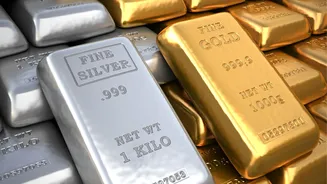
Gold and silver prices were little changed in early trade on Wednesday (March 11) as investors weighed mixed signals from US officials on the ongoing conflict in the West Asia and its implications for energy markets and inflation.
On the COMEX, gold was trading at $5,224.40 an ounce, down $17.70 or 0.34%, while COMEX silver fell 0.75% to $88.92 an ounce.
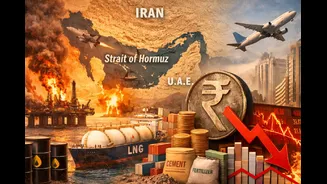
The precious metals market has remained volatile as developments in the West Asia continue to influence oil prices and global risk sentiment. The White House said the United States had not escorted an oil tanker through the Strait of Hormuz, contradicting an earlier social media post by US Energy Secretary Chris Wright, which was later deleted.
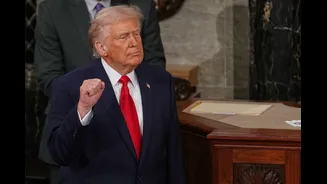
The conflict, now in its 12th day, has disrupted crude production and refining activity across parts of the West Asia. The Pentagon said the US and Israel carried out their most intense attacks yet against Iran and indicated operations would continue until Iran is defeated, signalling a more aggressive stance after Donald Trump earlier suggested the conflict might end soon.
Inflation concerns shape gold outlook
The rise in energy prices has revived concerns about inflation, which in turn may influence the interest-rate outlook. Higher inflation expectations could make central banks, including the Federal Reserve, cautious about cutting interest rates.
For gold, this dynamic creates mixed forces. While geopolitical uncertainty typically supports safe-haven demand, higher interest rates tend to weigh on bullion because it does not generate interest income.
Despite recent fluctuations, gold has gained around 20% so far this year, supported by geopolitical tensions and investor demand for safe assets. However, bullion is also sometimes sold during market stress as investors raise cash to support other parts of their portfolios.
Profit-booking visible in ETF flows
Recent investment data suggests some investors are locking in gains after the rally. Holdings in gold-backed exchange-traded funds declined sharply last week, with total holdings falling by nearly 30 tonnes, marking the biggest weekly outflow in more than two years.
In India, mutual fund data also indicates a cooling in demand for gold-linked products.
According to the Association of Mutual Funds in India (AMFI),inflows into gold ETFs dropped significantly in February, reflecting profit-booking by investors.
“The sharp fall in gold ETF inflows suggests investors may be booking profits after the strong run-up in bullion prices, even though geopolitical risks remain elevated,” said Suranjana Borthakur, Head of Distribution & Strategic Alliances, Mirae Asset Investment Managers (India).
Analysts say the near-term direction for gold and silver will likely depend on developments in the West Asia conflict, movements in crude oil prices, and signals from the Federal Reserve on the interest-rate trajectory.
-With Bloomberg inputs
On the COMEX, gold was trading at $5,224.40 an ounce, down $17.70 or 0.34%, while COMEX silver fell 0.75% to $88.92 an ounce.
The precious metals market has remained volatile as developments in the West Asia continue to influence oil prices and global risk sentiment. The White House said the United States had not escorted an oil tanker through the Strait of Hormuz, contradicting an earlier social media post by US Energy Secretary Chris Wright, which was later deleted.
The conflict, now in its 12th day, has disrupted crude production and refining activity across parts of the West Asia. The Pentagon said the US and Israel carried out their most intense attacks yet against Iran and indicated operations would continue until Iran is defeated, signalling a more aggressive stance after Donald Trump earlier suggested the conflict might end soon.
Inflation concerns shape gold outlook
The rise in energy prices has revived concerns about inflation, which in turn may influence the interest-rate outlook. Higher inflation expectations could make central banks, including the Federal Reserve, cautious about cutting interest rates.
For gold, this dynamic creates mixed forces. While geopolitical uncertainty typically supports safe-haven demand, higher interest rates tend to weigh on bullion because it does not generate interest income.
Despite recent fluctuations, gold has gained around 20% so far this year, supported by geopolitical tensions and investor demand for safe assets. However, bullion is also sometimes sold during market stress as investors raise cash to support other parts of their portfolios.
Profit-booking visible in ETF flows
Recent investment data suggests some investors are locking in gains after the rally. Holdings in gold-backed exchange-traded funds declined sharply last week, with total holdings falling by nearly 30 tonnes, marking the biggest weekly outflow in more than two years.
In India, mutual fund data also indicates a cooling in demand for gold-linked products.
According to the Association of Mutual Funds in India (AMFI),inflows into gold ETFs dropped significantly in February, reflecting profit-booking by investors.
“The sharp fall in gold ETF inflows suggests investors may be booking profits after the strong run-up in bullion prices, even though geopolitical risks remain elevated,” said Suranjana Borthakur, Head of Distribution & Strategic Alliances, Mirae Asset Investment Managers (India).
Analysts say the near-term direction for gold and silver will likely depend on developments in the West Asia conflict, movements in crude oil prices, and signals from the Federal Reserve on the interest-rate trajectory.
-With Bloomberg inputs