



What's Happening?
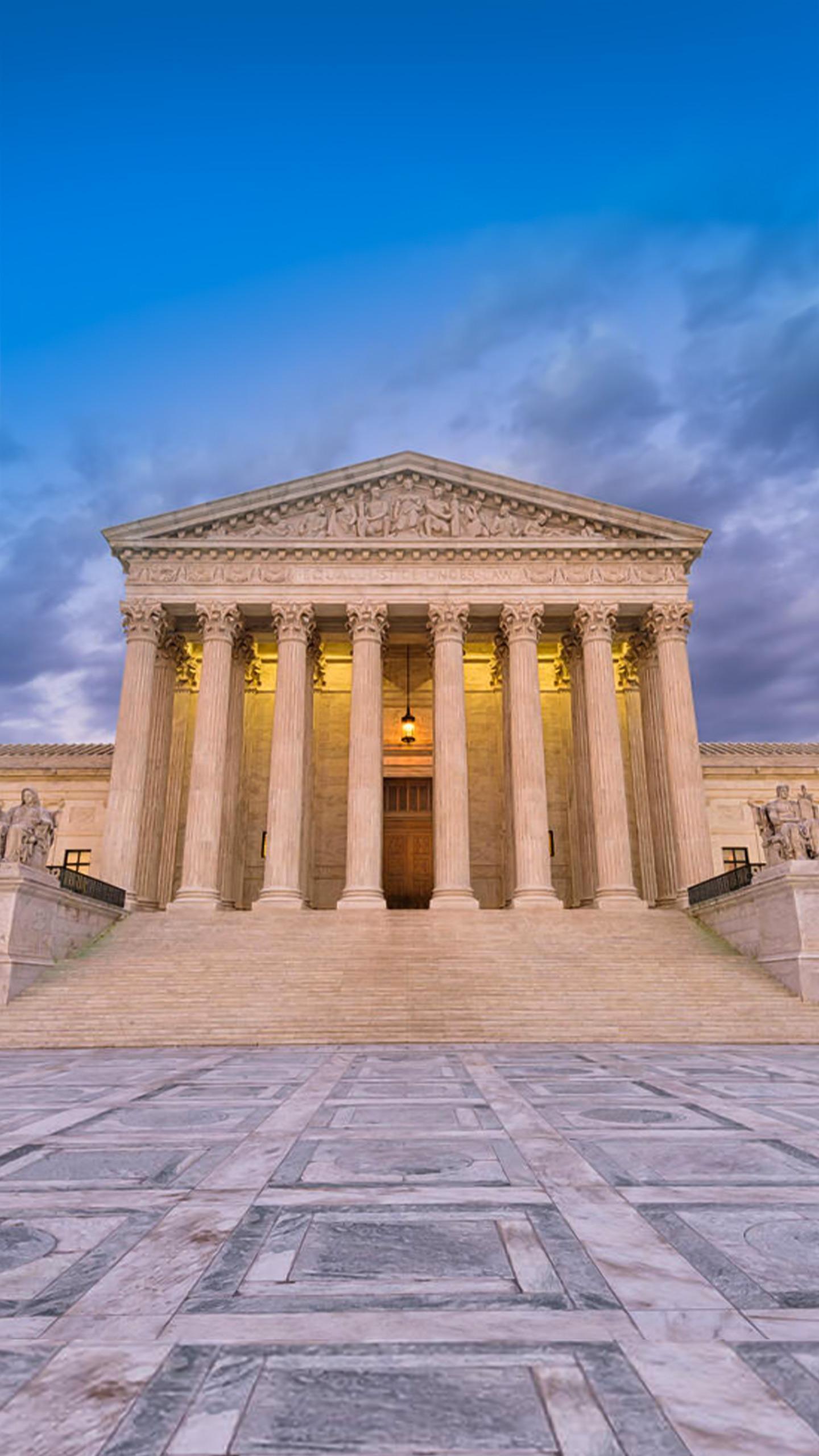
The Supreme Court has opted not to hear Nexstar Media's appeal against a National Labor Relations Board (NLRB) order. This order mandates Nexstar Media to engage in collective bargaining with a union representing
employees at its WROC-TV station in Rochester, New York. The NLRB had previously determined that the station's news, digital-content, and creative-services producers were eligible to unionize, classifying them as employees rather than supervisors who would be exempt from the National Labor Relations Act's protections. The Board concluded that these producers did not exercise independent judgment in assigning work or hold responsibility for other employees' performance. Following Nexstar's refusal to bargain with the certified union, the NLRB issued an order compelling them to do so. The Second Circuit Court of Appeals subsequently upheld this order, treating the producers' supervisory status as a factual matter and finding substantial evidence to support the NLRB's initial determination. Nexstar Media had argued that this approach conflicted with the Supreme Court's decision in *Loper Bright*, which limited judicial deference to agency interpretations of ambiguous statutes.
Why It's Important?
The Supreme Court's decision to deny review in this case has significant implications for labor relations and the authority of the NLRB. By leaving the Second Circuit's enforcement of the bargaining order intact, the Supreme Court has effectively upheld the NLRB's determination regarding the employee status of the WROC-TV producers. This reinforces the NLRB's power to classify workers and compel employers to bargain with unions, particularly in cases where the supervisory status of employees is contested. The denial of review also means that the Supreme Court has not yet clarified how its *Loper Bright* decision, which generally reduces judicial deference to agency interpretations, will impact judicial review of NLRB decisions. This leaves a degree of uncertainty for future cases involving agency interpretations of labor law. For companies like Nexstar Media, the ruling underscores the importance of adhering to NLRB directives and engaging in collective bargaining when ordered, potentially influencing how other media companies and employers classify their creative and production staff.
What's Next?
With the Supreme Court declining to hear the appeal, Nexstar Media is now legally obligated to bargain with the union representing its WROC-TV employees in Rochester, New York. This will likely lead to negotiations between Nexstar management and the union to establish terms and conditions of employment for the producers. The broader impact of the Supreme Court's non-decision is that the question of how *Loper Bright* affects judicial review of NLRB decisions remains open. This means that future challenges to NLRB rulings might still raise similar arguments regarding judicial deference, potentially leading to further litigation in other circuits or eventually prompting the Supreme Court to address the issue in a different case. For labor unions, this outcome is a victory, affirming the NLRB's role in protecting workers' rights to organize and bargain collectively, and may encourage further unionization efforts in similar industries.
Beyond the Headlines
This case highlights the ongoing tension between employer classifications of workers and the NLRB's role in defining employee rights under the National Labor Relations Act. The distinction between an 'employee' and a 'supervisor' is crucial, as supervisors are generally excluded from union protections. The NLRB's detailed assessment of the WROC-TV producers' duties, focusing on the lack of independent judgment in assigning work, underscores the granular level at which these determinations are made. The legal debate surrounding *Loper Bright* and its potential impact on agency deference also points to a broader judicial trend of scrutinizing the power of administrative agencies. While the Supreme Court did not directly address *Loper Bright* in this instance, the underlying legal principles of agency authority and judicial oversight remain a significant area of legal and political contention, with implications for regulatory bodies across various sectors beyond labor law.