










By Andrea Shalal
WASHINGTON, July 8 (Reuters) - The International Monetary Fund hopes to engage with central banks in coming months on changes in their use of forward guidance on monetary policy, a top official said on Wednesday, emphasizing the need for communications in uncertain times.
Petya Koeva Brooks, deputy director of the International Monetary Fund's research department, told reporters that forward guidance has been a useful tool in the past, but it was understandable that policymakers would
revisit the scope and modalities of such guidance over time.
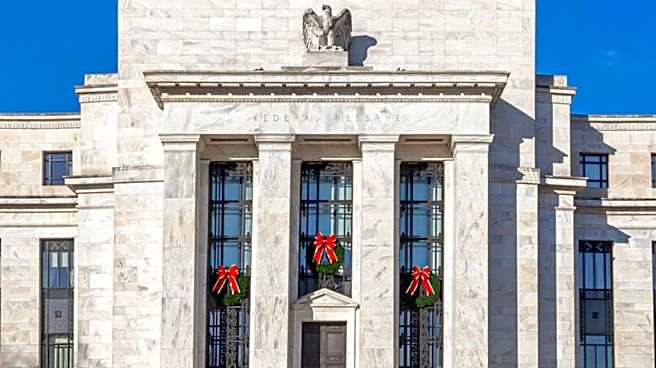
New Federal Reserve Chairman Kevin Warsh, who took over in May, has announced plans to review the Fed's communication policy and reduce forward guidance on monetary policy.
In his first policy meeting as chair, he organized a unanimous consensus around a stripped-down policy statement that removed references to what rate actions the central bank might take in the near term.
Warsh doubled down on his position during a panel at the European Central Bank's annual forum in Sintra, Portugal last week, saying it was critical for central banks to make their judgements based on "what's happening in the real economy."
European Central Bank President Christine Lagarde, Bank of England Governor Andrew Bailey and Bank of Canada Governor Tiff Macklem also expressed reservations about forward guidance at the event.
Brooks said the IMF was taking note, but stressed the need for continued communications, especially given the uncertainty and volatility of the current economic landscape.
"In a highly uncertain environment, I think central bank communications is key in terms of giving a sense of (how) central banks think about the shocks and their impact, and on the monetary policy stance," she said.
"Forward guidance has been a useful tool in the past, especially at the zero lower bound, but I think it's only natural as time goes by, and as we learn more, to kind of revisit the scope and again the modalities of that forward guidance," she said. "So we are we're definitely taking note, and we hope to engage on this issue in the coming months."
Pierre-Olivier Gourinchas, the IMF's former chief economist, told Reuters before his departure last month that it was appropriate for central banks to move away form "strong forms" of forward guidance since it had in the past committed them to future action, regardless of economic developments.
(Reporting by Andrea Shalal; Editing by Chizu Nomiyama )