



SINGAPORE, June 17 (Reuters) - Tumbling crude prices on news that Iranian fuel may soon hit global markets promised inflation relief and pushed bond yields lower on Wednesday, while stocks and currencies were quieter ahead of Kevin Warsh's debut meeting as Federal Reserve chair.
Brent crude futures dived below $80 to the lowest since the opening salvos of the U.S.-Iran conflict in March.
A senior U.S. official said the U.S. will waive sanctions on Iranian oil, under the deal to end the war, raising
the prospect of millions of additional barrels of supply.
U.S. bond yields dipped and rates in Asia followed suit, with 10-year Japanese yields down 1.5 basis points to 2.63% and 10-year Australian rates down almost 5 bps to 4.787%.
"Markets appear to be pricing in a relatively high probability of a full Hormuz flow normalisation," said Kim Fustier, senior oil and gas analyst at HSBC, though the bank thinks it will take until the end of September.
Few details of the U.S.-Iran agreement, due to be signed on Friday, have been publicly confirmed and a three-month stranglehold on the Strait of Hormuz has drained oil inventories, with U.S. reserves at the lowest since 1983.
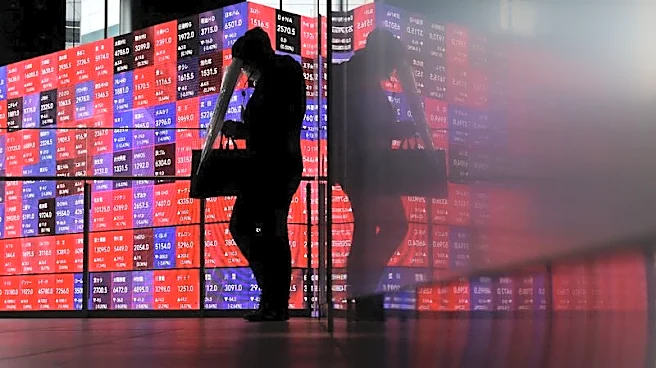
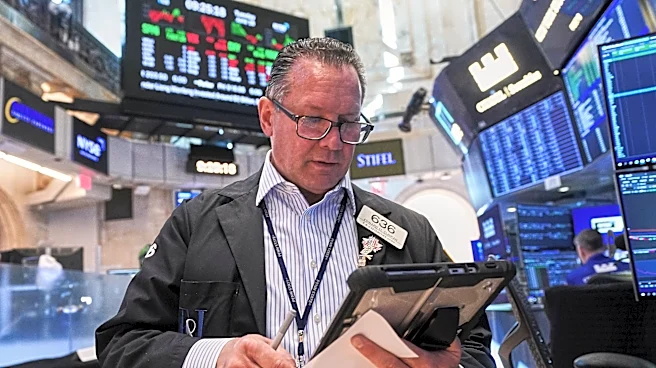
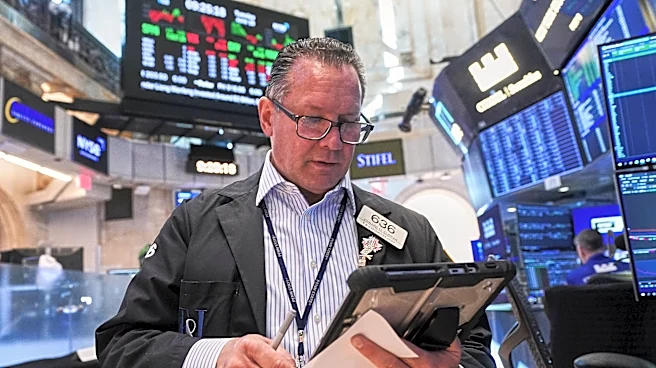
Overnight on Wall Street, investors trimmed crowded bets on tech and semiconductor stocks, pulling the Nasdaq down 1.15%, while rising financial and industrial stocks helped the Dow notch a record high.
Futures were slightly positive in Asia, while chipmaker-heavy markets in Taiwan and South Korea inched lower and MSCI's broadest index of Asia-Pacific shares outside Japan fell about 0.3%.
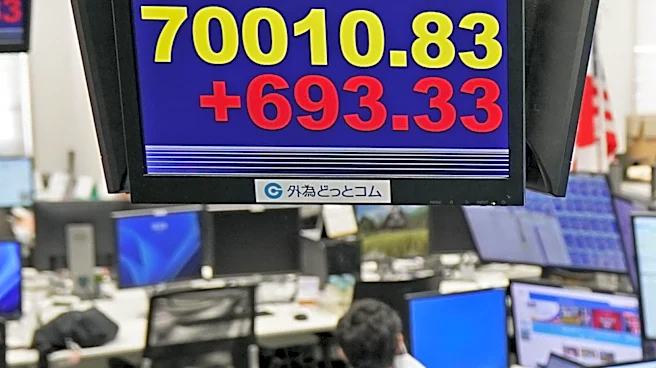
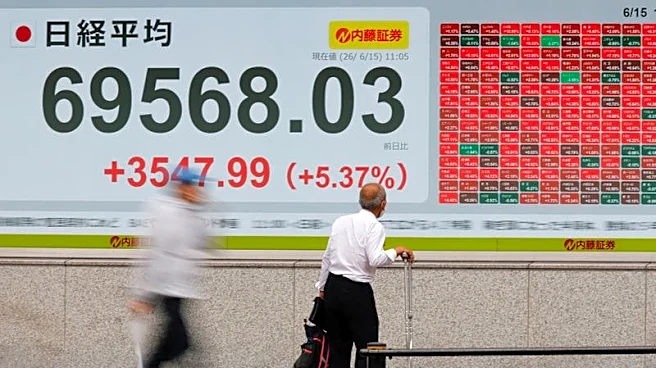
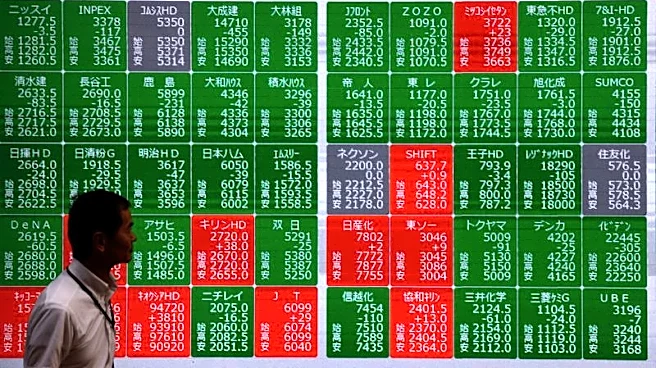
Japan's Nikkei rose 0.4%. Stock markets in Hong Kong and Shanghai were broadly steady. [.T]
FED ON HOLD, WARSH IN FOCUS
Traders are waiting to see how Warsh walks the line between his dovish president and markets, which expect a hike this year, and the anticipation has broadly held the dollar in stasis.
The euro firmed only a little this week, to hover around $1.16. Tuesday's expected rate hike in Japan failed to lift the yen, though the downside was protected by the risk of official intervention, holding it at 160.3 to the dollar.
A change in the Fed funds rate is unlikely so the focus is on the press conference and committee members' projections, which in March showed most expected to cut rates this year.
"We expect Warsh to downplay forward guidance, instead advocating patience on policy rates and inflation - leaning dovish relative to market pricing," said Xiao Cui, senior economist at Pictet Wealth Management.
"If Warsh embraces the possibility of rate hikes and does not push back on market pricing, this could be interpreted as hawkish."
(Reporting by Tom Westbrook; Editing by Jacqueline Wong)