



By Nate Raymond
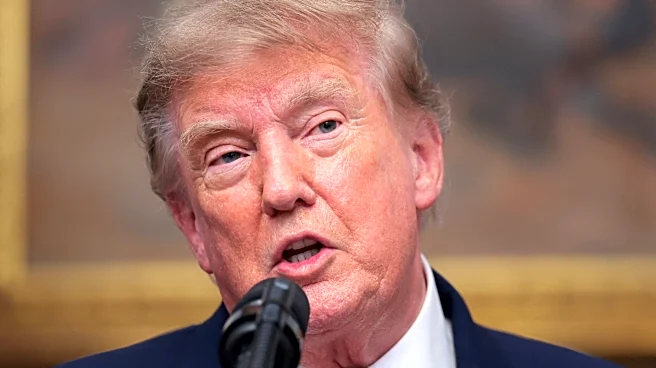
BOSTON, Aug 26 (Reuters) - Democratic-led states and voting rights groups on Wednesday renewed their efforts to block the U.S. Postal Service from imposing new requirements on mail-in voting before ballots go out for the November congressional elections, as ordered by President Donald Trump.
Democratic attorneys general from 23 states and the District of Columbia, along with Pennsylvania's governor, filed a new lawsuit in Boston federal court two days after the U.S. Supreme Court lifted
an earlier injunction they had won blocking Trump's order on the grounds that they sued too soon.
They had filed that earlier case before USPS had finalized the rule that would implement the order the Republican president signed in March targeting mail-in ballots. USPS released a final rule on Friday, despite a court order that had still been in place designed to stop its efforts from fulfilling Trump's plan.
Until Wednesday, USPS had been blocked from implementing that new rule as a result of another injunction U.S. District Judge Indira Talwani in Boston issued in a related case brought by voting rights groups.
But at the Trump administration's request, Talwani vacated her order shortly after the states sued. The judge said it cannot stand following the Supreme Court's ruling given that they initially sued before USPS finalized its rule, despite "what chaos may be unleashed as litigation is pending."
Those voting rights groups quickly filed a revised complaint after she ruled, and along with the states asked Talwani, an appointee of Democratic President Barack Obama, to quickly issue a restraining order that would re-block implementation of USPS' new rule.
"Rather than serving voters, this rule threatens access to the ballot and treats voters as collateral damage," Sophia Lin Lakin, a lawyer for the voting rights groups at the American Civil Liberties Union, said in a statement.
Talwani ordered the Trump administration to respond to the restraining order requests by mid-Thursday, and she scheduled a September 3 hearing to consider whether to issue a preliminary injunction that would indefinitely halt the rule.
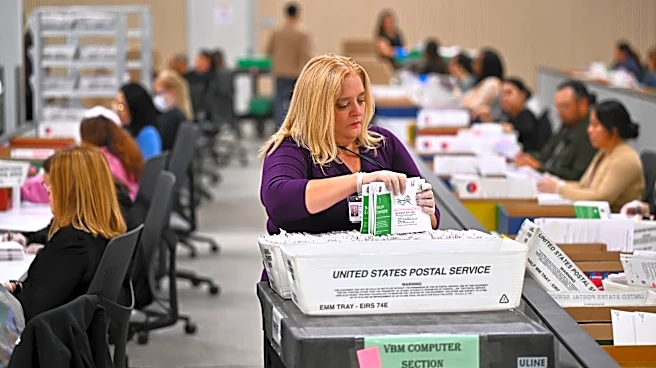
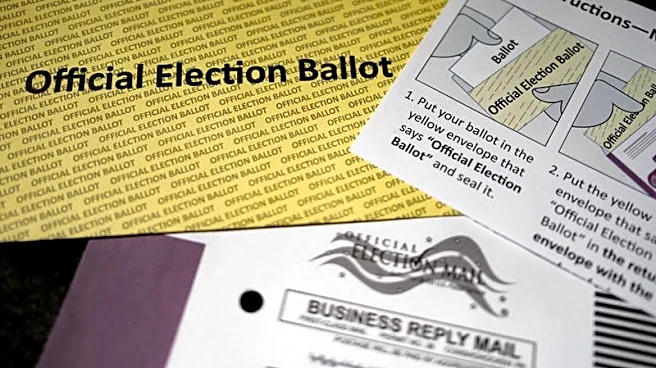
Under the rule, states must supply USPS with lists of mail ballot recipients, and all outbound and return ballot envelopes must bear unique barcodes. USPS under the rule may refuse to deliver ballots that do not comply with the new standards or are associated with voters who do not appear on the lists.
The Democratic-led states say the new requirements, if put into force, could significantly burden them in the weeks running up to the election, forcing them to buy new envelopes and equipment, establish new systems and train staff.
"This new policy will just create confusion, unnecessary costs, and unacceptable risks for voters going into Election Day, and my office is going to court to stop it," New York Attorney General Letitia James said in a statement.
She and other state attorneys general argue USPS has no authority to establish federal eligibility requirements to vote by mail and that its rule ran afoul of federal laws protecting voters' rights and states' authority under the U.S. Constitution to administer elections.
The states, which also include California and Massachusetts, argue the rule risks disenfranchising voters. During the 2024 election, USPS processed nearly 100 million ballots. About 30% of voters nationwide cast ballots by mail, the states say.
USPS did not respond to requests for comment.
Arms of the Democratic Party in filings on Tuesday in a separate case in Washington, D.C., similarly moved to block USPS' rule, which they say is now ripe for adjudication.
(Reporting by Nate Raymond in Boston; Editing by Aurora Ellis and David Gregorio)