



By Katya Golubkova
TOKYO, Feb 18 (Reuters) - Oil prices fell slightly on Wednesday as talks between the United States and Iran progressed, raising hopes for a de-escalation of bilateral tensions and lowering risks of supply disruptions from the Middle Eastern oil producer.
Brent futures dropped 3 cents or 0.04% to $67.39 a barrel at 0139 GMT, while U.S. West Texas Intermediate (WTI) crude lost 5 cents or 0.08% to trade at $62.28. Both are trading around two-week lows.
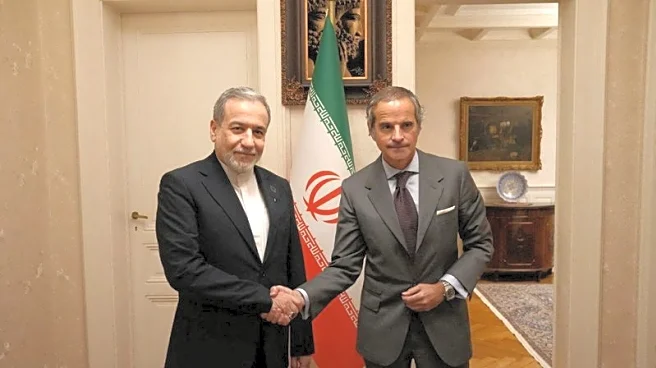
Iran and the U.S. reached an understanding
on Tuesday on main "guiding principles" in talks aimed at resolving their longstanding nuclear dispute, but that does not mean a deal is imminent, Iranian Foreign Minister Abbas Araqchi said.
Analysts remained cautious about the potential for progress to be sustained.
"While a meaningful breakthrough would ease geopolitical tensions and potentially boost Iranian oil supply, we remain sceptical that this outcome will be achieved in the short term," Tony Sycamore, an IG market analyst said in a note to clients.
Political consultancy Eurasia Group said in a Tuesday note to clients that it thinks there is a 65% probability of U.S. strikes against Iran by the end of April.
Also weighing on oil prices were reports from Russian media that output at the Tengiz oil field in Kazakhstan, one of the world's largest, was rising after a suspension in January.
Tengiz plans to reach full capacity by February 23, Reuters sources said.
The market will be focused on weekly reports by the American Petroleum Institute, due later in the day, and the Energy Information Administration, the statistical arm of the U.S. Department of Energy, on Thursday.
Analysts polled by Reuters estimated that U.S. crude oil stockpiles likely rose last week, while distillate and gasoline inventories probably fell.
They expect crude inventories climbed by about 2.3 million barrels in the week to February 13, while stockpiles of gasoline declined by around 200,000 barrels and distillate inventories, which include diesel and heating oil, dropped by some 1.6 million barrels.
(Reporting by Katya Golubkova in Tokyo; Editing by Edwina Gibbs)