




By Chuck Mikolajczak and Shashwat Chauhan
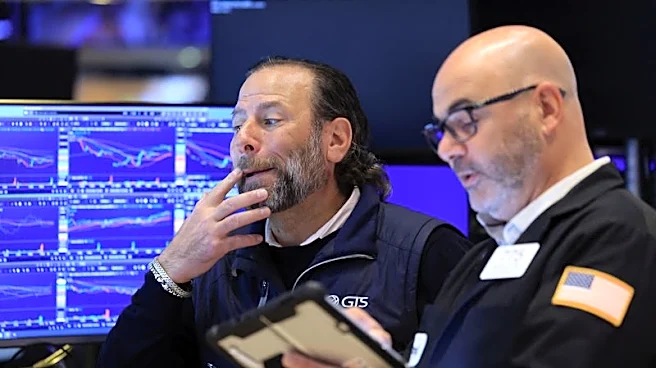
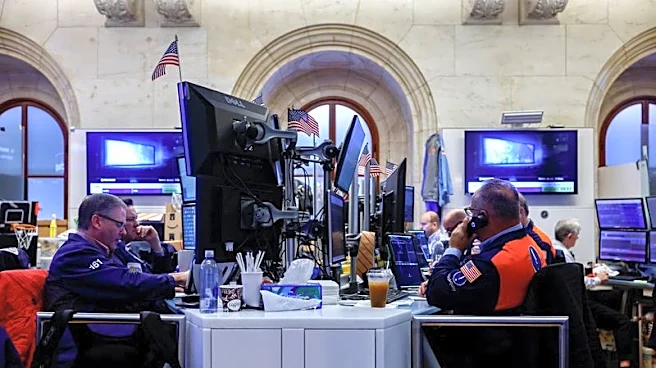
NEW YORK, Sept 30 (Reuters) - Nasdaq climbed on Wednesday and the S&P 500 dipped, with both indexes notching their second straight quarterly gains, as a softer-than-anticipated inflation reading cooled expectations that Federal Reserve policy makers would hike rates in October.
The US Commerce Department reported the Personal Consumption Expenditures Price Index (PCE) increased 3.4% on an annual basis in August, below the 3.7% estimate of economists polled
by Reuters.
Separately, the final reading of second-quarter GDP data was revised higher to a 2.2% annualized rate, thanks to solid consumer spending and investments helping to fuel the buildout of AI infrastructure.
The rising prices of crude oil from the US-Iran war and sky-high diesel fuel costs have stoked inflation worries and pushed US Treasury yields higher. Fed officials have indicated more rate hikes might be needed if price pressures fail to moderate after the central bank raised interest rates by 25 basis points this month.
The 2-year US Treasury note yield, which typically moves in step with Fed interest-rate expectations, initially eased after the data before turning slightly higher, while longer-dated yields kept climbing on expectations for solid economic growth.
Market expectations for a rate hike of at least 25 basis points at the Fed's October meeting slumped to about 39%, according to CME's FedWatch Tool, from roughly 51% in the prior session and nearly 71% a week ago.
Analysts also noted that recent methodology changes in calculating PCE by the Bureau of Economic Analysis contributed to a lower reading.
"What the market is focused on is, is the economy continuing to grow and can it manage those higher interest rates? And I would say so far, the market has looked kind of like history that when the economy is growing, when profits are strong, when there's a secular theme, it will look past higher interest rates," said Anthony Saglimbene, chief market strategist at Ameriprise Financial in Troy, Michigan.
"However... if these higher rates stay at these elevated levels for longer, it's likely to start doing potentially more damage to the bond side of the portfolio, it could limit credit or available credit. And if investors start to feel those conditions could weigh on economic growth or weigh on corporate profitability over the next quarter or two, then I think you would see a very swift negative reaction in the market."
S&P, NASDAQ NOTCH QUARTERLY GAINS
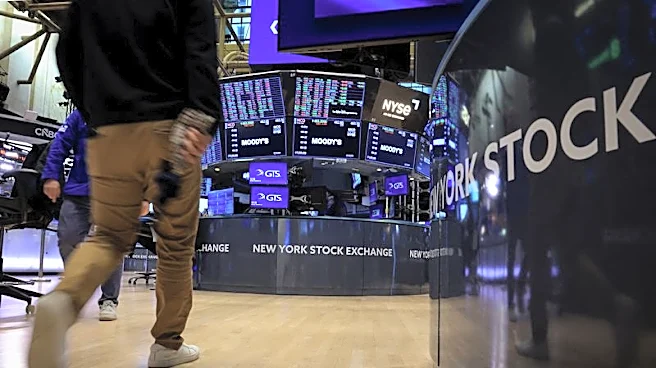
According to preliminary data, the S&P 500 lost 18.13 points, or 0.23%, to end at 7,652.71 points, while the Nasdaq Composite gained 66.46 points, or 0.25%, to 26,864.00. The Dow Jones Industrial Average fell 431.84 points, or 0.84%, to 50,918.08.
Both the S&P 500 and Nasdaq recorded their second straight quarterly advances and fifth in the past six. The Dow saw a quarterly decline for the second time in three.
Most megacap and growth stocks ticked higher, with Amazon.com and Apple and Nvidia each rising and in turn lifting the S&P 500 tech index as the best-performing sector on the day.
PRIVATE PAYROLLS RISE IN SEPTEMBER
A reading on the labor market showed private employment rose by 90,000 jobs this month after a downwardly revised 36,000 in August, the ADP National Employment Report showed. The data was the latest in a string of reports on the job market this week that will culminate in Friday's key government payrolls report.
Without addressing the softer-than-expected inflation data, Fed Governor Lisa Cook said she is committed to bringing inflation down without harming the labor market as price pressures have been too high for too long.
Among other movers, Hewlett Packard Enterprise climbed after the AI server maker raised its long-term revenue growth forecast for its networking business and announced a $1.2 billion deal with Vultr.
Moderna slumped after brokerage Citigroup downgraded its rating on the biotech company to "sell" from "neutral."
(Reporting by Chuck Mikolajczak; additional reporting by Shashwat Chauhan and Tharuniyaa Lakshmi in Bengaluru; Editing by Devika Syamnath and David Gregorio)