






By Shashwat Chauhan and Utkarsh Hathi
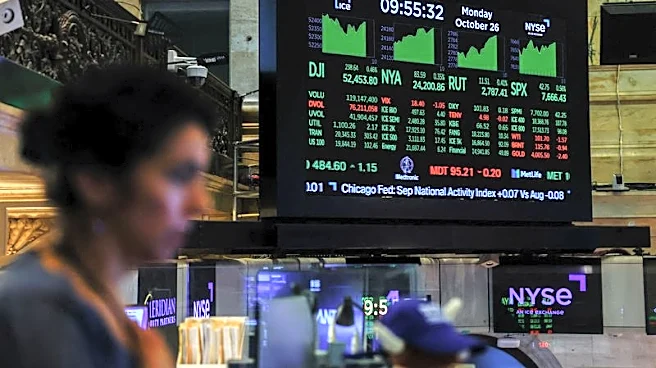
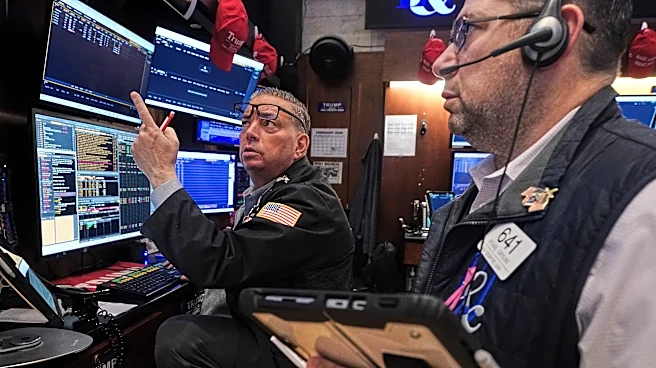
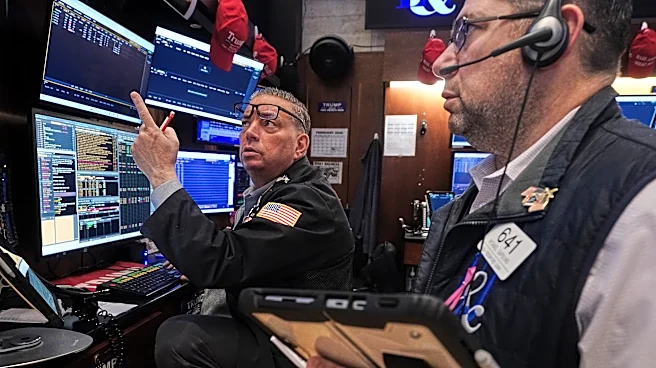
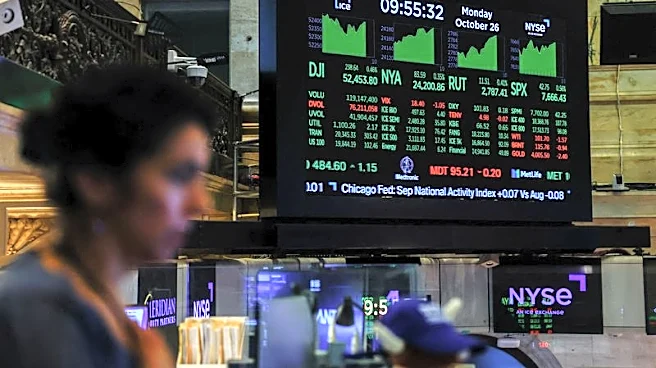
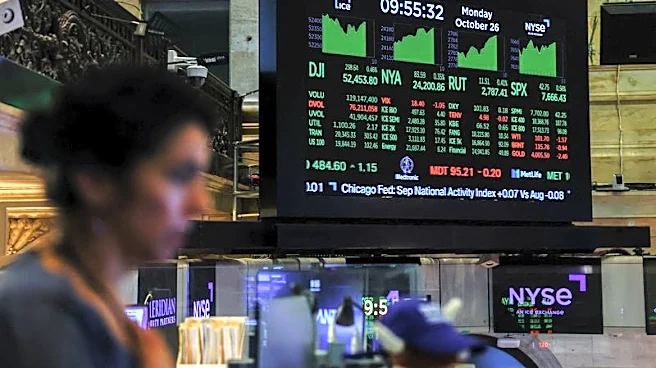
Nov 3 (Reuters) - The S&P 500 and the Nasdaq rose on Tuesday as tech stocks found their footing ahead of US midterm election results, though Apple joined the list of Big Tech companies whose earnings failed to impress investors.
Apple fell 2.2% after the iPhone maker warned the cost of memory chips would continue to rise, pressuring its holiday-quarter gross margin.
Chip stocks were among top gainers, with Nvidia climbing 3% after falling for the last four sessions.
The broader Philadelphia chips index jumped 3%, while AMD gained 5.1% ahead of its quarterly earnings due after the bell.
The Nasdaq-100 closed more than 10% below its all-time closing high on Monday, confirming that the tech-heavy index has entered a correction as investors grow wary of Big Tech's soaring AI spending and little evidence of adequate returns.
A drop in oil prices provided more support, as Brent crude fell over 1%, extending declines after a sharp drop in the last session. US President Donald Trump said he made a deal with Israeli Prime Minister Benjamin Netanyahu and that Washington would no longer be providing military aid to Israel after the end of this year.
At 11:50 a.m. ET, the Dow Jones Industrial Average fell 232.30 points, or 0.45%, to 51,751.68, the S&P 500 gained 30.41 points, or 0.40%, to 7,571.81 and the Nasdaq Composite gained 196.95 points, or 0.79%, to 25,361.31.
On the downside, software stocks were among top decliners, with Gartner dropping 13.2% and US-listed shares of Thomson Reuters and Shopify sliding around 7% each after all three reported quarterly earnings.
Gains in technology stocks offset wider weakness, as six of the 11 major S&P 500 sectors were trading lower. Consumer staples and materials were the laggards.
AI-powered analytics software provider Palantir Technologies forecast revenue above estimates for the last three months of the year after topping third-quarter expectations. Its shares, however, fell 3.1%.
MIDTERM RESULTS AWAITED
American voters will deliver a verdict on the first two years of President Donald Trump's second term in Tuesday's midterm elections, with polls and nonpartisan analysts favoring Democrats to wrest the House from Republicans, while control of the Senate remains uncertain.
"Markets will assess potential implications for fiscal policy, regulation, taxation, and government spending. This will be good to put behind us as it has been an anticipated volatility event for quite some time," said Ken Mahoney, CEO of Mahoney Asset Management.
Morgan Stanley analysts said in a note earlier this week that the elections should help remove a major market overhang. They believe the US market correction that began in June is in its "final innings".
Another risk factor could be the US renewing attacks on Iran after the midterms, something that Trump has hinted at in recent weeks. J.P.Morgan analysts said in a note earlier this week that they view any dip in the markets due to geopolitical tensions as a buying opportunity.
However, when asked by reporters on Monday if he was considering striking Iran after the midterms, Trump said, "No."
Declining issues outnumbered advancers by a 1.16-to-1 ratio on the NYSE, while advancing issues outnumbered decliners by a 1.39-to-1 ratio on the Nasdaq.
The S&P 500 posted 9 new 52-week highs and 1 new low, while the Nasdaq Composite recorded 41 new highs and 163 new lows.
(Reporting by Shashwat Chauhan and Utkarsh Hathi in Bengaluru; Editing by Shinjini Ganguli and Maju Samuel)