
By David Lawder
MEXICO CITY, May 27 (Reuters) - The Trump administration's trade agency said on Wednesday it will kick off the first of three negotiating rounds with Mexico this week to revamp the North
American trade agreement, but made no mention of any talks with Canada.
The U.S. Trade Representative's office said in a statement that Deputy U.S. Trade Representative Jeffrey Goettman will lead bilateral talks in Mexico City on Thursday and Friday focused on "economic security and rules of origin for key industrial goods."
USTR said the U.S. and Mexico will hold a second round of negotiations in Washington on June 16-17 focused on agriculture and "a level playing field," with a third set of talks in Mexico City scheduled for the week of July 20.
"The negotiations will focus on ensuring that the USMCA benefits U.S. manufacturers, farmers, ranchers, workers, and service suppliers, and businesses of all sizes, including our small and medium-sized enterprises," USTR said in its statement.
The first Trump administration held trilateral negotiating rounds with both Mexico and Canada to create the existing USMCA, which replaced the 1994 North American Free Trade Agreement in 2020.
But USTR's statement made no mention of bilateral talks with Canada. There have been few discussions between U.S. Trade Representative Jamieson Greer and his Canadian counterpart, Canada-U.S. Trade Minister Dominic LeBlanc, since early March, and no formal launch of a U.S.-Canada negotiating process.
Greer said on Tuesday in Washington that the U.S. has "significant" differences with Ottawa on trade that will be difficult to resolve, notably that Canada has failed to accept U.S. President Donald Trump's imposition of tariffs on Canadian vehicles, steel and aluminum and to negotiate trade concessions like other major trading partners Japan, South Korea, Taiwan, Britain and the European Union.
Instead, Greer chided Canada for retaliating against the U.S. with its own tariffs on U.S. vehicles, steel and aluminum, saying only Canada and China had retaliated against U.S. tariffs. Several Canadian provinces also have pulled U.S. liquor from store shelves.
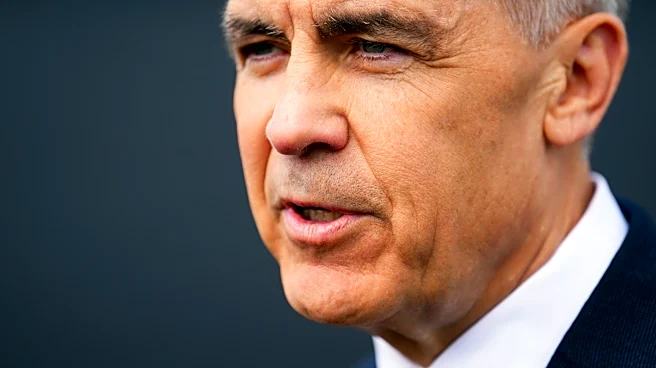
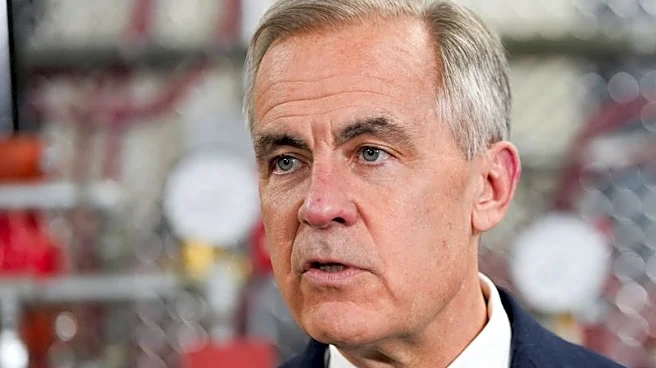
On Wednesday, Canadian Prime Minister Mark Carney announced that Canada's military was negotiating to buy Swedish early warning radar aircraft from Saab rather than buying from U.S.-based Boeing .
SOME TARIFFS TO STAY, GREER SAYS
Greer said the U.S. intended to maintain some level of tariffs on both Mexican and Canadian goods under USMCA, which along with NAFTA, created a North American tariff-free zone for more than three decades that underpinned nearly $1.6 trillion in trilateral trade.
But he said the two countries could receive preferential treatment if deals can be struck to protect the North American region from external goods, including from China, with higher tariffs and stronger rules of origin for autos and industrial goods.
Greer said the rules of origin would be aimed at encouraging more production, without providing specific details on U.S. demands.
"I think that over the course of these negotiations, we are going to be talking about rules of origin in a way that enhances U.S. content in these goods," Greer said of the Mexico talks.
(Reporting by David Lawder; Editing by Paul Simao)