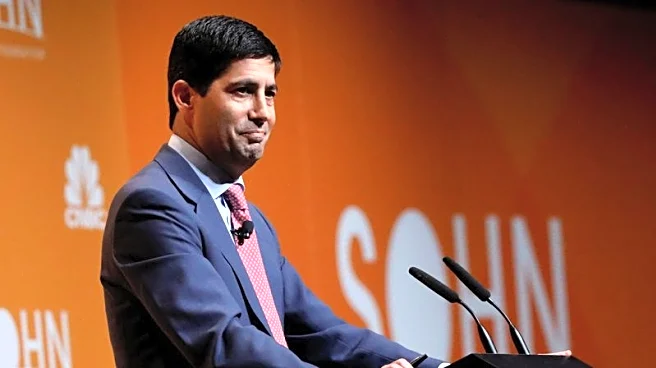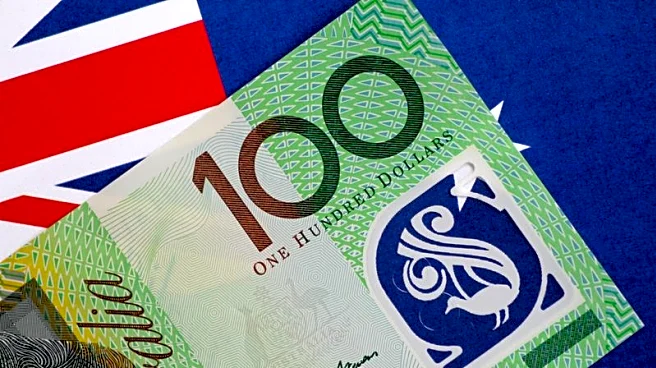

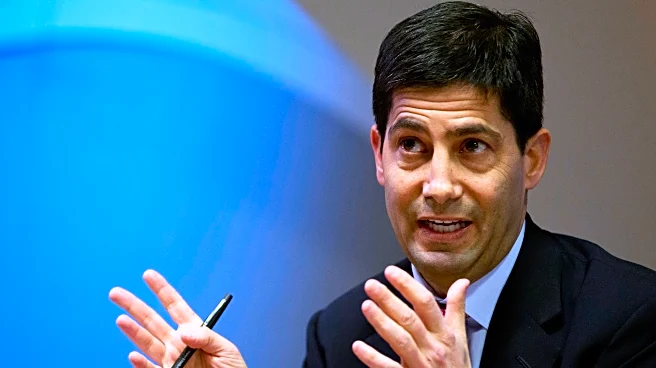
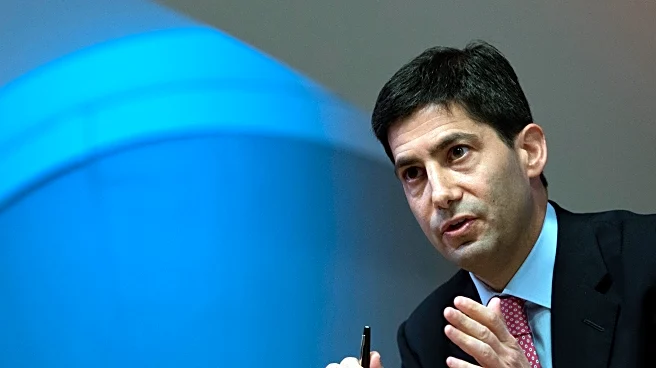
SYDNEY, Feb 2 (Reuters) - The Australian and New Zealand dollars wobbled on Monday after the nomination of Kevin Warsh as the next U.S. central bank chief lifted the embattled greenback and sent prices for precious metals tumbling.
The Aussie hit a one-week low of $0.6923 before steadying at $0.6970. It lost 1.2% on Friday to break a nine-day winning streak, which saw it retreat further from a three-year peak of $0.7094.
Still, it was up 4.3% in January alone, aided by growing bets that the Reserve
Bank of Australia could resume a hiking cycle after three rate cuts last year. Much is riding on the outcome of a policy meeting on Tuesday where a quarter-point increase is about 75% priced in.
A surprise decision to hold would sting the Aussie, while an increase would push it up. Joseph Capurso, head of foreign exchange at the Commonwealth Bank of Australia, said guidance from the RBA indicating additional hikes could boost the currency materially.
"But the pick-up in volatility also means AUD/USD is susceptible to sharp moves down," he said. "If the slump in precious and other metal prices continue, AUD/USD will be dragged lower."
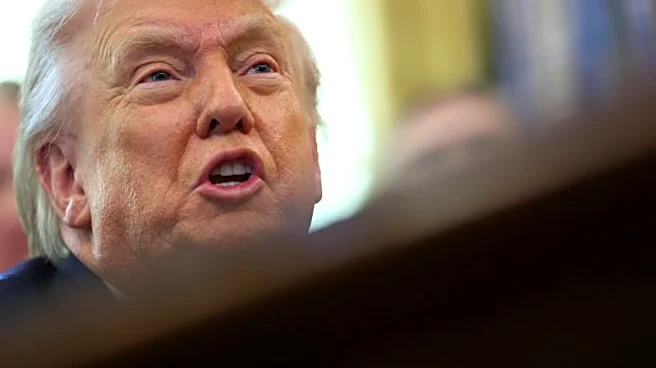
On Friday, U.S. President Donald Trump said Warsh - who prefers a smaller central bank balance sheet - would be his pick for the next Federal Reserve chair. That sparked a wave of selling across risky assets, boosted the U.S. dollar and triggered sharp corrections in gold and silver prices.
The kiwi dollar similarly hit a one-week trough of $0.5996 before recovering a little to be recently flat at $0.6022. It climbed a sizeable 4.5% in January, with near-term resistance at $0.6092.
New Zealand's quarterly labour market data is due on Wednesday. Forecasts are centred on a 0.3% quarterly rise in employment growth, with the jobless rate likely holding steady at 5.3%.
The Reserve Bank of New Zealand meets on February 18 and it will be the first for new Governor Anna Breman to lay out her vision for how policy might develop.
Markets also assume the next move in New Zealand rates will be up, albeit not until July at the earliest.
(Reporting by Stella Qiu; Editing by Thomas Derpinghaus)