



By Olena Harmash and Daniel Flynn
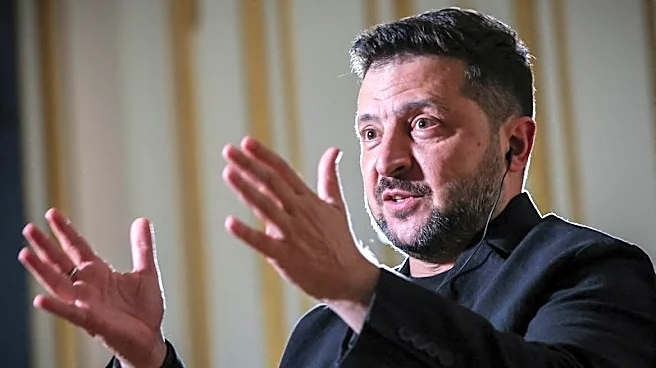
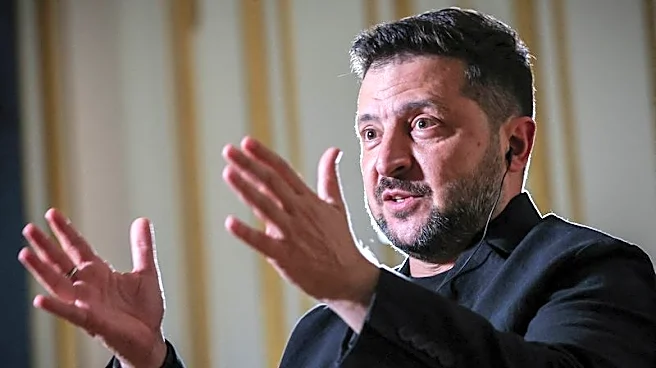
KYIV, Oct 13 (Reuters) - Ukraine received no warning from Western partners before a Russian missile attack on its capital, President Volodymyr Zelenskiy said on Tuesday, but President Donald Trump said Washington was still sharing intelligence even as he pressures Kyiv to halt attacks on Russian refineries.
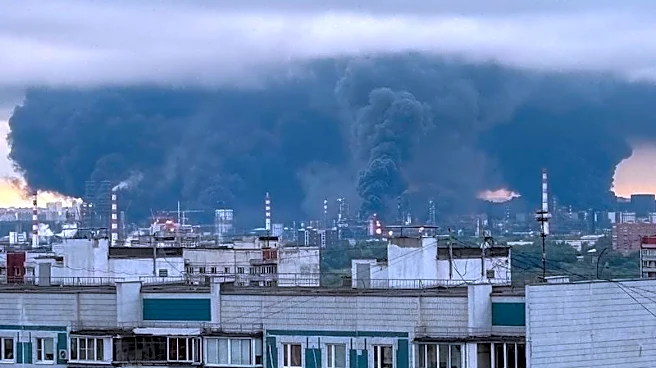
Russia hit no Ukrainian energy targets overnight for the first time since Trump's surprise Sunday announcement of an "energy ceasefire", but hammered transport
and logistics with ballistic missiles and drones.
Reuters and other media have reported that US officials have threatened to cut off intelligence sharing and weapons sales to Ukraine unless it stops attacking Russian refineries. Kyiv relies heavily on US intelligence for early warnings of missile strikes, experts and officials say.
Speaking to reporters on Tuesday, Trump said Washington continues to share intelligence with Ukraine and is working with both Kyiv and Moscow to bring an end to the war. "We are helping them, and we are sharing intel," he said.
Trump was asked whether Russia had violated the ceasefire and answered: "I'll let you know about that later."
Asked if Russia could use proceeds from the diesel deal to purchase more bombs, Trump sidestepped the question. "That's a diesel deal, not for us. That's being released into the world. That's not being released to us."
Zelenskiy said Ukraine had not targeted Russian refineries since Trump's announcement on Sunday.
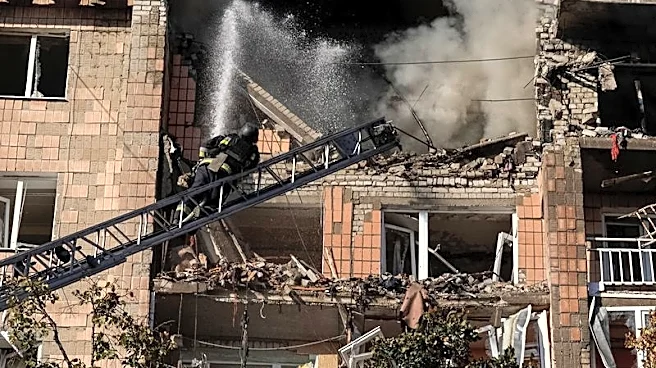
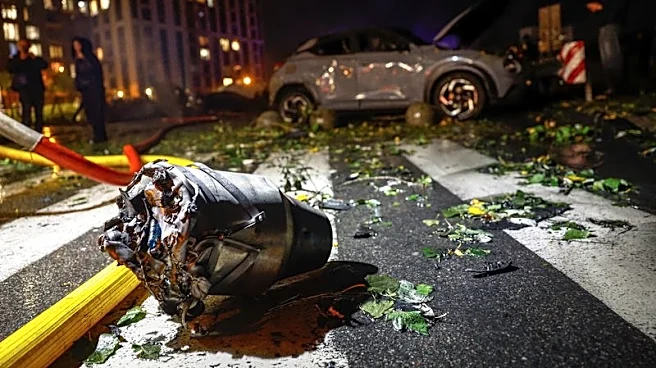
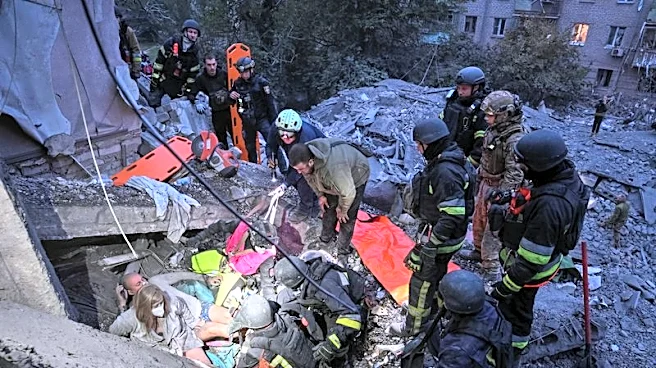
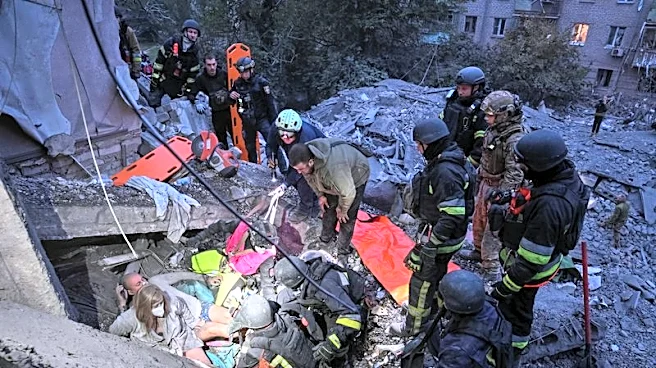
He said Kyiv had not received the usual warning from allies of ballistic missile launches before a "particularly vile" attack on Kyiv overnight, in which five missiles hit civilian infrastructure.
"Intelligence on Russian ballistic missile launches helps save lives," Zelenskiy said on X, "and this is one of the most critical issues." He stopped short of linking the lack of warning to any US threats.
AIR RAID ALERTS SOUND IN KYIV ONLY AFTER BLASTS ARE HEARD
Air alerts sounded in Kyiv on Monday night only after several explosions had already ripped through the city.
Foreign Minister Andrii Sybiha said Ukraine was still receiving US military intelligence. Speaking at the Warsaw Security Forum, Sybiha attributed the delay to the type of weapon Russia had used.
As Ukraine fights a larger, richer and better-equipped enemy, Kyiv sees the strikes on Russian oil refineries as one of its few instruments to reduce Moscow's ability to fight.
Yet Trump has repeatedly blamed Ukrainian attacks – which prompted Moscow to suspend diesel exports – for a sharp rise in US fuel prices this year, a headache for his Republican Party ahead of congressional midterm elections in three weeks.
Most analysts, however, say the US war in Iran has had a far greater impact on the price rise.
Russia had struck six Ukrainian energy sites on Monday. It was unclear whether Moscow had deliberately avoided energy infrastructure overnight and on Tuesday.
A Kremlin spokesman, asked about the energy ceasefire, would only say that contacts were ongoing, but declined to provide any further details.
UKRAINE SAYS IT NOW HAS CARDS TO PLAY
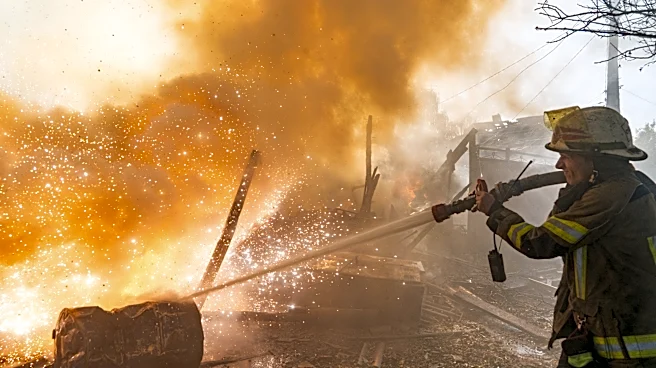
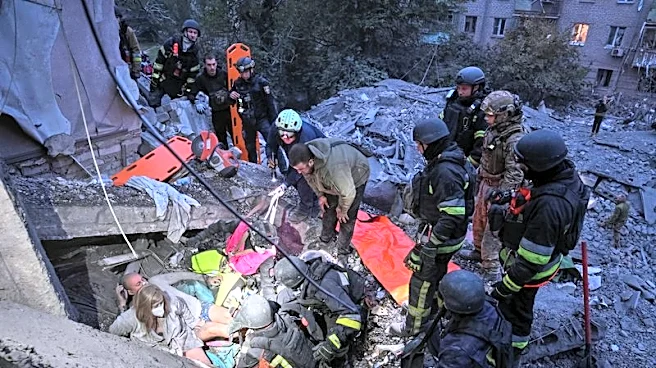
Russian strikes killed four people in Ukraine's second city, Kharkiv, and dozens were wounded across the country, Ukrainian officials said.
Ukraine's air force said it was investigating the failure to receive surveillance warnings before the attack.
Fabian Hoffmann, missile expert at the Norwegian Institute for Defence Studies, said Ukraine's European allies had "very limited" ability to replace US early-warning intelligence about Russian missile strikes:
"Ukraine relies on the so-called Space-Based Infrared System which the US deploys – and the US system is really second to none and only the United States can provide that."
Sybiha said the US request to halt attacks on Russian refineries showed how Ukraine's position had strengthened, alluding to Trump's comment to Zelenskiy in a tense Oval Office meeting last year that "you don't have the cards".
"In less than two years, we have gone from 'having no cards' to 'not playing your cards'. That is an achievement," Sybiha said.
Zelenskiy reiterated Ukraine's position, saying that Kyiv was ready for reciprocal steps to de-escalate, calling on partners to pressure Russia.
(Reporting by Olena Harmash and Daniel Flynn; Additional reporting by Jacob Bogage, Nandita Bose and David Brunnstrom in Washington; Editing by Kevin Liffey, Don Durfee and Howard Goller)