



By Jarrett Renshaw and Christian Martinez
Feb 19 (Reuters) - The U.S. Commission of Fine Arts on Thursday approved President Donald Trump’s proposal to build a ballroom on the former East Wing site, advancing a project that would create a structure nearly twice the size of the White House.
The panel, whose commissioners were all appointed by the Republican president in January, voted 6-0 to approve the design. In an unexpected move, Chair Rodney Mims Cook Jr. then made a motion to grant final approval,
rather than waiting until next month as originally scheduled.
Six of the seven commissioners again voted in favor. Commissioner James McCrery did not participate in the discussion or vote because he had served as the project’s architect before Trump replaced him.
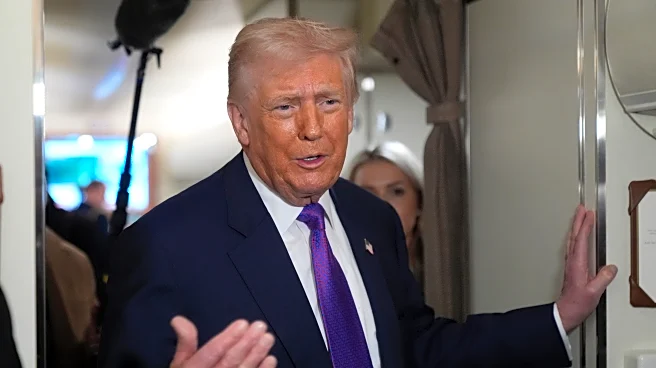
"The Commission of Fine Arts just approved, unanimously, 6 to 0, with one recusal because he had a conflict in that he worked professionally on the job, the White House Ballroom," Trump said on Truth Social. "Great accolades were paid to the building’s beauty and scale."
The ballroom will accommodate about 1,000 people, according to Trump. By comparison, the East Room, currently the largest room in the executive mansion, can hold about 200 people.
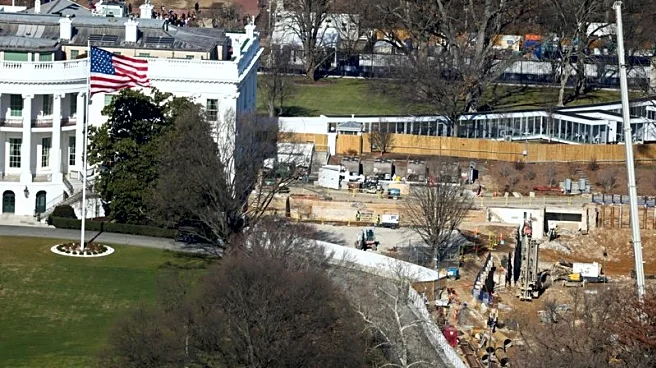
The 90,000-square-foot (8,361-square-meter) ballroom will replace the East Wing, which Trump ordered demolished in October without the required federal reviews or public comment.
The demolition drew criticism from lawmakers, historians and preservation advocates, who argued the president should not have taken that step before the project had been reviewed and approved by the relevant federal agencies and Congress, and before the public had an opportunity to comment.
The commission is one of two federal bodies required to sign off on the project. The National Capital Planning Commission, which oversees construction and major renovations of federal buildings in the Washington region, is separately reviewing the proposal. Its next meeting is on March 5.
Federal courts are also scrutinizing the project. A judge last month expressed skepticism that the administration had the authority to move forward with construction without approval by Congress.
(Reporting by Jarrett Renshaw and Christian Martinez; Editing by Kevin Liffey, Colleen Jenkins and Lisa Shumaker)