



By Mayank Bhardwaj and Rajendra Jadhav
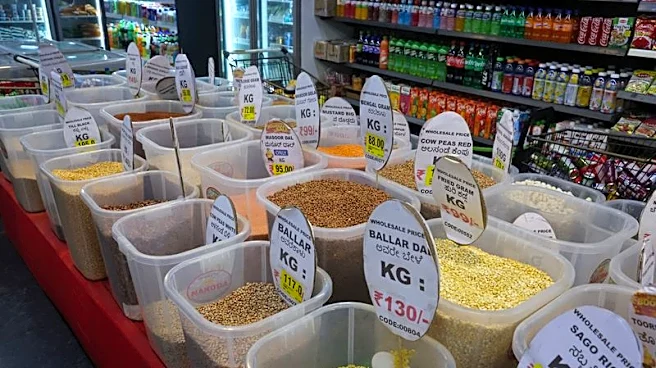
NEW DELHI/MUMBAI, Oct 1 (Reuters) - India is considering lowering import tariffs on a range of pulses to boost supplies and curb food inflation, after a patchy monsoon raised concerns over domestic output, two government sources and an industry source said.
Any reduction could be limited to lentils and yellow peas, with chickpeas excluded, the industry source said.
New Delhi currently imposes a 10% import tax on red lentils and chickpeas and 30% on yellow peas.
India has already allowed duty-free imports of pigeon peas and black gram until the end of the current fiscal year in March 2027.
A government spokesperson did not immediately respond to a request from Reuters for comment.
India is the world's biggest producer, consumer and importer of pulses, and increasingly relies on imports to bridge the gap between domestic production and demand.
Imports accounted for about 23% of consumption in 2024-25, when the country produced 25.7 million tons and imported 7.3 million tons. Major suppliers included Australia, Canada, Russia, Myanmar and a clutch of African countries.
Pulses are mainly cultivated in rain-fed areas, and output is expected to drop sharply this year after top producing states received up to 30% less rain than average during the June-September monsoon season.
Farmers are likely to start planting chickpeas from October, and the government could encourage a larger planting area by retaining import duties on the crop.
Prime Minister Narendra Modi's government has already cut import tariffs on vegetable oils and adjusted sugar exports to tame prices.
Demand for pulses typically rises during India's festive season, especially for chickpeas, as households, millers and food processors stock up ahead of festivals.
Food inflation in India has been rising since December and stood at 5.95% in August. Prices of pulses remained elevated, with pigeon pea inflation at 5.6% and black gram inflation at 7.4% year-on-year.
(Reporting by Mayank Bhardwaj and Rajendra Jadhav; additional reporting by Manoj Kumar; Editing by Louise Heavens;)