







By Robert Harvey
LONDON, Oct 27 (Reuters) - Oil futures fell on Tuesday as attention turned to Middle East peace talks, though prices remain near multi-month highs as the Houthi-Saudi Arabia conflict rages and the potential for fresh US-Israeli attacks hangs over the market.
Brent crude futures were down $1.00, or 0.86%, at $114.81 a barrel by 1311 GMT. US West Texas Intermediate crude was down 78 cents, or 0.77%, at $100.98.
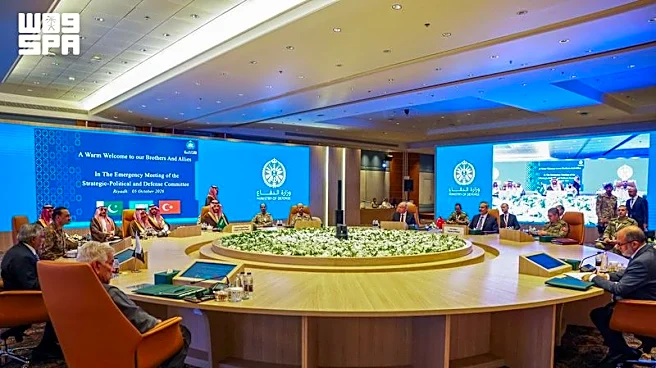
Iranian Security Council chief Mohsen Rezaei on Tuesday met Supreme Leader
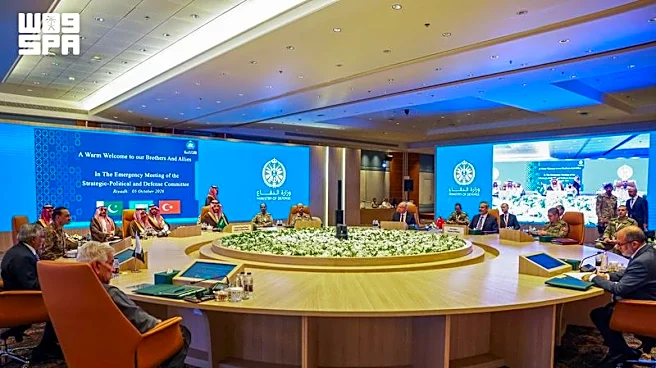
Ayatollah Mojtaba Khamenei a day after holding talks with representatives of Saudi Arabia, Turkey and Pakistan.
State media said Khamenei had emphasised the importance of pursuing Iran's interests and maintaining its conditions for ending the war.
The four countries agreed to continue talks with a view to strengthening cooperation in peace and security, Iranian state media said.
Scope for peace has been dented, however, by renewed attacks by Yemen's Iran-aligned Houthis on key oil producer Saudi Arabia. The Houthis said on Tuesday that they had struck Saudi Arabia's Ras Tanura oil refinery, the biggest in the kingdom, with a ballistic missile.
October has been the worst month for attacks on commercial shipping in the Strait of Hormuz and nearby waterways, according to data compiled by a Washington-based think tank that has tracked maritime security incidents worldwide since 2017.
Swiss bank UBS said it expects Brent prices to stay elevated near $110 a barrel through to the end of the year, citing volatile Middle East supply and geopolitical uncertainty. It was previously forecasting $100 a barrel at the end of this year.
Traffic through the Strait of Hormuz has risen but the number of vessel attacks has increased, with risks likely to become more acute if US naval support wavers, UBS said.
Brent prices surged to more than $117 a barrel last week for their highest since April, buoyed by a wave of Iranian attacks on tankers around the Strait of Hormuz. Brent touched $117 on Monday as well.
"The impression now is that there is a significant risk premium in crude oil prices for the risk that the US/Israel will attack Iran in the coming weeks," said SEB analyst Bjarne Schieldrop.
Investors were also looking for cues from a general election in Israel on Tuesday.
"The outcome of today’s parliamentary elections in Israel could also be significant for further developments in the war with Iran, as Israeli Prime Minister (Benjamin) Netanyahu, if re-elected, might attempt to achieve regime change in Iran," Commerzbank analysts wrote.
(Reporting by Robert Harvey in London and Anjana Anil in BengaluruEditing by Joe Bavier and David Goodman)