



By Scott DiSavino
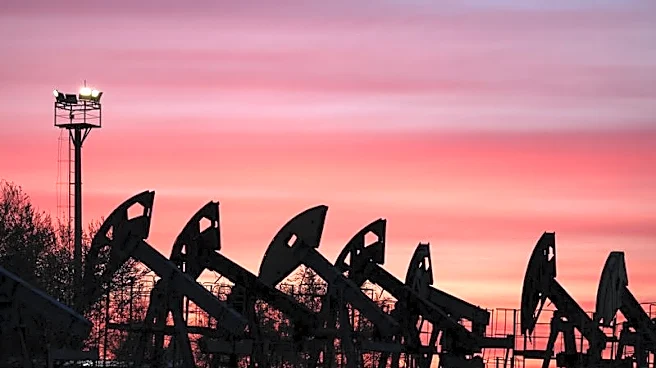
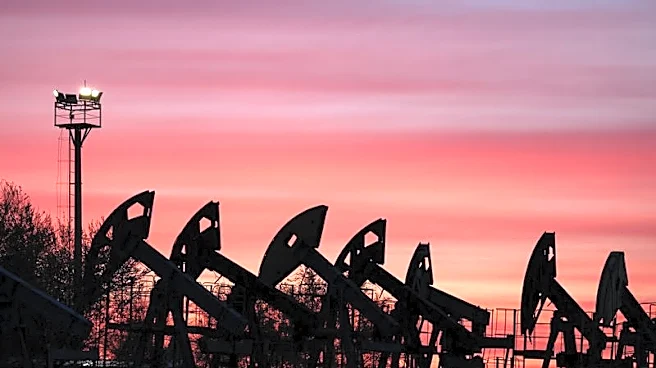
July 28 (Reuters) - Oil prices slid about 2% to a one-week low on Tuesday on cautious hopes for a resolution to the Iran war as traders continued to assess developments in the Middle East.
Brent futures fell $1.66, or 1.9%, to $86.70 a barrel at 10:15 a.m. EDT (1415 GMT), while U.S. West Texas Intermediate (WTI) crude fell $1.39, or 1.7%, to $81.22.
That put both crude benchmarks on track for their lowest closes since July 16.
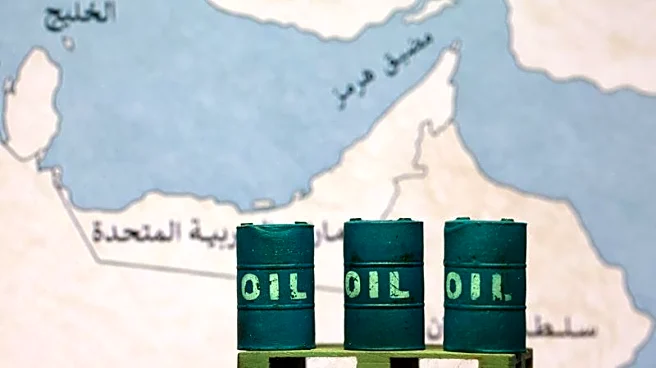
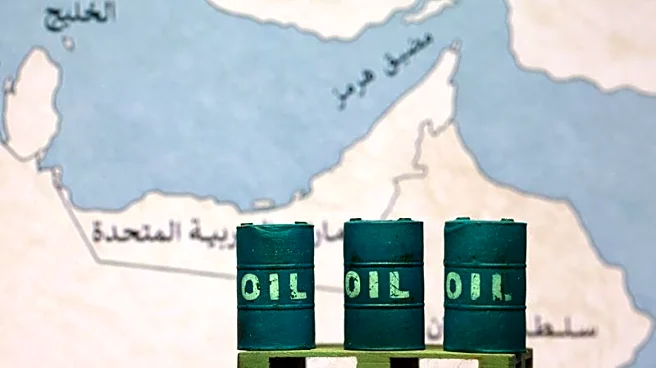
Oman has presented Iran with a plan backed by Gulf states
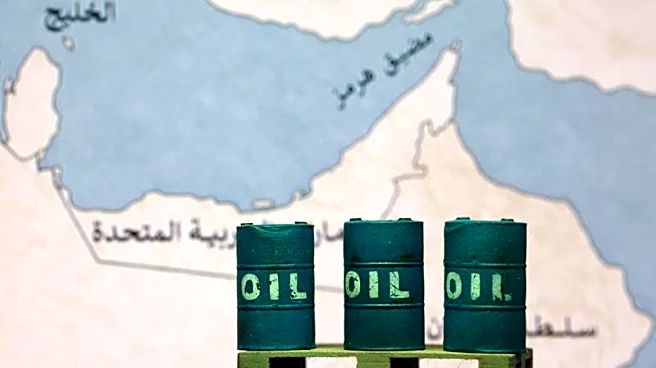
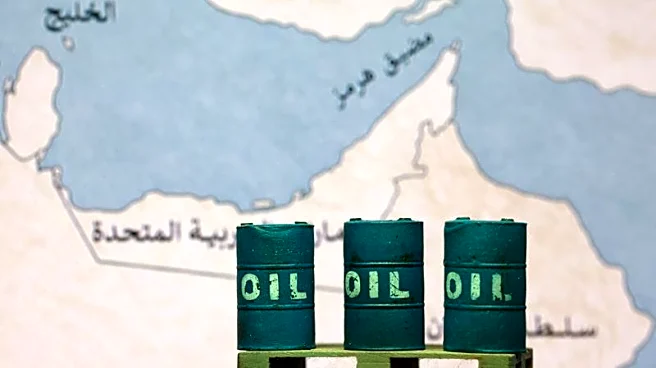
to manage the Strait of Hormuz, including collecting voluntary fees for using it, a Gulf source and a Western diplomat told Reuters on Tuesday. Before the war began on February 28, about a fifth of global oil supplies flowed through the strait.
U.S. President Donald Trump, who abruptly called off a two-week American bombing campaign over the weekend in his latest strategic U-turn, said there were "good talks" underway with Iran but threatened to restart strikes unless negotiations deliver. Iran denies seeking to resume talks with the United States.
"While flows of vessels through the Strait of Hormuz remain low, the market hopes the situation improves based on new talks between Oman and Iran on a new mechanism for Hormuz," UBS analyst Giovanni Staunovo said.
ELSEWHERE IN THE MIDDLE EAST
In a move that would reduce crude demand but reduce gasoline and diesel supplies, Saudi Aramco shut down its 400,000 barrel-per-day Jizan oil refinery in Saudi Arabia on July 27 following an attack by Iran-backed Houthi militants in Yemen on Saturday, a note from consultancy IIR seen by Reuters showed.
The Houthi conflict has disrupted shipping beyond the Strait of Hormuz, with traffic through the Bab el-Mandeb strait linking the Red Sea to the Gulf of Aden also affected. That has prompted Saudi Aramco to consider a new pricing mechanism for crude loading from Egypt's Sidi Kerir port for Asia to reflect higher shipping costs after re-routing exports through the Suez Mediterranean pipeline.
The number of vessels passing through Bab el-Mandeb rose to 28 on Monday, a four-day high, while traffic through the Strait of Hormuz remained low, according to Kpler shipping data.
The Organization of the Petroleum Exporting Countries (OPEC) and its allies like Russia, known collectively as OPEC+, are likely to pause its gradual oil output hikes after September for the rest of this year, four sources said, as the producer group needs to have additional talks before deciding its output quotas for 2027.
In Libya, production at the El Feel and Wafa oilfields resumed after a halt on Tuesday, with state oil firm NOC saying protesters had stormed the Mellitah oil and gas complex and disrupted operations.
ECONOMIC WORRIES
The U.S. dollar steadied near a four-week high on Tuesday as traders weighed the prospect of a U.S. Federal Reserve interest-rate hike this week, even as falling oil prices eased some inflation concerns.
The dollar's resilience reflects a sharp repricing of Fed expectations in recent months. Most major brokerages expect the Fed to hold interest rates steady this week, though a growing number said that the recent jump in oil prices could prompt a surprise rate hike.
A stronger U.S. dollar can reduce oil prices by making dollar-priced oil more expensive for many global buyers. Central banks like the Fed use higher interest rates to try to tame inflation. Higher interest rates boost consumer borrowing costs and can reduce economic growth and demand for oil.
U.S. OIL INVENTORIES
The oil market awaited weekly storage reports from the American Petroleum Institute (API) trade group later on Tuesday and the U.S. Energy Information Administration (EIA) on Wednesday.
Analysts estimated energy firms pulled 1.4 million barrels of crude from storage during the week ended July 24.
If correct, that would be the second week of declines in three weeks, and compares with an increase of 7.7 million barrels in the same week last year and an average decline of 1.0 million barrels over the past five years (2021 to 2025). [EIA/S] [API/S]
(Reporting by Scott DiSavino in New York, Anushree Mukherjee and Ishaan Arora in Bengaluru and Siyi Liu in Singapore; additional reporting by Stephanie Kelly in London; Editing by Alexandra Hudson, Jan Harvey, Will Dunham and Louise Heavens)