


By Avinash P and Purvi Agarwal
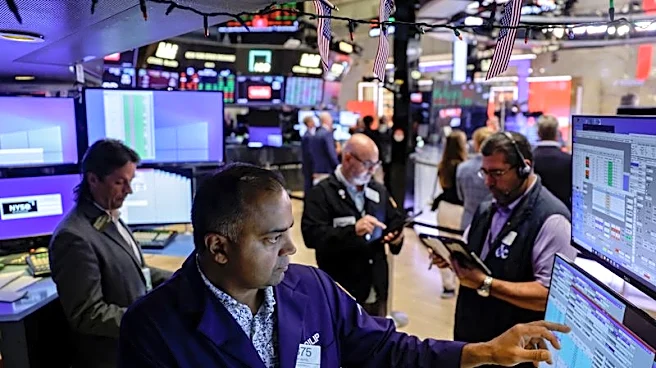
Aug 10 (Reuters) - S&P 500 and Nasdaq futures inched higher on Monday as investors assessed developments in the Middle East that could influence the reopening of the Strait of Hormuz, kicking off the week laden with crucial inflation data and earnings.
Iran said it was close to a final agreement with Oman defining new shipping lanes between them through the strait but repeated that the U.S. must meet several conditions before the strategic waterway is reopened.
The easing
of energy flows through the crucial choke point could mitigate concerns over heightened oil prices that have spurred inflation concerns and chances of interest rate hikes by central banks around the world.
Against this backdrop, readings of consumer and producer prices due later this week could be key to garnering clues on the Federal Reserve's monetary policy path, given Fed Chair Kevin Warsh's stance of offering muted forward guidance.
"The conflict in the Middle East continues to be a key factor driving market sentiment, offering a counterpoint to continued optimism about AI investment-led growth," said Marc Ostwald, chief economist and global strategist at ADM Investor Services.
Near-term interest rate-hike bets, however, tempered on Friday after data showed the U.S. economy unexpectedly shed jobs in July. Traders currently are pricing in a 44% chance of a rate hike in September, according to the CME FedWatch tool.
Comments from Cleveland Fed President Beth Hammack are expected later in the day.
At 7:08 a.m. ET, Dow E-minis were down 78 points, or 0.14%, S&P 500 E-minis were up 1.25 points, or 0.02%, and Nasdaq 100 E-minis were up 44.75 points, or 0.15%.
The benchmark S&P 500 hit a record close on Friday and the blue-chip Dow touched record highs last week.
The recent run has lifted the S&P 500's yearly gains to over 13%, with solid earnings especially from AI companies offsetting some concerns about high spending not yielding enough evidence of paying off.
"The rally in equities since end-July appears to confirm that the often violent sideways churn was more a case of clearing out some of the excessively leveraged positions than signalling a longer-term bearish turn," Ostwald said.
J.P.Morgan raised its year-end target for the benchmark to 8,000 from 7,800, pointing to robust corporate earnings and increasing optimism that hyperscalers' AI investments will accelerate revenue growth.
Of the 436 companies in the S&P 500 that have reported earnings to date for the June quarter, 85.1% have beaten analysts' expectations, according to LSEG data. The beat-rate stands well above the 67% seen in a typical quarter since 1994.
The earnings calendar thins out this week, with semiconductor company Applied Materials and networking equipment maker Cisco among the few reporting.
U.S.-listed shares of Barrick Mining dropped 5.2% in premarket trading after missing second-quarter profit estimates.
Elon Musk's SpaceX climbed 2.4%, building on a 22.8% jump clocked last week. Apple was down 1.3%, as Jefferies downgraded the iPhone-maker's stock to "underperform" from "hold".
Separately, the U.S. Senate, led by Republicans, passed a temporary bill to fund federal agencies through December 11 on Saturday, averting a crippling shutdown weeks before the November midterm elections.
(Reporting by Avinash P and Purvi Agarwal in Bengaluru; Editing by Maju Samuel)