





By Gabriel Araujo
SAO PAULO, Sept 1 (Reuters) - Brazil's economic growth slowed in the second quarter as elevated borrowing costs continued to weigh on activity and household consumption shrank, with the government now likely to lower its full-year GDP forecast as economists warn of a broader slowdown ahead.
Gross domestic product in Latin America's largest economy grew 0.5% in the April-June period from the previous quarter, statistics agency IBGE said on Tuesday. That was slower than the 1.1% expansion
in the first quarter but above the 0.4% forecast in a Reuters poll of economists.
On an annual basis, GDP rose 2.0% in the second quarter, also beating expectations for a 1.8% increase.
The figures add to evidence that economic activity is cooling as Brazil's central bank keeps monetary policy restrictive in a bid to curb inflation. Annual inflation stood at 4.24% in mid-August, above the bank's 3% target.
Although policymakers began an easing cycle in March, Brazil's benchmark interest rate remains at 14%, among the highest in real terms globally.
The data are also likely to draw attention ahead of the country's October presidential election, in which leftist President Luiz Inacio Lula da Silva is seeking a fourth non-consecutive term.
Brazil's Finance Ministry currently forecasts 2.3% growth in 2026, but said after the release that it was reviewing that estimate for its next macroeconomic report, with a downward bias.
The ministry expects the slowdown to continue in the third quarter as the impact of government stimulus measures fades, partly offset by lower borrowing costs, before a gradual recovery in the final three months of the year.
'HEADWINDS ARE ACCUMULATING'
A key sign of weakening domestic demand came from household consumption, which fell 0.4% in the second quarter, its first contraction in three quarters after expanding 0.8% in the January-March period.
A still-resilient labor market and rising incomes may prevent a steeper downturn, but government fiscal and credit support measures are expected to lose momentum.
"If there is no more positive signaling in economic policy after the election, and if interest rates remain restrictive for longer, the slowdown in GDP growth could be even greater in 2027," lender Inter's Chief Economist Rafaela Vitoria said.
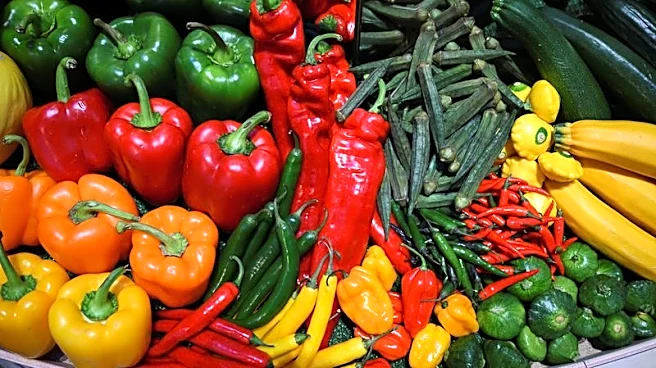
Agriculture led growth in the second quarter, expanding 2.8% from the previous three months on the back of strong harvests in key crops, including soybeans and coffee, for which Brazil is the world's largest producer and exporter.
Meanwhile, services grew 0.2% and industry edged up 0.1%.
"The sectors most sensitive to the economic cycle (services, industry) posted disappointing results," XP economist Rodolfo Margato said. "Headwinds are accumulating, and we expect activity to remain stagnant in the second half."
(Reporting by Gabriel Araujo; Additional reporting by Camila Moreira and Marcela Ayres; Editing by Isabel Teles, Mark Potter, Andrea Ricci and Nick Zieminski)