



By Promit Mukherjee and David Ljunggren
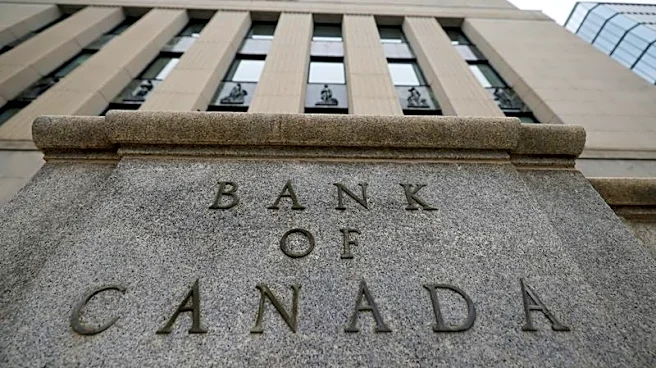
OTTAWA, Sept 2 (Reuters) - The Bank of Canada kept its key policy rate on hold at 2.25% on Wednesday, as widely expected, but said the risks to inflation had grown while new U.S. tariffs made growth prospects more uncertain.
Canada's economy, which rebounded at an annualized rate of 3.3% in the second quarter, faces dual risks from the worsening trade dispute with the United States. U.S. tariffs threaten to weaken growth, while Canada's dollar-for-dollar retaliation
could put upward pressure on domestic prices.
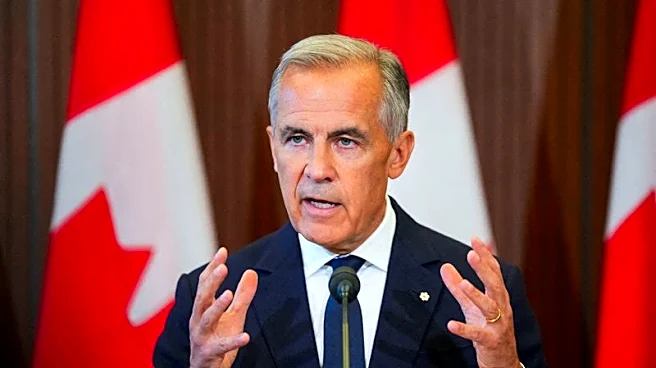
"Economic growth ... puts us on a stronger footing as we face new challenges. But uncertainty about the sustainability of the rebound has increased with new U.S. trade actions," Governor Tiff Macklem said in prepared remarks.
The benchmark rate has now been unchanged for 11 months, even as the trade tensions have worsened, while the economy and labor market have held up relatively well.
U.S. President Donald Trump’s latest 50% tariffs on some Canadian imports took effect after the second-quarter GDP data and economists have said the measures could hurt business and consumer sentiment. Canada’s retaliatory tariffs take effect next week.
While Macklem said that the new tariffs will not have a "large direct impact" on the overall level of economic activity, he said the uncertainty about the future of Canada-U.S. trade relations may lead businesses to delay investment and hiring decisions.
Canada's headline inflation rose beyond the central bank's upper cap of 3% in July, but closely watched core measures have hovered around the acceptable 2% level.
Macklem said as the Middle East war continues and gasoline prices stay high, there is a risk of broader inflation.
"The new U.S. tariffs and the Canadian counter-tariffs could add costs for some businesses and feed into consumer prices over time," he said.
The Canadian dollar was trading up 0.12%, or 72.07 U.S. cents, to C$1.3876 against the U.S. dollar. Yields on the two-year government bonds were up 1.6 basis points to 2.745%.
Money markets are not pricing in any change in the rate for the remainder of the year, but are pricing in a rate hike by January and about three additional quarter-point increases over the course of next year.
Economists have said the conflicting risks posed by U.S. and Canadian tariff hikes gave the central bank room to wait and assess their impact before changing borrowing costs.
(Reporting by Promit Mukherjee; Editing by Caroline Stauffer and Philippa Fletcher)