

By Leika Kihara and Makiko Yamazaki
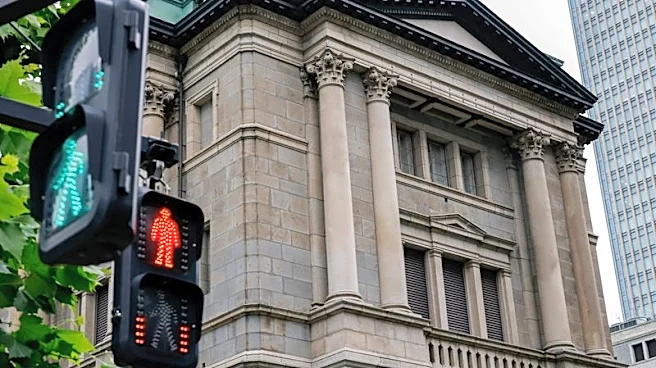
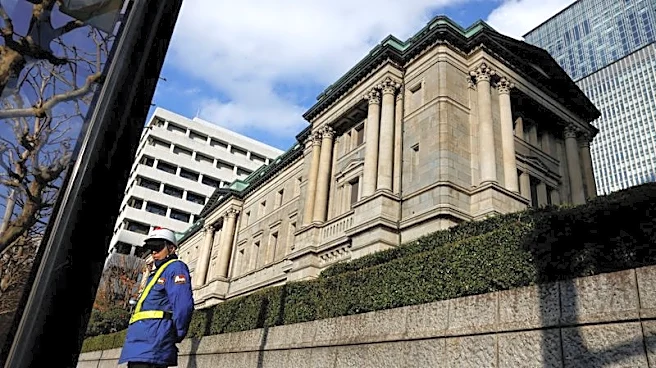
TOKYO, July 31 (Reuters) - The Bank of Japan on Friday warned for the first time that underlying inflation could exceed its target and said future policy discussions would focus on upside price risks, signalling the chance of a rate hike as soon as September.
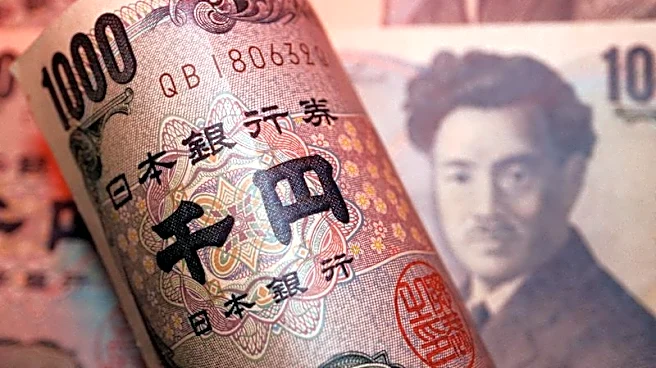
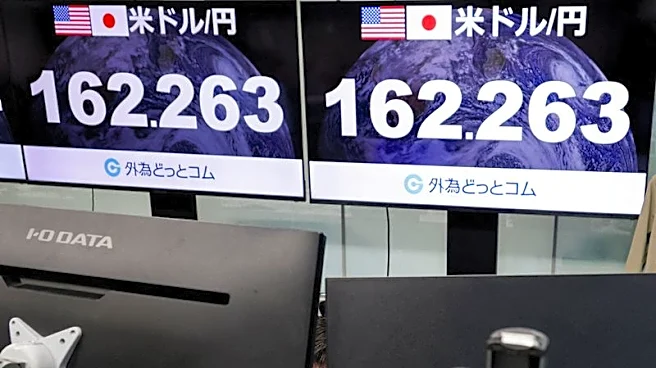
The hawkish signals came after the government's suspected yen-buying market intervention in New York markets on Thursday that underscored Tokyo's concern over the pain the weak yen was inflicting on households
through rising import costs.
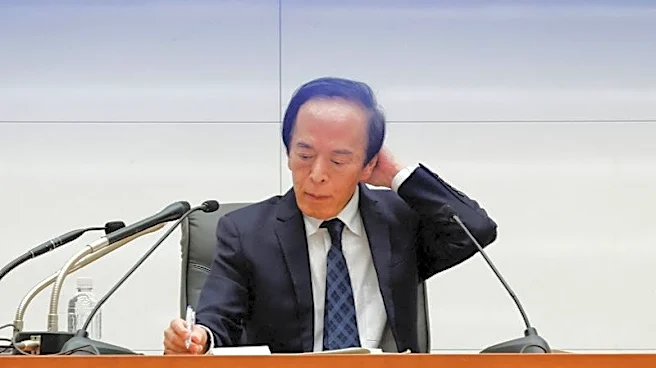
"Given underlying inflation is approaching our 2% target, we must be mindful of upside price risks more than ever. We will debate our policy from our next meeting onward with this point in mind," Governor Kazuo Ueda told a news briefing, referring to the bank's September policy meeting.
"At a time when there is a risk of underlying inflation overshooting, delaying necessary policy action could materialise such a risk and hurt the economy," he said, warning risks of an inflation overshoot were "too big to ignore."
At the two-day policy meeting that ended on Friday, the BOJ kept short-term interest rates steady at 1%, as widely expected after a hike to the 31-year-high level just last month.
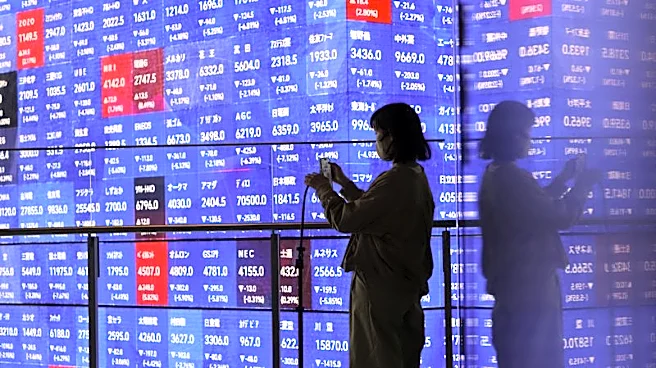
The BOJ's decision and its hawkish statement pushed up the two-year Japanese government bond yield. The yen initially posted little reaction to the decision but jumped sharply in European morning trade, with traders alert to the prospect of fresh intervention. It was not immediately clear what drove the market move on Friday or whether Japanese authorities were in the market.
Board member Hajime Takata was the sole dissenter to the decision, calling for a rate hike to 1.25% to respond to inflationary risks from external demand shocks.
In a quarterly outlook report, the BOJ flagged robust AI demand and exchange-rate fluctuations, as well as Middle East developments, as key inflation risks that could affect the pace and timing of future interest rate hikes.
"There is a risk underlying inflation could deviate above our 2% target," the report said, issuing the strongest warning to date of the chance of an overshoot in its key price gauge.
That language was stronger than that used in the previous outlook report released in April, in which the BOJ said underlying inflation was approaching 2% and required vigilance around upside price risks.
"Ueda's presser message was clear: more emphasis on yen weakness increasingly feeding into inflation," said Masahiko Loo, senior fixed income strategist at State Street Investment Management in Tokyo. "September-October is now live, with another hike by early 2027 increasingly plausible."
YEN PRESSURES
The BOJ's decision came after Japan conducted yen-buying, dollar-selling market intervention in New York markets on Thursday.
In a sign Tokyo's action had the blessing of Washington, U.S. Treasury Secretary Scott Bessent said Japan may have intervened to prop up its currency that looked "very undervalued," according to a Fox Business Network reporter.
In the outlook report, the BOJ said while risks to the economic outlook were evenly balanced, those for prices were skewed to the upside as rising chip prices from strong AI demand and recent yen falls were likely to push up inflation.
Ueda also pointed to a recent slew of data showing heightening medium- and long-term inflation expectations as "particularly notable."
"Many of our board member's inflation forecasts are fairly high and they see risks skewed to the upside," Ueda said. "I would like to take that into account in chairing future policy meetings."
HAWKISH TALK
At its June meeting, the BOJ signaled its readiness to tighten further as it focused on taming price pressures from the energy shock. Most analysts polled by Reuters expect the BOJ to raise rates again to 1.25% by year-end.
The slow pace of rate hikes has been blamed for pushing the yen to a 40-year low, leading to rising import costs that hurt households and retailers.
Japan's yen-buying intervention, first reported by the Nikkei newspaper, would be the first since Tokyo's record $73 billion yen-buying spree between late April and early May that had little effect in reversing the currency's downtrend.
Tokyo's top currency diplomat Atsushi Mimura on Friday declined to comment on intervention but hinted at U.S. involvement in the effort to stem the yen's decline, including so-called rate checks by the U.S. Federal Reserve.
He said Japan was communicating closely with South Korea, which also conducted dollar-selling intervention on Thursday.
Some analysts were sceptical about whether hawkish BOJ signals alone could keep yen bears at bay.
"No matter how much the BOJ steps on the accelerator, yen-depreciation pressure seems hard to suppress, partly because of the government's fiscal policy and other factors," said Hideo Kumano, chief economist at ABC Economic Research Institute in Tokyo.
(Reporting by Leika Kihara and Makiko Yamazaki; additional reporting by Satoshi Sugiyama and Kantaro Komiya; Editing by Sam Holmes)