




By Ahmed Aboulenein
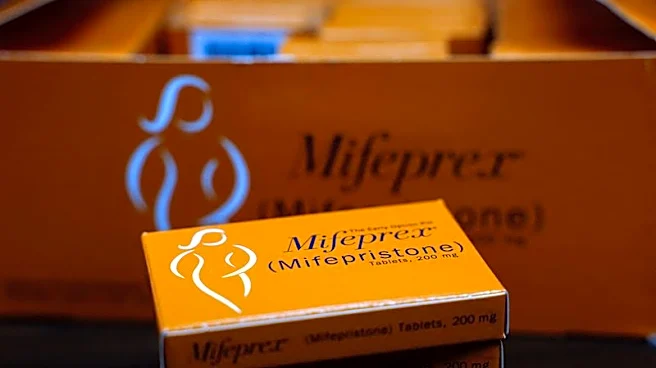
WASHINGTON, April 13 (Reuters) - U.S. pharmacies are largely filling prescriptions for the abortion pill mifepristone via mail-order in states permitting telehealth access to the medication, despite a 2023 FDA decision allowing retail pharmacies to dispense the drug, according to a study published on Monday.
The U.S. Food and Drug Administration in 2023 https://www.reuters.com/world/us/us-fda-says-abortion-pills-can-be-sold-retail-pharmacies-new-york-times-reports-2023-01-03/ authorized
retail pharmacies to provide mifepristone, the first of two pills used in medication abortion, during the first 10 weeks of pregnancy. This followed a prior rule change https://www.reuters.com/world/us/us-fda-allow-abortion-pill-by-mail-permanently-2021-12-16/ permitting the drug to be shipped by mail without in-person dispensing requirements.
Research from the University of Southern California published in the medical journal JAMA https://jamanetwork.com/journals/jama/article-abstract/2847577 showed that since January 2023, pharmacies have filled about 2,700 mifepristone prescriptions monthly. In the 27 states and the District of Columbia where telehealth abortion is allowed, fewer than 2% of those prescriptions were filled at physical retail pharmacies.
In 11 states where abortion is legal but telehealth access is restricted, some 61% of prescriptions were filled at in-store pharmacies, the study found.
The findings underscore the significance of mail-order dispensing for mifepristone after the U.S. Supreme Court overturned https://www.reuters.com/world/us/us-supreme-court-overturns-abortion-rights-landmark-2022-06-24/ the constitutional right to abortion in 2022, allowing states to ban or restrict the procedure. Researchers also noted substantial access disparities even in states with relatively robust abortion protections.
"It's striking how few retail pharmacies, particularly chains, are dispensing mifepristone where abortion is legal and telehealth is permitted," said Dima Qato, the study's lead author and senior scholar at the University of Southern California's Schaeffer Institute.
Pharmacy chains have come under pressure from both abortion rights advocates and anti-abortion groups following the FDA policy revision.
Restrictions implemented after the Supreme Court's ruling have driven a surge in medication abortion, which now accounts for 60% of all U.S. abortions. Nearly half of U.S. states have banned or severely limited abortion, fueling legal disputes at state and federal levels, and a push by anti-abortion activists to ban the pills as well.
Last week, a federal judge temporarily halted https://www.reuters.com/legal/government/us-judge-pauses-louisianas-challenge-fda-abortion-drug-rule-2026-04-07/ Louisiana's lawsuit seeking to restrict nationwide access to mifepristone. Senate Republicans are investigating https://www.reuters.com/business/healthcare-pharmaceuticals/us-senate-republicans-launch-probe-abortion-pill-makers-escalate-pressure-fda-2026-03-25/ mifepristone manufacturers and have urged the FDA to curb online sales of the drug, which the agency approved over 25 years ago.
(Reporting by Ahmed Aboulenein in Washington; Editing by Bill Berkrot)