
By Gabriel Burin
Feb 9 (Reuters) - Brazil's inflation is expected to have kept a moderate pace in January, a Reuters poll showed, probably remaining under the upper limit of the central bank's target range
for the third month in a row.
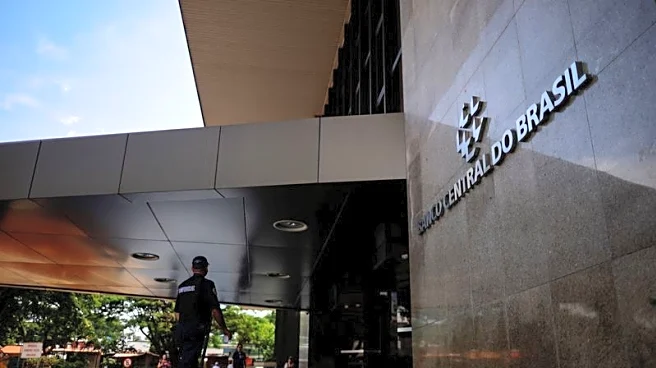
This should support growing hopes for an interest rate cut by Banco Central do Brasil in March that could open the door to more policy easing ahead.
Annual inflation likely picked up to 4.44% in January from 4.26% in December, according to the median estimate of 20 economists polled February 4-9.
However, that would still be lower than the 4.50% ceiling of BCB's target range of a 3% mid-goal with a tolerance margin of 1.5% above or below.
Estimates ranged from 4.38% to 4.60%, with only one forecast above the official 4.50% limit. Brazil's stats agency IBGE will publish last month's data on Tuesday.
On the month, consumer prices are estimated to have increased 0.32% after rising 0.33% in December, with significant growth in health services and personal care products already observed in a bi-weekly inflation reading.
Data for the month to mid-January saw a 1.38% jump in the personal hygiene segment which includes skin care products that are in high demand in the Southern Hemisphere summer.
Besides these trends in secondary categories, "higher fuel taxes and public‑transport fare adjustments should outweigh a pullback in electricity prices," said Gabriel Bisctrizan, an analyst at Sicredi.
"Food inflation remains calm, helped by softer industrial and semi‑processed items... and underlying services remain contained."
Last month's rise in a goods transport tax that represents a significant part of the final cost of gasoline more than offset recent fuel price cuts by Brazilian state-run oil company Petrobras.
But last year's bumper crop has eased the upward trajectory of food costs, while the country's industrial decline continues to limit manufacturers' pricing power.
Yet, "services disinflation is likely to be slower given a still-heated labour market and persistent wage pressures," Buysidebrazil analysts wrote in a report.
"Even so the gradual moderation in activity, combined with lower inflation inertia and a more stable exchange rate, should contribute to a progressive slowdown in this segment over the year," they added.
Last year's appreciation of the domestic currency, resulting from steep interest rates in Latin America's No. 1 economy, has been a key driver of lower inflation.
The central bank signaled last week it would begin cutting borrowing costs in March but stressed they would stay at restrictive levels.
(Reporting and polling by Gabriel Burin; Editing by Jonathan Cable; Editing by Chizu Nomiyama )