


By Heejin Kim and Joyce Lee
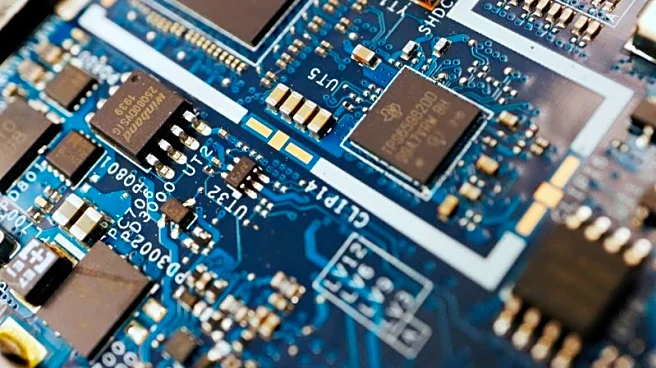
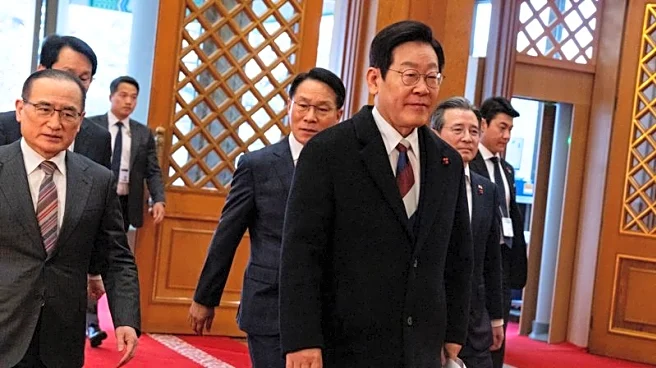
SEOUL, Jan 21 (Reuters) - South Korean President Lee Jae Myung said on Wednesday if Washington introduced higher U.S. tariffs on semiconductor imports, it would likely boost U.S. prices, playing down concerns about the proposed 100% duty.
U.S. Commerce Secretary Howard Lutnick has said that South Korean and Taiwanese chipmakers may face tariffs of up to 100% unless they commit to increased production on American soil.
Lee said that given South Korean and Taiwanese chipmakers'
dominance of the market, a 100% U.S. import duty would likely sharply raise prices for chip products in the United States.
"They have a monopoly of 80 to 90% ... so most of it is likely to be passed on to U.S. prices," Lee told a news conference.
South Korea already has safeguards in place under a trade agreement with the U.S. to ensure its chipmakers would not be left at a disadvantage to Taiwanese or any other global competitors, Lee said.
South Korea’s exports hit a record high of $709.4 billion in 2025, up 3.8% from a year earlier, as semiconductor shipments jumped 22% on strong demand for artificial intelligence investments.
Chip exports to the U.S. accounted for 8% of the total $173.4 billion semiconductor exports, while China remained the biggest market, followed by Taiwan and Vietnam.
SLUMPING WON CURRENCY
Lee also touched on the slumping won in his remarks, citing expectations by South Korean authorities that the currency would strengthen to around the 1,400 per dollar level in a month or two.
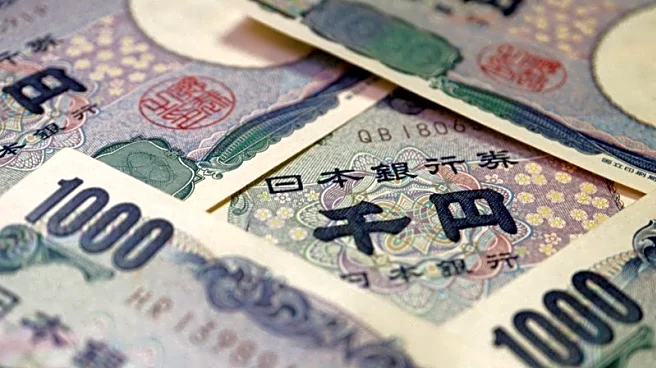
The president noted, however, that domestic policies alone would not be sufficient to stabilise foreign exchange markets, as it was somewhat correlated with weakness in the Japanese yen, adding that the won was faring comparably better.
NORTH KOREA TALKS
Lee said he was pursuing diplomatic efforts to enable North Korea and the U.S. to resume dialogue and that a pragmatic approach was needed to deal with Pyongyang, which was continuing to stockpile nuclear arms.
"There is a benefit to making the North stop making nuclear materials and not export nukes and stop developing ICBMs," he said, referring to intercontinental ballistic missiles, adding it would be hard to imagine the North would actually give up its nuclear weapons programme.
North Korea has so far snubbed outreach by Lee and U.S. President Donald Trump to resume dialogue. The talks have stalled since Trump met the North's leader Kim Jong Un in 2019, amid disagreement over lifting sanctions against Pyongyang and nuclear dismantlement.
(Reporting by Heejin Kim, Joyce Lee, Cynthia Kim, Kyu-seok Shim, Jihoon Lee, writing by Jack KimEditing by Ed Davies)