

WASHINGTON, Jan 9 (Reuters) - Citing a court order, the Trump administration said on Friday it will fund the Consumer Financial Protection Bureau with $145 million, a reversal that ends an 11-month battle that pushed the consumer watchdog toward insolvency.
President Donald Trump's budget director, Russell Vought, has requested funding from the Federal Reserve, according to a letter filed in federal court on Friday. The move came a month after a federal judge rejected the administration's argument
that it was legally barred from drawing funds from the central bank, which supplies the agency's budget.
A spokesperson for the Fed declined to comment. CFPB representatives did not immediately respond to a request for comment. In the past, the Fed has always supplied the requested funding.
The Trump administration this year has alternated between moving to shut the CFPB down entirely and reducing it to a fraction of its former size. Top officials have accused it of politicized enforcement and burdening free enterprise, charges the agency's supporters and staff reject.
The about-face marks another setback for the administration's efforts to dismantle the CFPB following an appeals court decision last month that threw out an earlier decision that would have allowed agency leadership to proceed with mass firings.
The funding will come as a lifeline to an agency that had been perhaps mere weeks away from insolvency. The agency had informed a judge last year that it could not guarantee sufficient funding to meet its expenses after December 31.
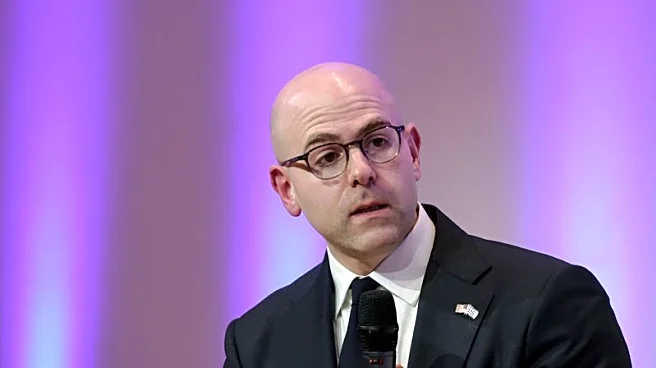
In Friday's letter to Fed Chair Jerome Powell, Russell Vought, who serves both as the head of the Office of Management and Budget and the acting CFPB director, said that although he disagreed with the court's order, the $145 million would be sufficient to carry out the CFPB's functions from January to March.
The amount requested is in line with the CFPB's average quarterly funding draw over the past decade but comes after nearly a year in which the agency had drawn down its available finances. The agency, however, is facing lower costs due to the suspension of most activities and an exodus of workers.
(Reporting by Douglas Gillison in Washington; Editing by Chris Reese and Lisa Shumaker)