






By Shashwat Chauhan and Purvi Agarwal
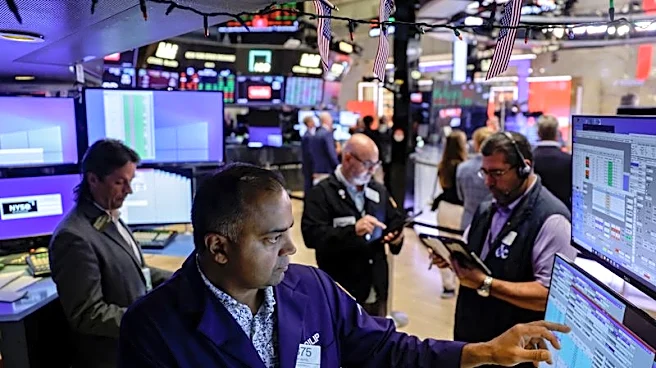
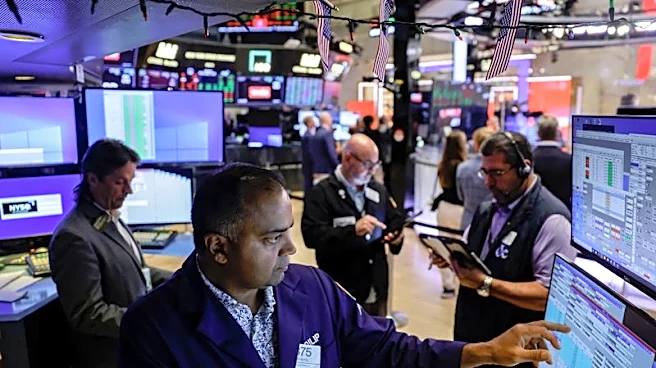
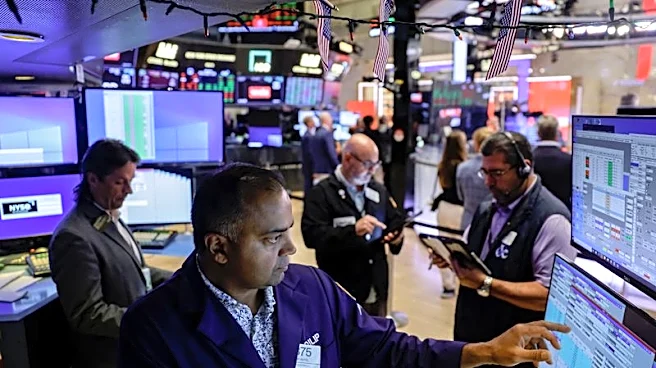
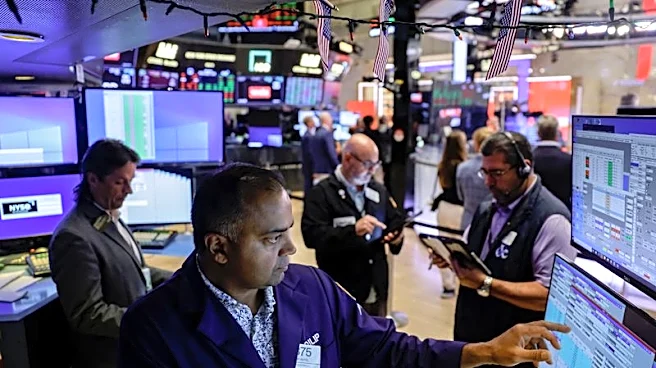
Aug 18 (Reuters) - Wall Street's main indexes fell to about two-week lows on Tuesday, pressured by losses in heavyweight technology stocks, while fading hopes for a U.S.-Iran peace deal sustained gains in oil prices and kept government bond yields at multi-year peaks.
Iran said it would shift to a "fully offensive" military posture because efforts to negotiate a permanent end to the war with the U.S. have stalled, while Washington ruled out extending a temporary
ceasefire agreement that expired on August 17.
The developments pushed Brent crude futures up 0.5% at around three-week highs. The S&P 500 Energy sector gained 1.4%.
The yield on the 30-year Treasury bond stood at its highest since 2007, while that on the benchmark 10-year maturity held near its highest level since January 2025.
"The yields are troubling people because it portends a tighter environment and it's going to be more expensive to borrow money," said Kim Forrest, chief investment officer at Bokeh Capital Partners.
"Especially in this whole AI thing where time to pay it back is uncertain. It makes for a nervous investor environment."
Most megacap and growth stocks declined, as high government bond yields potentially lower the present value of future tech profits and increase corporate borrowing costs.
Nvidia was down 2%, and Meta Platforms lost 3%. The S&P 500 Information Technology sector was the biggest drag, down 1.5%.
Chipmakers also came under heavy selling pressure, with the Philadelphia SE Semiconductor index falling 3.7% to trade at its lowest in one week.
Investors flocked to healthcare and consumer staples stocks, considered traditionally defensive, amid the volatility.
The CBOE Volatility Index, commonly dubbed as Wall Street's "fear gauge", jumped to its highest in about two weeks.
At 09:35 a.m. ET, the Dow Jones Industrial Average fell 132.55 points, or 0.25%, to 53,327.23. The S&P 500 lost 35.37 points, or 0.46%, to 7,709.69, while the Nasdaq Composite dropped 275.95 points, or 1.04%, to 26,368.96.
Home-improvement retailer Home Depot was subdued in choppy trading even as it beat second-quarter sales estimates.
Strong earnings from several companies, including some AI hyperscalers, had pushed the S&P 500 and the Dow to all-time highs earlier this month. Investors now see the quarterly report by AI bellwether Nvidia, due in the upcoming week, as the next test for the AI-driven momentum.
U.S. technology stocks have seen immense volatility in the past few months as investors remain nervous about whether hefty AI spending is paying off or not.
The benchmark S&P 500 closed lower in the previous session, backing away from record highs as higher crude oil prices revived inflation worries.
Money-market data showed traders still see a 96% chance of a 25-basis-points rate hike this year, though odds of an increase as soon as September have come down following tame inflation data last week.
Minutes from the Federal Reserve's July meeting, due on Wednesday, could offer more clues about how the central bank is assessing the current environment.
Declining issues outnumbered advancers by a 1.21-to-1 ratio on the NYSE and by a 1.6-to-1 ratio on the Nasdaq.
The S&P 500 posted six new 52-week highs and one new low, while the Nasdaq Composite recorded 17 new highs and 39 new lows.
(Reporting by Shashwat Chauhan and Purvi Agarwal in Bengaluru; Editing by Shilpi Majumdar)