





By Andy Sullivan
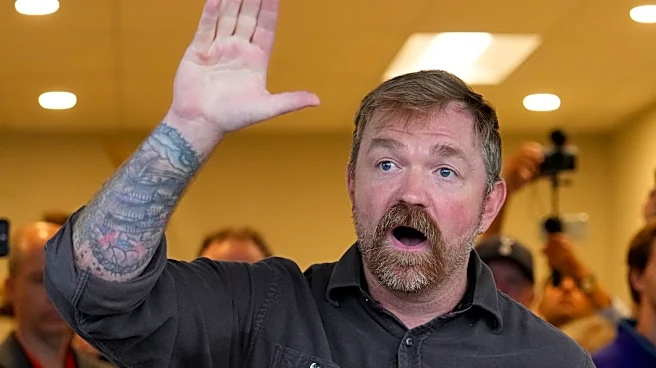
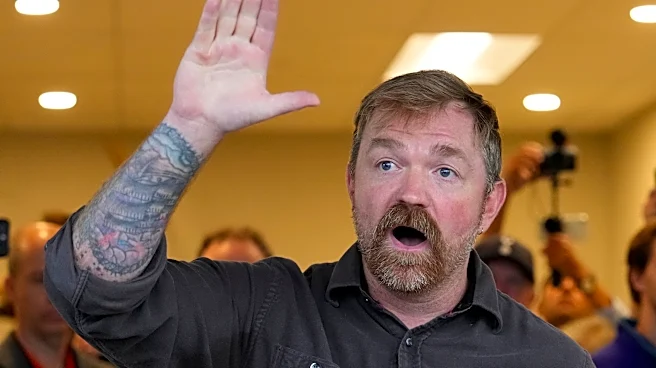
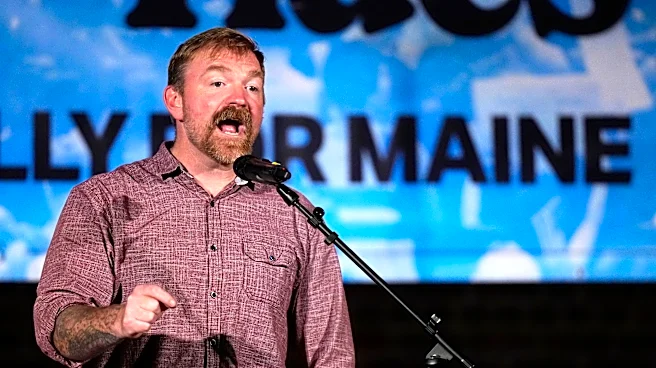
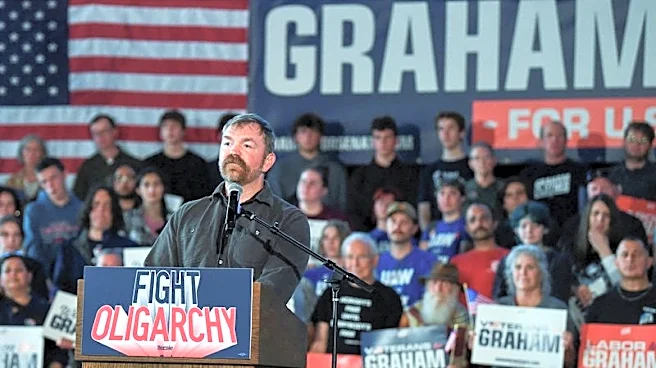
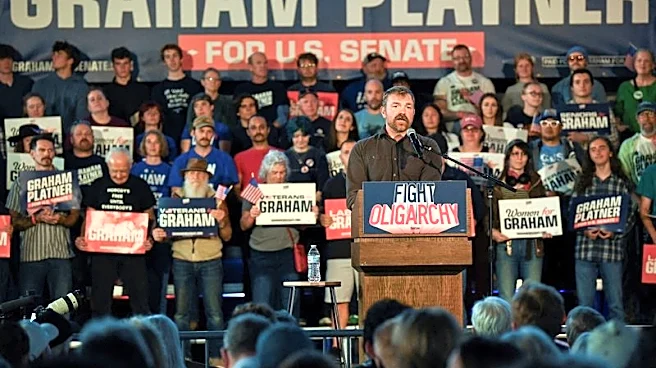
June 9 (Reuters) - Maine oyster farmer Graham Platner faces Democratic voters on Tuesday under scrutiny over online posts, a Nazi-linked tattoo and allegations he sent explicit texts in a Senate race that could determine whether his party wins control of the U.S. Senate in November.
Platner, a Marine veteran who has campaigned as a populist outsider, is seen as the likely winner of Tuesday's primary. A newcomer to politics, he faces persistent questions about his past behavior that
will loom large if he wins the nomination to take on incumbent Republican Senator Susan Collins, 73, a moderate who has won comfortable election victories since 1996 despite the state trending Democratic.
He faces allegations that he sent sexually explicit texts to multiple women last year, while former girlfriends told the New York Times he at times behaved in ways they described as unsettling.
Platner, 41, has apologized for the behavior and said he struggled with post-traumatic stress disorder and depression following combat duty in Iraq and Afghanistan. He said he did not know the tattoo resembled a Nazi insignia and had it covered up last year.
The Maine Senate race is seen by analysts as one of the most competitive in the November midterm elections, when control of the Senate and the House of Representatives is at stake. Democrats need to pick up four seats from Republicans to win a majority in the 100-seat Senate.
DEMOCRATIC LEADERS STICK WITH PLATNER
While some Democrats have called the revelations about Platner's past disturbing, progressive backers like Senator Bernie Sanders of Vermont have stuck with him and no prominent figures in the party have called for him to drop out. Platner did not mention the controversies — nor was he asked about them — at an hour-long town hall in Portland, Maine, on Sunday.
Platner's background may not be disqualifying for Democratic voters, but it may be a more significant factor in the matchup against Collins.
"She doesn't always vote the way I like, but I call her the lesser of two evils. I hate to say it, but the other side is... there's a lot of negative things coming out that I wouldn't want in a dog catcher in my town," Barbara Fenlason, 76, a piano teacher from Verona Island, Maine, told Reuters last week.
Democrats aren't without options if more controversies emerge. The party can replace him if he wins the primary but drops out before July 13, according to state law. Platner's top rival, Governor Janet Mills, suspended her campaign in April but said last week that she remains on the ballot.
Maine Democrats also will pick a candidate to help them retain control of a Republican-leaning House seat that covers the state's forested interior.
With centrist Democrat Jared Golden retiring, Democrats will choose between state Senator Joe Baldacci, who is seen as the most moderate candidate, and a trio of progressives: Matt Dunlap, the state auditor, former congressional aide Jordan Wood, and social worker Paige Loud. Paul LePage, the combative former governor, is expected to win the Republican nomination.
The winner of these contests might not be known for days, as the state uses a ranked-choice voting system that can take time to tabulate.
SOUTH CAROLINA, NEVADA CONTESTS AS WELL
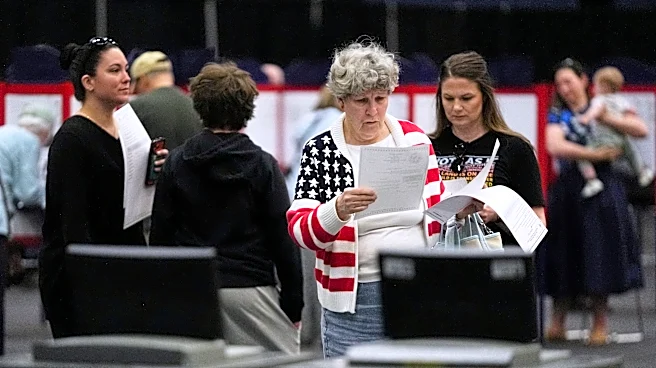
Voters in Nevada, North Dakota and South Carolina also cast ballots on Tuesday. In South Carolina, the crowded Republican gubernatorial primary includes Representative Nancy Mace, who has occasionally tangled with other members of her party, and Lieutenant Governor Pamela Evette, who has been endorsed by her fellow Republican, President Donald Trump.
In Nevada, video game composer Marty O'Donnell has won Trump's endorsement and is seen as the leading candidate to win the Republican primary to take on incumbent Democratic Representative Susie Lee in a Republican-leaning Las Vegas district. Other Republican candidates include Jeff Gunter, a former ambassador to Iceland, and neurosurgeon Aury Nagy.
Lee also faces a primary challenger in cardiologist James Lally, who has criticized her support for Israel.
For Takeaways on Tuesday's primaries, read here
(Reporting by Andy Sullivan; Additional reporting by Aleks Michalska; Editing by Michael Learmonth and Howard Goller)