
MUMBAI, Feb 2 (Reuters) - The Indian rupee and government bonds are expected to extend their rough patch this week as the government’s higher-than-expected borrowing plan is a concern for traders while
weak capital flows leave the currency exposed.
The rupee fell to a record low of 91.9875 per dollar on Friday, ending just shy of the 92 mark, falling more than 2% in January.
India unveiled its federal budget on Sunday for the fiscal year starting April 1. A lack of big-bang announcements and a hike in taxes on equity derivative transactions that investors weren't anticipating weighed on local stocks, while FX and fixed income markets were shut.
The government shifted to targeting the debt-to-GDP ratio for fiscal policy, aiming to bring down this ratio to 55.6% in the next fiscal year, with a fiscal deficit of 4.3% of GDP.
The rupee is likely to continue its feeble recent form, with traders anticipating a fall past the 92 per dollar handle.
Government bond yields are expected to rise as market participants respond to the planned gross borrowing of a record 17.20 trillion rupees ($187.63 billion) in fiscal year 2027.
Market participants were expecting gross borrowing in the range of 16 trillion rupees to 17.50 trillion rupees, with the median of a Reuters poll of 35 economists at 16.3 trillion rupees.
"The government's borrowing number is slightly higher than what the market expected, so the supply-demand imbalance issues for government bonds are likely to persist," said Vivek Rajpal, Asia macro strategist at JB Drax Honore.
"The Reserve Bank of India (RBI) will have to continue to be the marginal buyer of government debt," referring to the central bank's bond purchases.
The gross borrowing will be 17% higher than the current year's 14.61 trillion rupees. The net borrowing will also rise to 11.73 trillion rupees from 11.33 trillion rupees for the current year.
The 10-year benchmark 6.48% 2035 yield settled at 6.6963% on Friday, marking its fourth weekly rise in five, as worries over demand-supply mismatch for debt dominated the run up to the budget.
Traders expect the yield to move in a 6.62% to 6.75% range until the release of the central bank's monetary policy decision on Friday, where rates are expected to be left unchanged.
At the policy, focus will be on transmission of previous rate cuts through liquidity operations. The RBI cut policy rates by 125 basis points last year, though transmission has been hampered by a rise in government bond yields and intermittent liquidity pressures linked to market interventions to support the rupee.
Traders say heavy debt supply could keep yields elevated going ahead, even after the RBI's unprecedented measures to ensure sufficient banking system liquidity, including record bond purchases and foreign-exchange swaps.
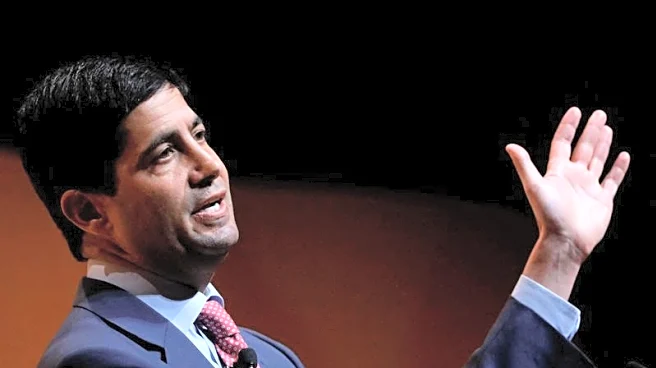
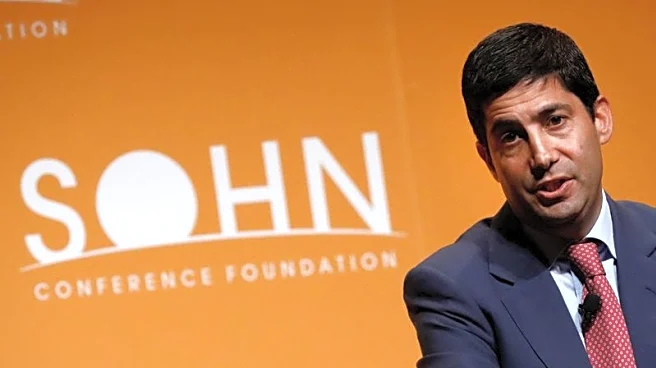
Government bonds will have to contend with a firmer U.S. dollar and an uptick in longer tenor U.S. bond yields after former Federal Reserve Governor Kevin Warsh was selected to be the next Fed chair.
Warsh is seen as being likely to support lower interest rates, but stopping well short of the more aggressive easing preferences associated with some of the other potential nominees.
The dollar index rose 1% on Friday, while the yield on the 10-year and 30-year U.S. Treasuries also drifted higher. KEY EVENTS: India
** January HSBC manufacturing PMI – February 2, Monday (10:30 a.m.)
** January HSBC services PMI – February 4, Wednesday (10:30 a.m.)
** RBI monetary policy decision – February 6, Friday (10:00 a.m.)(Reuters poll: no change) U.S.
** January S&P Global manufacturing PMI final – February 2, Monday (8:15 p.m. IST)
** January ISM manufacturing PMI - February 2, Monday (8:30 p.m. IST)
** January S&P Global composite PMI final – February 4, Wednesday (8:15 p.m. IST)** January S&P Global services PMI final - February 4, Wednesday (8:15 p.m. IST)** January ISM non-manufacturing PMI – February 4, Wednesday (8:30 p.m. IST)
** Initial weekly jobless claims for week to January 31 – February 5, Thursday (7:00 p.m. IST)
** January non-farm payroll and unemployment rate – February 6, Friday (7:00 p.m. IST)
($1 = 91.6710 Indian rupees)
(Reporting by Jaspreet Kalra and Dharamraj Dhutia; Editing by Ronojoy Mazumdar)