






By Howard Schneider
WASHINGTON, June 17 (Reuters) - Is the second half of 2026 when the U.S. consumer finally cracks and leaves the economy gasping for breath, or will rising inflation and strong investment and hiring force the Federal Reserve to hike interest rates to tame surging growth similar to what happened during the COVID-19 pandemic?
Pick a view and there is a highly trained economist helping advise billions of dollars in capital who shares it, particularly now when the outlook is muddied
by volatile geopolitics, U.S. growth that seems narrowly based but continues beating expectations, and financial markets that may reflect an economy on the cusp of a profound transformation or yet another bubble.
For Fed rate policy "the next move will be lower. (Inflation) expectations are anchored, real wage gains are negative," said Chris Hodge, head U.S. economist at Natixis CIB Americas, with two quarter-percentage-point rate cuts in coming months as consumer weakness and the impact of falling inflation-adjusted wages starts to be felt. "Are they going to want to hike in an environment when inflation is driven by supply considerations?"
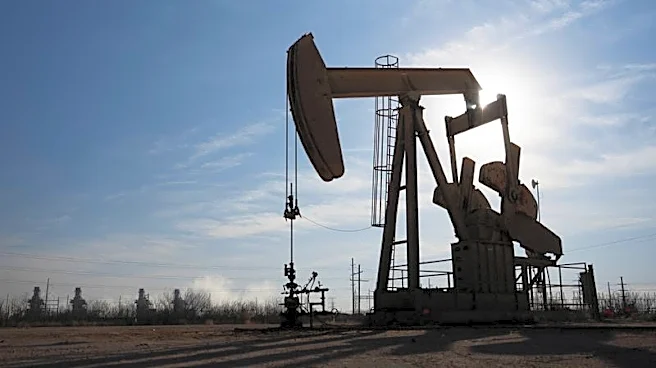
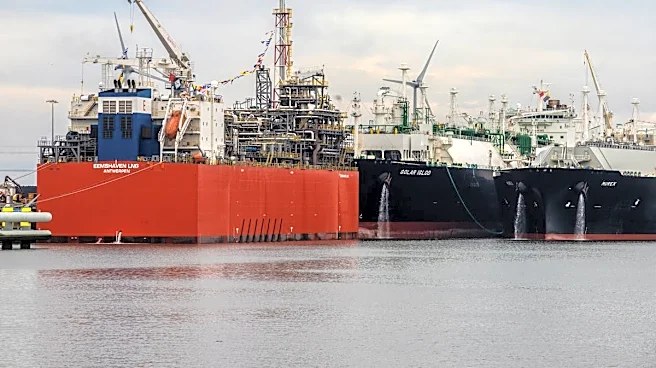
Indeed, since the announcement of a U.S.-Iran deal reopening the Strait of Hormuz, global benchmark oil prices have plummeted to below $80 a barrel and are now barely 10% above where they were before the start of U.S.-backed bombing led Iran to shut the strategic waterway. Citi economists see even more potential for dovishness, and expect sequential rate cuts at Fed meetings in September, October and December.
At PGIM, by contrast, Chief Economist Robert Sockin sees three rate hikes coming in an economy that "continues to power along with above-trend growth, above-target inflation, and now a warming labor market" that after a slow start of the year is producing jobs at a pace more comparable to the years before the pandemic.
The gap in professional views is perhaps understandable given all that is in play right now. Here's just some of what's up in the air: A still-unsettled regime of import taxes under court challenge even as President Donald Trump seeks new ways to impose them; oil prices that soared more than 70% during the U.S.-Iran hostilities but are now plunging; and tension between the artificial intelligence investment boom and the falling share of economic growth going to workers. Meanwhile, new Fed Chairman Kevin Warsh is still to provide his first view of the landscape.
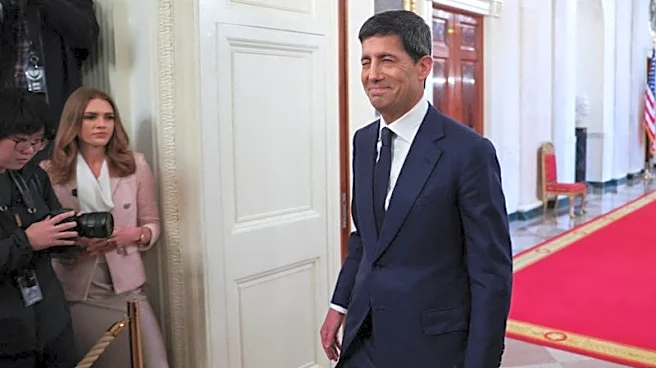
The first meeting chaired by Warsh concludes on Wednesday. Interest rates are expected to remain on hold in the current 3.50%-to-3.75% range, but between a new set of economic projections from Fed policymakers and Warsh's debut press conference, the hunt will be on for signs of whether the Fed sees the dawn of a new disinflationary era ahead or increased risks that high inflation will require higher borrowing costs.
The broad expectation is the new projections will show the Fed remaining on hold this year, though with a growing sense that a rate increase may be needed. Investors expect just a single quarter-point rate increase by the end of the year.
Given the divergence of views in the profession and at the central bank itself, there may be more incentive than usual to say as little about the future as possible.
"There are 19 Fed policymakers, and it wouldn't be a stretch to say that they have 19 different views on the balance of risks regarding the conflict in Iran, the impact on the outlook for growth and inflation, and the appropriate policy response," wrote Thomas Simons, chief economist with Jefferies. "On top of great uncertainty about the outlook, solid labor market fundamentals and a lack of bleed-through of high energy prices to core inflation gives the FOMC breathing room to maintain their wait-and-see approach."
(Reporting by Howard Schneider; Editing by Dan Burns and Andrea Ricci )