




BEIJING, Aug 6 (Reuters) - China's export growth likely lost some steam last month after June's blistering surge, but remained robust, a Reuters poll showed, powered by global demand for AI-related goods and a rush of shipments by factories ahead of expected higher U.S. tariffs.
Trade figures due from China's customs agency on Friday will offer an early reading on the health of the world's second-largest economy at the start of the second half, after growth lost momentum in the second quarter.
Exports
are expected to have expanded 22.2% year-on-year in July in U.S. dollar value terms, slowing from the 27% surge the previous month, according to a Reuters poll of 35 economists. Imports are forecast to have risen 27.9%, softening from a 36% jump.
China's exporters have enjoyed a powerful tailwind this year from the global artificial intelligence boom, helping shield the economy from geopolitical shocks and keeping economic growth on track despite persistent domestic fragility.
The Asian giant's trade surplus, which topped $1 trillion last year, has triggered Western trading partners' concerns and heightened tensions over trade imbalances. Any escalation in those disputes risks ushering in new tariffs, barriers or other restrictions that could test the durability of China's export-led momentum.
The trade surplus is expected to come in at $107 billion in July, down from $125.62 billion the previous month.
Besides the AI investment boom, Chinese and U.S. businesses' frontloading of shipments ahead of expected hikes in Washington's tariffs likely also boosted China's exports.
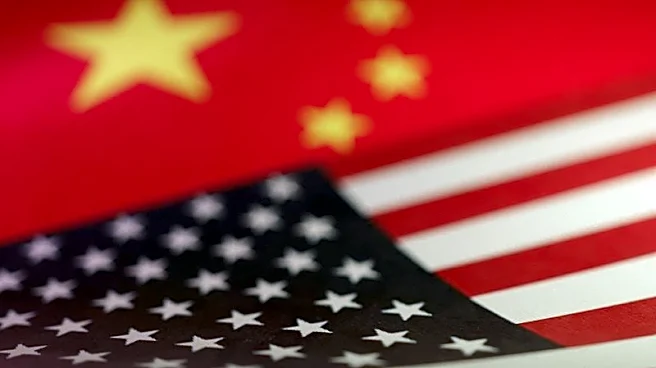
On July 24, the U.S. imposed a new 12.5% tariff on Chinese imports after a temporary 10% levy expired, part of a broader global tariff campaign targeting trading partners Washington says have failed to curb forced labour. A separate U.S. investigation into trading partners' excess capacity will likely result in additional tariffs.
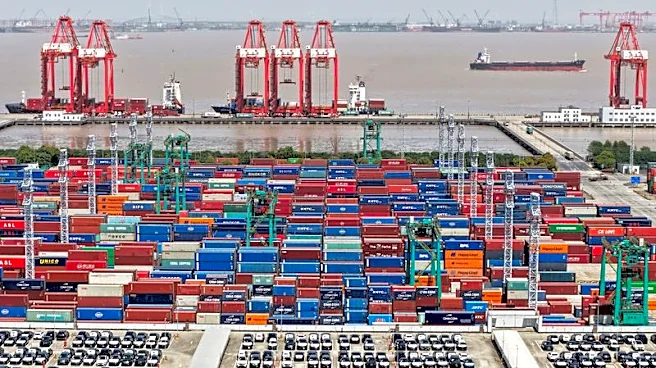
Analysts say disruptions from extreme weather, such as typhoons, likely weakened port throughput and shipping in July, slowing exports and imports.
Official data released late July showed that China's factory activity as well as services and construction activities all contracted in July as demand slipped, while separate private surveys pointed to slower growth across the broader economy.
The Politburo, China's top decision-making body, indicated stronger support for the economy in a late July meeting with pledges of accelerating fiscal spending and timely adjustments to monetary policy tools. However, leaders stopped short of announcing consumer-focused stimulus measures or broader structural changes long sought by trading partners and economists.
(Reporting by Yukun Zhang and Ryan Woo; Polling by Susobhan Sarkar in Bengaluru and Jing Wang in Shanghai;Editing by Shri Navaratnam)