


By Nichola Groom
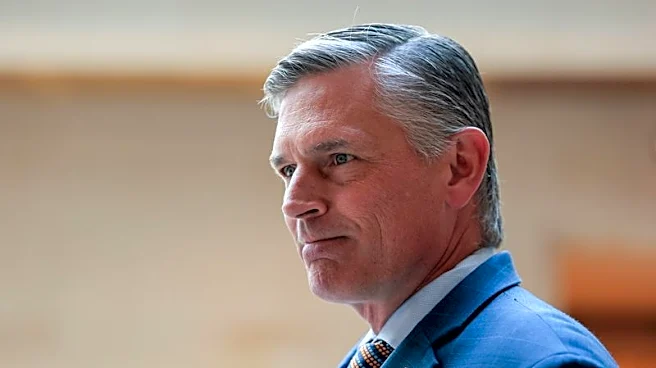
Nov 9 (Reuters) - Democratic US Senators Martin Heinrich of New Mexico and Sheldon Whitehouse of Rhode Island rallied on Monday for a bipartisan energy permitting bill ahead of a preliminary vote, arguing recent changes to the legislation and assurances from the Trump administration on stalled wind projects should help win over skeptics in their party.
The Senate is expected to vote on Monday evening to open debate on the Bipartisan American Affordability and Jobs Act, a sweeping package
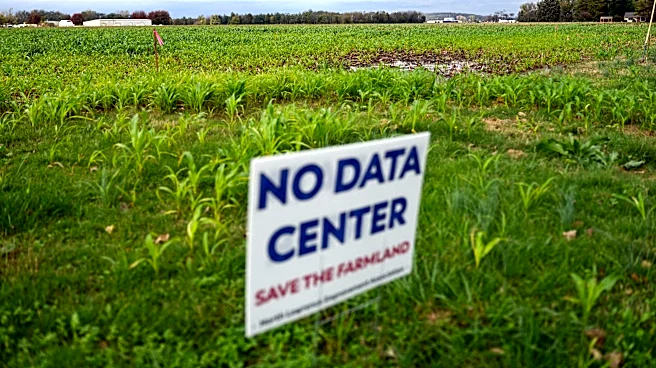
that would speed approvals for power plants, transmission lines, mines and other infrastructure projects while requiring large data centers to pay more of the costs of grid upgrades needed to serve them.
The vote is an early test of whether the bill's Democratic sponsors can hold their party together behind a measure that some environmental and tribal groups oppose, but which its backers say would lower electricity costs.
The package of changes unveiled on Saturday added requirements for consultation with Native communities, expanded states' role in transmission planning and utility oversight, modified provisions affecting electric cooperatives and public power utilities, and established a new Department of Energy program to provide communities with assistance on data-center impacts.
The senators pushed back on suggestions that Democrats should shelve the legislation until next year, arguing the measure would deliver savings on electricity costs and provide a foundation for additional environmental legislation under a Democratic-controlled Congress.
"This bill is the floor, not the ceiling, of our climate and environmental aspirations," Whitehouse said. "We look forward to working to accomplish big things with our big Democratic majorities."
The legislation still faces opposition from environmental and Native American groups. The National Congress of American Indians, the largest advocacy group for tribes, on Monday urged Congress to halt consideration of the bill, saying it would weaken tribal sovereignty and protections for sacred sites.
Heinrich said the changes strengthened tribal protections by requiring federal agencies to consult with tribes throughout the permitting process, giving tribes an equal role with states in transmission planning and expanding opportunities to object to projects affecting cultural resources.
"We worked to strengthen that dramatically," he said.
Environmental group League of Conservation Voters and the left-leaning think tank Center for American Progress said the changes were improvements but the bill still carries significant risks for public lands and environmental protections.
TRIBAL AND ENVIRONMENTAL CONCERNS PERSIST
Oregon Democratic Senator Jeff Merkley, a leading Senate voice on environmental issues, said he opposed the overall package because it would speed construction of natural gas pipelines and LNG export facilities, weaken environmental protections and limit tools to challenge projects.
"I will vote against the bill before us today, but I look forward to working with my colleagues to get permitting reform right," he said in a statement.
Nevada Democratic Senator Catherine Cortez Masto said she would support opening debate on the bill but would oppose final passage unless provisions affecting the National Historic Preservation Act are removed, citing tribal concerns.
Seeking to reassure Democrats worried about the Trump administration's treatment of renewable energy projects, Whitehouse said the administration had assured him that a backlog of hundreds of wind energy permit applications stalled at the Department of Defense would begin moving through the approval process.
The bill, years in the making, has provisions intended to provide developers greater confidence that approved projects will move forward without delays or permit reversals.
The senators also expressed confidence about the bill's prospects in the House of Representatives, citing support from Democratic members and from President Donald Trump.
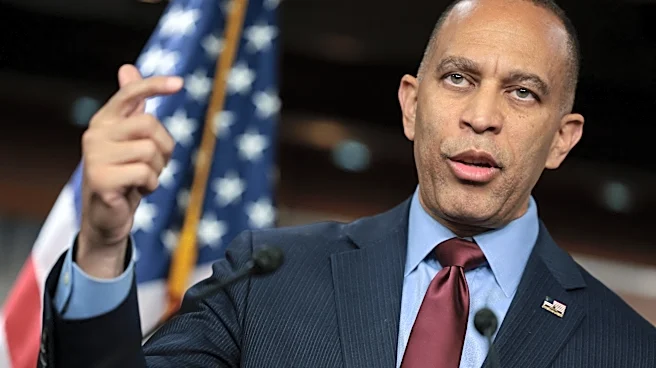
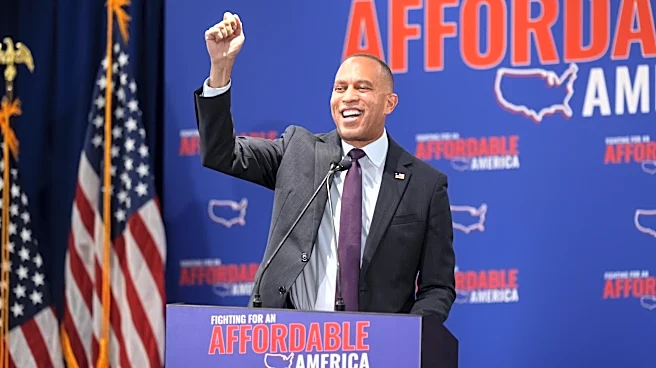
House Democratic leader Hakeem Jeffries, asked at a press conference whether he would support the bill following the amendments, said it was "still under review."
(Reporting by Nichola Groom; editing by Timothy Gardner and Aurora Ellis)