




By Ann Saphir and Howard Schneider
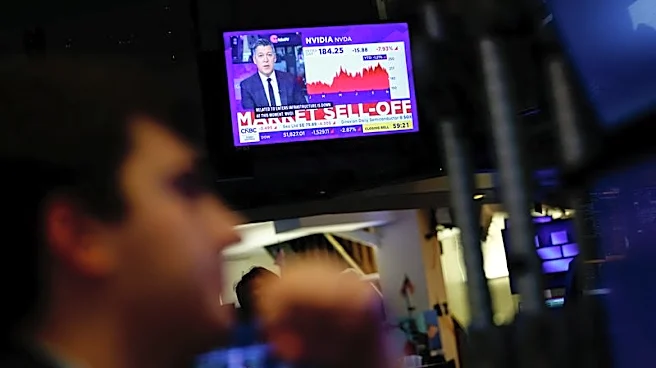
Nov 6 (Reuters) - A stronger-than-expected US jobs report bolstered the case for further Federal Reserve interest rate hikes, which had lost some momentum amid a post-election stock market selloff and growing fears that weaker AI-driven demand could undercut the economy.
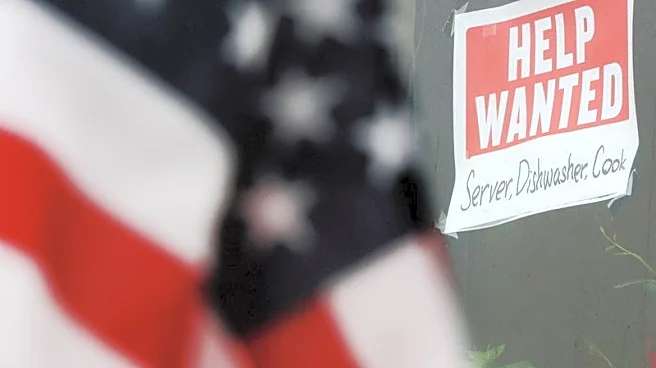
Employers added 165,000 jobs last month, more than twice what economists had expected, the Bureau of Labor Statistics said on Friday, and the unemployment rate ticked down to 4.1%. Average hourly
wages gained 3.1% from a year earlier, not enough to keep up with a 3.7% rise in consumer prices that is taking a bigger chunk of the typical paycheck's purchasing power.
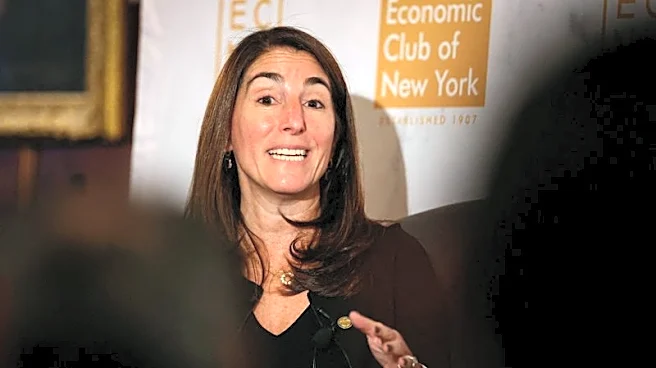
After the US central bank left its policy rate on hold last month, Fed Chairman Kevin Warsh said policymakers would be watching for "the accumulation of data" to help decide whether more monetary policy tightening would be needed. For San Francisco Fed President Mary Daly, the latest monthly jobs report appeared to put a definitive tick in the "yes" column.
"People are just at the point where they're — they say 'Inflation — I'm doing well in everything, except I can't keep up with inflation,' so that has to be our number one priority, and the fact that we have a solid labor market gives us the latitude, really, to just get that job done," Daly said in an interview on CNBC.
"My expectation is, we're going to have to tighten policy further," said Daly, who is not a voting member of the Fed's policy committee this year but typically voices views similar to the majority view.
Noting "how volatile the world seems to be in many ways," she added, "those volatilities are something that you have to take into account, collect more information, and be deliberate but more gradual in how you get there when you don't know exactly where you're going to need to head. But more is likely to be needed and certainly we're prepared — I'm prepared — to do that, if that's what the economy calls for."
In comments at a St. Louis civic event on Friday, St. Louis Fed President Alberto Musalem said inflation remained the top concern in his conversations with businesses in his district.
"Inflation is a regressive tax, a distortionary tax," said Musalem, who has advocated for further rate increases. "The best thing we can do for growth and employment is bring inflation back down on a timely basis."
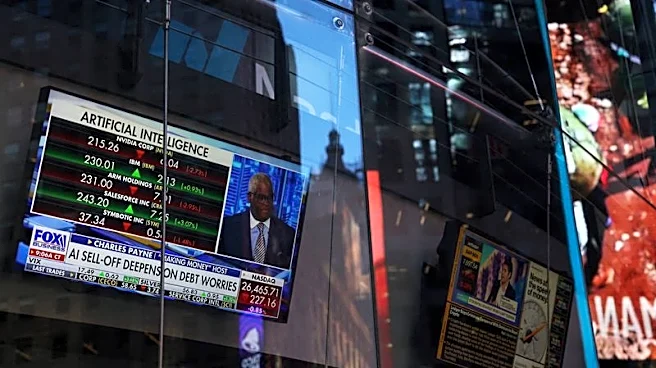
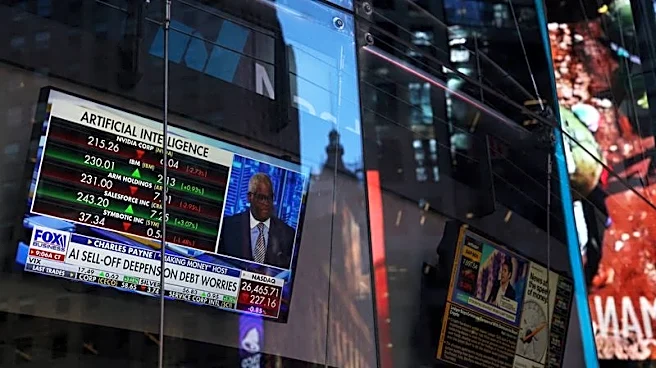
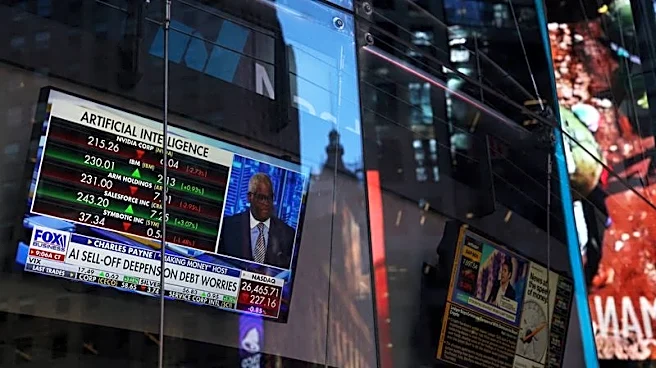
He did not address a recent swoon in stock markets driven lower by new doubts about the pace and sustainability of the artificial intelligence boom, but said for now he feels the emerging industry is feeding higher inflation through demand for commodities such as copper.
Even if that pays off in future profit and productivity, "we need to make monetary policy for the economy of the day, not what it may be five years from now," Musalem said, and on that basis, for now at least, AI investment "will continue to contribute to inflation."
AI'S IMPACT ON GROWTH, INFLATION
Daly said she feels that technology stock prices, headed for a fourth straight weekly decline despite a bounce on Friday, do not reflect any wholesale rejection of the premise that data centers and cloud computing are important.
"When you step back from the volatility, which I know is painful for people in the middle of it, but ultimately this is the kind of rebalancing you would hope for if you want an orderly outcome" while investors recalibrate expectations for the pace of AI-driven growth, she said.
The Nasdaq Composite index fell by the most in 19 months on Thursday as the extent of the political shift in the US became apparent after Democrats won control of Congress and emerged victorious in a clutch of gubernatorial races in the midterm elections on Tuesday.
Several of the victorious Democratic gubernatorial candidates ran on promises to rein in data center construction, and Democratic congressional leaders are planning a raft of new AI legislation.
The jitters over AI also prompted traders to back away from what had been big bets on a Fed rate hike next month, figuring that a slowdown in AI-related demand could cool economic growth and ease inflationary pressures, making further monetary policy tightening a less urgent matter.
The release of the latest employment report, however, put a Fed rate hike back in focus.
Markets were pricing about an 80% chance of a quarter-percentage-point policy rate increase at the Fed's December 8-9 meeting, up from about 67% on Thursday. Traders now also see the next and final rate increase coming earlier, in April instead of June, as the central bank battles inflation that has been running above its 2% target for more than five years.
"This is a very strong labor market report on the heels of solid GDP and consumer spending data last week, reinforcing the economy's positive momentum," Olu Sonola, an analyst at Fitch Ratings, wrote after the report.
Recent concern over AI poses a risk to that outlook, Sonola said, "but for now the economy remains on firm footing. The labor market's resilience keeps the Fed focused on inflation and pushes the policy debate further toward a December rate hike."
(Reporting by Ann Saphir; Editing by Chizu Nomiyama, Andrea Ricci and Paul Simao)